 When someone is thinking about buying a home, one of the key parts is the home appraisal. The appraisal ensures that the buyer is paying a fair price for the home while also protecting the mortgage lender against taking a loss.
On the other hand, an appraisal is also an added cost of the buyer can be a serious source of stress for both sellers and brokers.
Recently, government agencies have passed a rule saying that home appraisals are no longer going to be required on homes that are less than $400,000; however, many lenders will still require them.
Therefore, when should someone consider skipping a home appraisal to save some money?
Appraisals And Mortgages
One of the first ways to take a look at the value of a home appraisal is by comparing it to the mortgage. The two go hand in hand. Appraisals are important because they protect not only the seller and buyer but also the lender. The lender wants to make sure they know what the property is worth.
Therefore, an appraisal is more about valuing the property and not about the price of the home.
In addition, lenders make loans based on either the sale price or the appraised value, whichever is lower. Lenders do this to make sure that buyers have invested enough in their own property.
Borrowers And Appraisals
In addition to considering the lender, it is also important to consider the borrower. An appraisal is helpful for the borrower because this prevents someone from overpaying for a property.
Therefore, they act as a form of consumer protection. On the other hand, they also cost the borrower a few hundred dollars. If money is tight, this can be a serious problem and could dull the appeal of a home.
Choosing Between The Two Options
In the end, people should consider skipping the appraisal if it saves them money. Lenders might still require someone to obtain an evaluation as a form of protection. If the buyer is not confident in this evaluation method, then a traditional evaluation might be a better approach.
It is important for people to feel confident in the sale price, regardless of how this happens.
 There are many people who set buying a home as one of their major life goals. There is a lot that comes with owning a home including a major investment opportunity, a sense of stability, and a feeling of pride; however, homes are also expensive. It can be challenging to find a home loan.
 Buying a home is a huge step for people who are ready to make an investment in their future. Getting a great deal on a home is just as important and knowing how much to offer could be confusing. It is important to make sure the home seller is not insulted by the lowball offer and is ready to negotiate to make sure everyone wins.
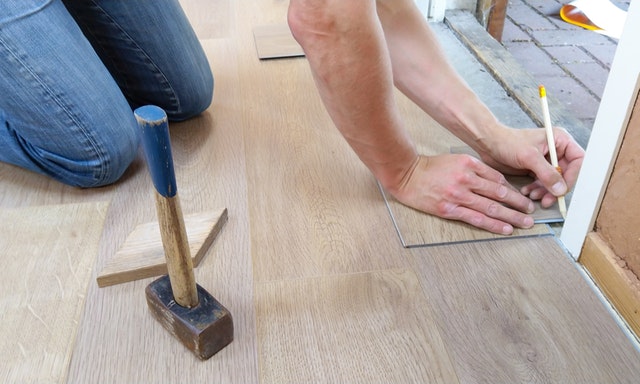 Millennials are among the most common demographic buying homes today. According to numerous reports that have been published, many homeowners are planning on conducting a home improvement project this year. In large part, this is due to millennials wanting to improve their homes.
 Last week’s economic reports included readings from the National Association of Home Builders on housing markets along with Commerce Department data on housing starts and building permits issued. Weekly reports on mortgage rates and unemployment claims were also released.
 The era of social distancing has impacted everyone and this has left people wondering how they are going to maintain control over their sanity. The positive news is that social distancing doesn’t mean that people have to stay inside at all times.
  Congratulations on moving into your new house! But hold on. Now that the house is yours, there are a few things you will want to do in order to make life in your new home more comfortable and secure. Before you plan your housewarming party, here is a list of the first things you should do after you move in.
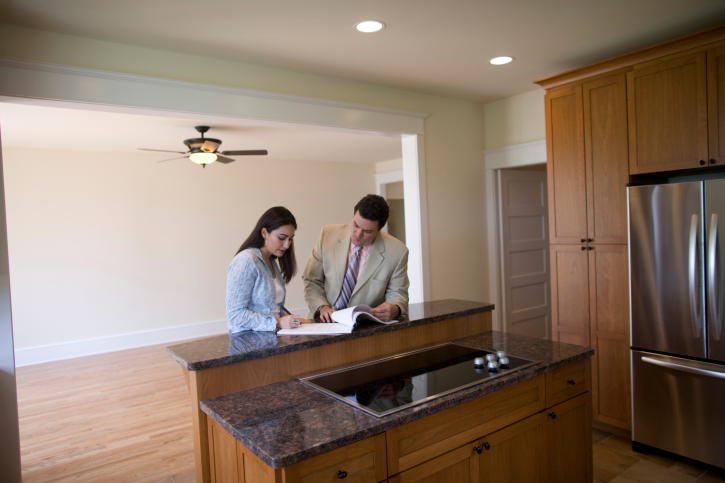 The purchase agreement is a vitally important document that outlines the provisions, terms and conditions for the transfer of property.
 Size matters when you are buying a new home. Whether you plan to expand your family, need more room for your stuff, or are concerned with resale value, you want to get the most space for your money.