 Before an owner can market a property to buyers that want to use a FHA loan, he will want to familiarize himself with the FHA’s standards. FHA won’t insure loans on just any property.
While their standards aren’t as stringent as they used to be, a home needs to be in relatively good condition to qualify for FHA financing.
Location And Lot
To qualify for FHA financing, the property has to be located on a road or easement that lets the owner freely enter and exit.
The access also has to be paved with a surface that will work all year a long dirt driveway that washes out in spring won’t qualify.
The FHA also wants the lot to be safe and free of pollution, radiation and other hazards. For that matter, it also needs to provide adequate drainage to keep water away from the house.
Property Exterior
The FHA’s requirements for making a loan start with the home’s roof. To pass muster, the house must have a watertight roof with some future life left. In addition, if the roof has three or more layers of old shingles, they must all be torn off as part of the replacement process.
The property’s exterior has to be free of chipped or damaged paint if the home has any risk of having lead paint. Its foundation should also be free of signs of exterior (and interior) damage. It also needs full exterior walls.
Property Interior
The property’s interior also needs to be inspected. FHA standards require that the home’s major systems be in good working order.
Bedrooms should have egress routes for fire safety and the attic and basement should be free of signs of water or mold damage.
The bottom line is that the FHA wants to make loans on homes that borrowers can occupy. This doesn’t mean that a home has to be in perfect condition to be sold to an FHA mortgage-using borrower. It just needs to be a place that they can live.
 With the impact we have on our environment becoming a matter of greater concern, it’s becoming more important for the average citizen to know they’re doing their part. While there are many simple tricks for saving water that will make you feel better about your environmental footprint, here are a few easy upgrades that will make that saving a little more automatic.
 A significant number of people are self-employed, which means they might be relying on this income to apply for a mortgage. It is true that people who are self-employed may face additional challenges when trying to get approved for a home loan when compared to someone with traditional W2 income, these are obstacles that can be overcome. With the right qualifications and documentation, even first-time homebuyers who are self-employed should be able to qualify for the home loan they need.
 The thrill of purchasing a new home is unparalleled; however, once you close on the sale, the dreaded unpacking process begins. You probably did not realize just how much stuff you had until you had to pack it all up. Worse yet, you need to unpack it when you get to your new home. If you don’t unpack intelligently, your new home could end up disorganized and full of clutter. With this in mind, how can you unpack without leading to a tremendous amount of clutter in your home?
 Last week’s economic reporting included readings from S&P Case Shiller Home Price Indices, the National Association of Realtors®’ report on pending home sales, and the University of Michigan’s final consumer sentiment index for September. Weekly readings on mortgage rates and jobless claims were also released.
 With the season of jack-o-lanterns and crunchy leaves under foot, there can’t help but be plenty of ways to integrate the loveliness of autumn into your home decorations. Whether you’re looking for a simple touch or a statement that will completely define a room, here are a few ideas for highlighting the best the fall has to offer.
 A lot of potential buyers have a set number of bathrooms they need in their homes. Therefore, one of the possible ways to increase the value of a home is to add more bathrooms. It is possible to add a half bath to some homes. Even a small bathroom on the first floor can make a home significantly more attractive. At the same time, adding a powder room is not necessarily the best renovation project for all homeowners. What do homeowners need to think about before adding a powder room to the home?
  There are many people who are thinking about listing their homes, but they need to make sure they get as much money for their homes as possible. This could mean making a few upgrades and repairs around the home. There are some situations where it might be possible to DIY these projects, but there are other situations where it is better to call a professional, or CAP. When should homeowners take which path? Learn more below.
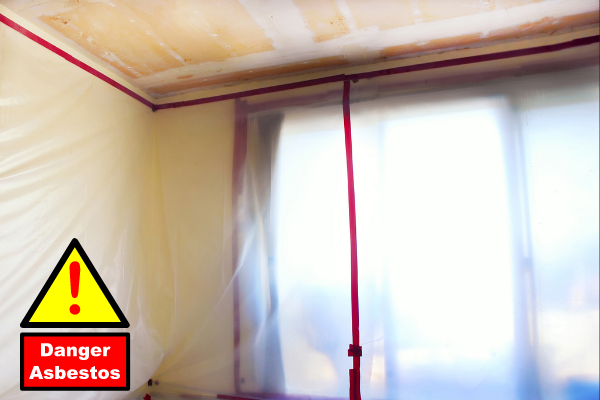 Houses across the country come in all shapes and sizes. Some of them are older than others, so they might come with aspects that are a bit outdated. Unfortunately, there are a lot of locations where older homes might still have asbestos in them. While this should be something that comes up on the inspection, buyers need to be aware of these serious issues. If the home was built before 1980, there is a major chance that the building might have asbestos in it. Fortunately, there are alternatives to this type of insulation.
 Last week’s economic news included reporting on housing markets, housing starts, and building permits issued. Data on new and existing home sales were published along with weekly reports on mortgage rates and jobless claims.