 When people end up taking out a mortgage, there is a lot they need to consider. This includes the size of the down payment, the term of the loan, and the interest rate. At the same time, there are a few issues that could complicate the way a mortgage is paid off.
Nobody enters into a marriage planning on divorce; however, if this does take place, it is critical to think about how a marriage settlement agreement is going to impact the mortgage. There are a few important to keep in mind.
Refinancing The Mortgage After The Marriage Settlement Agreement
When looking at the assets that the couple shares, it is important to think about not only assets but debt as well. One of the largest sources of debt is going to be the mortgage. Obviously, it is impossible to split the house down the middle. Therefore, it is important to think about how the mortgage itself is going to be divided.
When dividing a house following a divorce, the equity should be considered an asset and the mortgage should be considered debt. Then, when the settlement agreement is finalized, the best practice is to ask a spouse who is retaining ownership of the home to refinance the loan and just his or her name. This will eliminate the liability of the other spouse and remove his or her responsibility for paying off the mortgage. This is the fair and equitable way to divide a house following a divorce.
Include the Mortgage Among the Other Assets
It is important for everyone to think about how the mortgage is going to impact other assets as well. Some of the other factors that will have to be addressed during a divorce include alimony payments, child support, credit cards, financial accounts, and other types of property. When looking at the grand scheme of things, it is likely that the house is going to be the largest asset. Therefore, it might be helpful for couples to start with the house first and then worry about the smaller issues later. That way, this will streamline the divorce process and ensure that everyone ends up with a fair and equitable divorce settlement.
 There are a lot of people who are working from home for the first time. There are a lot of advantages that come with working from home, such as the opportunity to develop stronger relationships with family members, the chance to save money on gas, and more autonomy over the work schedule. In addition, this could also mean a new home.
 If you have been spending a lot of time at home recently, then you might be getting tired of staring at the same four walls. Fortunately, there are plenty of ways for you to switch it up by financing a home improvement project. At the same time, home improvement projects can be expensive, particularly if you are targeting the kitchen. Therefore, you might be wondering how you are going to be able to pay for them. There are plenty of ways that you can finance a home improvement project, so take a look at a few of the options below.
 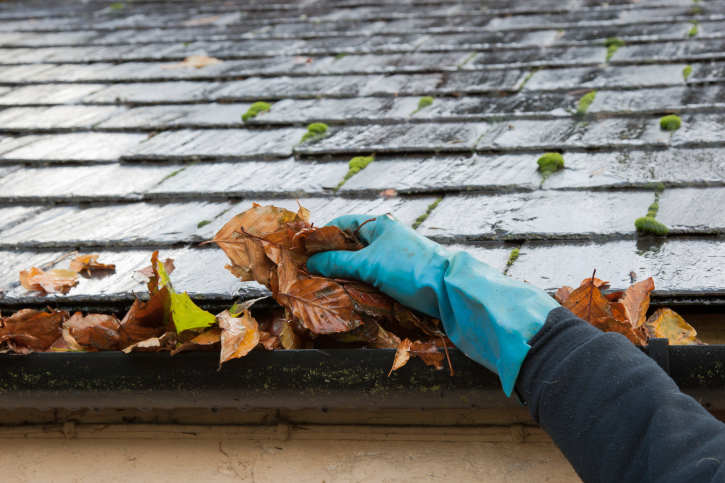 Have you prepared your home for the winter? With colder temperatures starting you’ll need to spend an hour or two getting your home ready to deal with the possibility of harsher weather and below-freezing temperatures, depending on where you live. Let’s take a look at a few quick home maintenance tips that will help you get your house ready for the cold of winter.
 Many people think that selling a home after the holidays and during the Winter season is a bad idea. Most people are not in the home buying mood, because they are thinking about the holidays.
 If you pay attention to your credit rating, you may be well aware that a single late payment reflected on your credit report can result in a decline in your scores.
 If you are thinking about purchasing your first home in the near future, then you need to be aware of the costs that you are going to take on. When you are looking at the cost of a home, it is very tempting to focus on the sticker price of the home. Even though the down payment is going to be the largest check you are going to write, this is not the only cost that you are going to pay.
 After all of the excitement of the holidays, the sparkle of the lights and the overstimulation of decorations, the rest of winter can seem lackluster. Don’t let your home add to the dreariness of the season.
 If you are thinking about selling your home, then you want to make sure that you get as much money for your home as possible. Therefore, there is a solid chance that you are thinking about all of the places that you watched your kids grow up, the numerous parties that you hosted, and the countless holidays that you celebrated. To you, those memories are priceless.