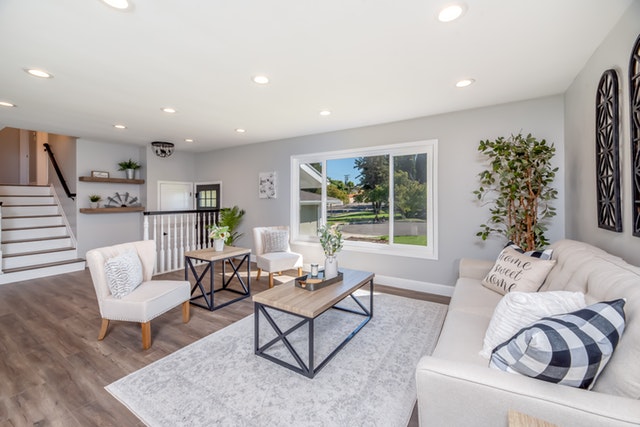
 Millennials are a huge socio-demographic group of over 83 million people. Many of them want to buy a home but face challenges that their parents did not necessarily have. Homes are more expensive. In most places, home prices rebounded to exceed the pre-2008 economic collapse values. Moreover, home prices continue to go up.
The encouraging news is that there is home financing readily available and mortgage interest rates are still reasonable. Even if it is more challenging, the greatest investment that most Americans can make is buying a home. Paying rent is only helping the landlord get rich. Homeownership is still highly desirable and a part of a wise long-term investment strategy.
Here are some tips that millennials can use to become homeowners.
Save For The Down Payment And Build An Excellent Credit History
The best rates for home loans are for those with an excellent credit history who can put down 20%. It is possible to borrow the down payment. The problem with this strategy is that the cost of the loan is higher. The mortgage rate may be higher and the lender may require private mortgage insurance (PMI). PMI pays off the loan balance to the lender if the homeowner defaults on the loan; however, it does not protect the homeowner’s equity in the home or any down payment. PMI just adds another monthly expense.
Create Non-Location Dependent Income
Home prices are somewhat dependent on the local economy and the employment available in the local area. By creating non-location dependent income through the “gig” economy. Work as a freelancer or a person who telecommutes by working from home. With this income, you will be freer to look for a home in a rural area or an area where the home prices are lower.
Take Advantage Of First-Time Homebuyer Programs
Many first-time homebuyer programs are offered by programs of the federal government through the Housing and Urban Development (HUD) and other agencies. Be sure to investigate those possibilities when considering buying a home.
Hunt For A Home In Low-Cost Areas
Use the online systems when searching for a home to compare two things, 1) the median price of homes for each area and 2) the cost of living for each area. The areas with low median prices and that have a lower cost of living are usually easier places to buy a home.
Partner With Others
A home-buying partnership is something many are using to make owning a home more affordable. Multigenerational ownership is used by many families to buy a large home together and share it. Other partnerships can be made among individuals, who are not relatives, to share ownership. Choose ownership partners very carefully and be sure to have competent legal counsel when creating a written ownership agreement.
Summary
Millennials are challenged with new obstacles when seeking to buy a home. The strongest challenge is the cost of homeownership. However, there are many clever ways to improve the chances of enjoying an affordable ownership situation. Be patient and do not give up. Work with a REALTOR® who understands the challenges and is an expert in the area where you are thinking about buying.
 Last week’s economic reports included readings from Case-Schiller Home Price Indices and National Association of Realtors® data on pending home sales. The Conference Board of the U.S. Senate also released its Consumer Confidence Index. Weekly readings on mortgage rates and first-time jobless claims were also released.
 Commuting for hours in traffic on a daily basis is a waste of resources, time, and money. It is stressful and bad for the environment. The infrastructure in many parts of the United States is falling apart. The roads and highways do not have sufficient capacity to handle the demands of the traffic load that continues to increase each year. Many busy professionals and families are turning to a solution of owning two homes for the convenience of enjoying dual-location living.
 One of the dreams that many people have is to eventually retire. People work their entire lives and save diligently to be able to enjoy those golden years. When the time finally comes, people need to think about the community that is right for them. With this goal in mind, there are a few common questions that everyone should ask to find their ideal retirement community.
 Last week’s economic reports were limited due to the Christmas holiday. New home sales data was released along with a weekly reading on mortgage rates.
 Sellers of homes often make mistakes that are not in their best interests. Here are common mistakes people make when selling a home and how to avoid them.
 Owning property comes with a number of major responsibilities. This includes home maintenance and repairs. One of the common topics that people think about is the garage door. Sometimes, the garage door breaks and needs to be replaced. Other people might be adding a garage door for the first time. There are lots of options to choose from and this is an important decision.
 For those who are interested in learning more about real estate, property management companies are an important topic of discussion. Some people might not ever consider hiring a property management company.
 Last week’s economic reports included readings from the National Association of Home Builders on housing markets; the National Association of Realtors® released data on sales of previously-owned homes and the Commerce Department released readings on housing starts and building permits issued. Weekly reports on mortgage rates and new jobless claims were also released.
 When someone is interested in buying a home, there are a number of factors that people need to consider. Some of these include the budget, the size of the home, and the mortgage interest rates.