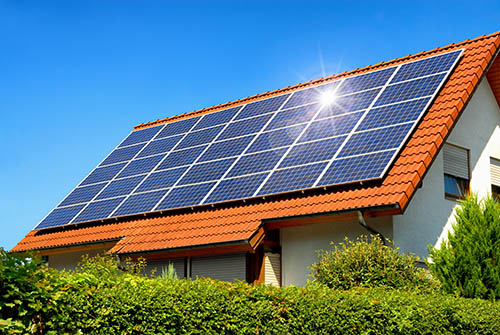
 Solar-powered homes are becoming more commonplace, and are an excellent step in the right ecological direction. That said, there are some aspects to consider if you’re thinking about investing in solar energy. Read on for some salient points about living by the sun.
The Sun And The Economy
As solar power has grown in popularity, the government has introduced incentives to help homeowners combat the once-high costs of purchasing and installing solar panels. And companies are springing up to rent you panels and cover the cost of installation. This means that your initial costs are smaller, but also that those third party companies reap the government incentives and may not always maintain strong relationships between you and your utility company.
The Sun And Your Roof
Roofs are the primary locations for solar panels, particularly on homes. Ensure that your roof has enough strength for the added weight of the equipment, and enough space for the proper placement (away from the edges, for example). The equipment comes with a lifetime guarantee so if the roof it’s on is already old, consider updating it before installation (which is an extra but necessary cost).
The Sun And Your Surroundings
A solar-powered home is all about location, location, location. Watch for tall and shady trees, or for high buildings that will shadow your panels and decrease or prevent their output. Look forward, too are there any plans for development in your neighborhood that would introduce such impediments in the future?
The Sun And Cloudy Days
The most obvious hiccup with solar power is that bane of a sunny existence: cloudy days. Location has influence here too: the climate of your area will determine how many panels you’ll need, where you’ll need to place them and how much energy you’ll be able to glean in each season. There are batteries you can purchase for collecting and storing solar energy but they’re still an expensive option. And solar power is still somewhat unattractive in the global economy because of how variable it is. Fossil fuels are more dependable, and therefore more marketable, than an energy source so tied to the weather although that looks to change if solar energy continues its rise in popularity with the masses.
All things considered, there is a deep and growing draw to solar-powered homes, but don’t enter into anything without looking at all sides of the equation. If you have questions, or want to know more about how solar energy works in your neighborhood, contact your local real estate agent.
 Other than a release on construction spending, last week’s economic readings were dominated by labor and employment data including ADP Payrolls, Non-Farm Payrolls and National Unemployment. Weekly reports on mortgage rates and new jobless claims were also released.
 Buying a home is an ideal investment for many people because not only is it a place that belongs to them, it can also be very beneficial financially. While you may be strongly considering buying a home for these reasons, it’s also important to be in good financial health so that your ideal home purchase is within reach. If you’re currently perusing the market for prospects, here are some reasons you should pay down debt before taking the leap into home ownership.
 Most sellers focus on finding the right furniture to stage their home, but they never consider how the placement of that furniture can undo all their hard work. It’s a subconscious thing, but the arrangement of items in the home can really make a difference with buyers.
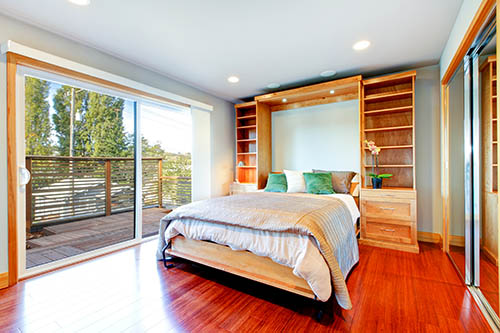 The floor of your bedroom is important it’s the first thing you touch in the morning, and the last before you go to sleep. Not to mention all the other life moments that go on in there. So take time to consider what you want your bedroom floor to be made of and read on for pros and cons of carpeting and hardwood floors.
 Last week’s economic releases included reports on new and pending home sales, S&P Case-Shiller Home Price Indices and regularly scheduled weekly reporting on mortgage rates and weekly jobless claims. Readings on consumer sentiment and confidence were also released.
 Selling a home is a difficult enough task as it is, but the longer a home stays on the market the easier it is to fall into the trap of sounding like a used car salesperson and accidentally pushing people away.
 With approximately one million people having purchased vacation homes in the last year, this type of residence is gaining popularity for those who are interested in a home in a beach setting or a vacation hot spot. However, while a second home can seem like a great purchase and solid investment opportunity, there are different requirements that go into this type of purchase. If you’re considering a vacation home, you may want to be aware of the following financial factors.
 If you’re just jumping into the game of home purchasing, you are likely considering all of your loan options and may even have heard the term mortgage rate lock. For those who don’t like to gamble, a mortgage rate lock can offer a bit of reassurance, but there are also some downsides to this type of protection. Before signing off on this, here are the details on rate locks so you can make an informed decision.