 Mold—it’s a word that can send shivers down the spine of any prospective homeowner. But what happens when an inspector discovers mold in your dream home? Does it mean the deal is off, or are there steps you can take to remedy the situation without walking away? Here’s a guide to help you navigate this common yet serious issue.
What Does Mold Mean for Your Home Purchase?
First, it’s important to understand that mold is a common occurrence in homes. Whether it’s in the shower, under the kitchen sink, or in an attic, many houses have some level of mold. The key is determining the extent of the problem and whether it poses a significant risk to your health or the home’s structure.
When an inspector finds mold, don’t panic. Instead, focus on understanding the situation. Ask the inspector about the severity of the mold, where it’s located, and what might be causing it. Often, mold is the result of a leak, high humidity, or poor ventilation. Identifying the root cause is crucial for effective remediation.
Next Steps: Testing and Remediation
Once you know there’s mold, your next step is to hire a professional mold tester. This specialist will determine the type of mold, the extent of its spread, and recommend appropriate actions. It’s wise to get multiple estimates and thoroughly research the testing and removal businesses. Stick with licensed, independent testers who aren’t affiliated with removal companies to avoid any conflicts of interest.
Mold removal can be tricky, and unfortunately, the industry is prone to fraudulent practices. Be wary of inflated charges and ensure that any company you hire is reputable. Keep in mind, though, that legitimate costs can rise if the mold is more widespread than initially thought. It’s not uncommon for mold to be hidden in areas that aren’t immediately visible.
DIY vs. Professional Help
In some cases, mold removal can be a DIY project, especially if the mold is localized and not too severe. There are plenty of online resources and even weekend workshops at home improvement stores that can guide you through the process. However, if the mold issue is extensive, it’s better to call in professionals. Proper mold removal is more hazardous and involved than many people realize, especially if it requires dealing with hidden or hard-to-reach areas.
The Cost Factor: Are You Covered?
Mold removal can be costly, sometimes running into the tens of thousands of dollars, especially if it involves gutting parts of the home. Before proceeding, contact your insurer to see if the mold removal and any related repairs are covered under your homeowner’s policy. Coverage often depends on the type of mold and the cause of the problem, so it’s essential to get this clarified upfront.
Moving Forward: Preventing Future Mold
If you decide to proceed with the purchase, it’s crucial to take steps to prevent mold from returning. Regular maintenance, such as caulking around sinks and showers, cleaning gutters, sealing windows, and fixing any leaks, will go a long way in keeping your home mold-free.
Don’t Let Mold Ruin Your Dream
Finding mold in a home you want to buy doesn’t have to be a dealbreaker. With the right approach, including professional help and preventive measures, you can address the issue and move forward with confidence in your purchase
 Taxes & Homeownership
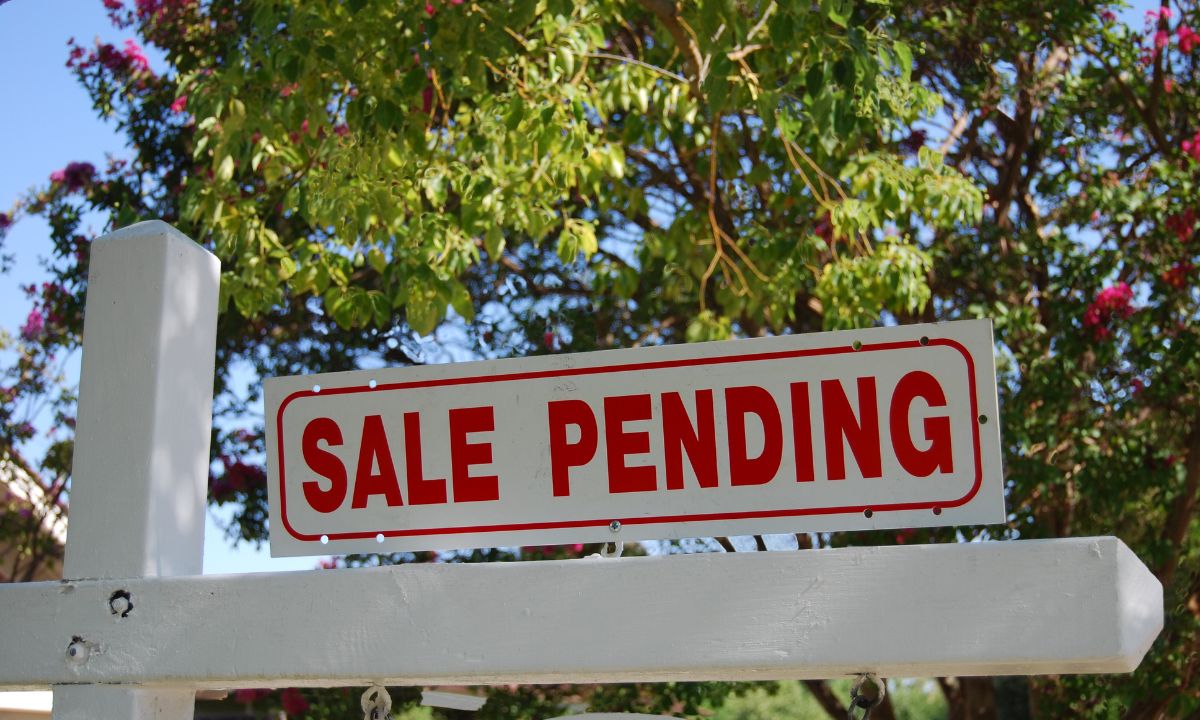 Congratulations! You’ve found your dream home! The only problem? Someone else found it first, and now the property is marked as “sale pending.” Does this mean you’ve missed your chance, or can you still make an offer? Let’s discuss what “sale pending” means and explore the options that might still be available to you.
 Knowing the difference between a hard inquiry vs soft inquiry can help you maintain a good credit score. Here’s what you need to know.
 Homeowners and buyers are always looking for ways to finance their home improvement projects. Renovation loans offer a fantastic solution, enabling you to upgrade and personalize your home while incorporating the cost into your mortgage. We will explore the different renovation loan options available, such as FHA 203(k) and Fannie Mae HomeStyle, to see how they can help you achieve your dream home.
 Embarking on the journey to homeownership is an exciting milestone, but it also requires careful financial planning. One crucial aspect is managing your debt effectively. I want to ensure you have the tools and knowledge to navigate this process smoothly. Let’s discuss some essential strategies for managing your debt while purchasing a home.
 Have you ever heard of house hacking? It’s a real estate strategy that allows you to live in a property while renting out part of it to generate income. This approach helps offset your living expenses and can even pave the way to financial independence. Here’s a breakdown of what house hacking entails, along with its benefits and drawbacks.
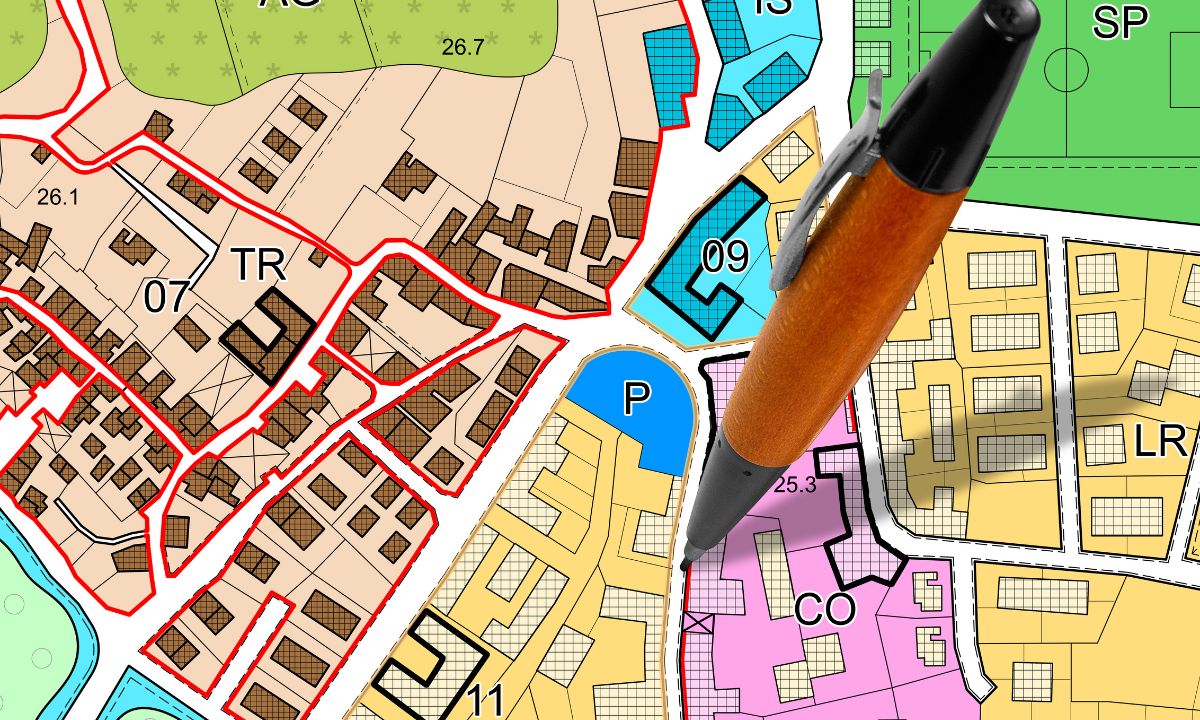 Purchasing a home is an exciting milestone, but it’s important to be aware of the various factors that can influence your decision. One often overlooked yet crucial aspect is understanding zoning laws and regulations. These rules can significantly impact your property rights and the future use of your home. We will discuss what zoning laws are, why they matter, and how they can affect your homebuying experience.