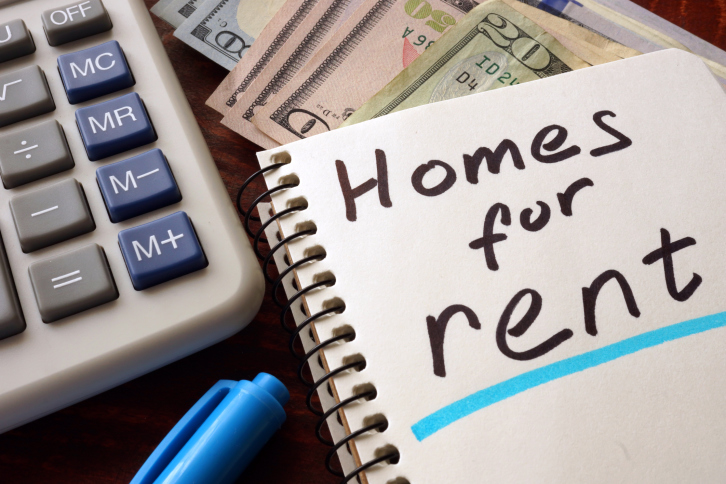
 If you’re at the stage in life where home ownership is nearly within your reach, you’re probably wondering whether you should start looking for a home or whether you should just keep renting. Renting is easier, people say, and it gives you more mobility. But over the long term, all that rent money can really add up – and it eventually reaches a point where buying a home is a better deal.
So why is paying a high rent a worse option than buying a house and getting a mortgage? Here’s what you need to know.
Renting Doesn’t Generate Equity
One of the single biggest sources of wealth in the United States is home equity – as you pay down your mortgage, you invest more and more of your money into your property, and it appreciates in value. When you eventually sell that home, you make a profit. The monthly payment is something you’d have to make anyway, whether you rent or own – but when you rent, your monthly rent money lines someone else’s pockets, while when you own, paying down your mortgage actually creates wealth for you.
Renting Doesn’t Give You Access To Homeowner Tax Credits And Deductions
There are all sorts of tax benefits available to homeowners that renters simply can’t access. As a homeowner, you can deduct your mortgage interest from your taxes owing, reducing your taxable income – but there’s no such deduction for renters. You can also deduct property taxes and some closing costs when you buy a home – there are no corresponding tax benefits for renters.
There are also several tax credits available to homeowners that aren’t available to renters. Things like renovations or simply buying a home for the first time can give you tax benefits that renters can’t access.
If You Can Muster Up A Down Payment, Owning Is Cheaper In The Long Run
One of the biggest hurdles keeping young people out of the real estate market is the down payment. It’s not easy, but if you can save up enough money for a down payment, you’re actually better off buying a home than continuing to rent.
According to Trulia, the median home price in metro Houston in Texas is just under $163,000, while the median monthly rent for an apartment is $1,550. That means renting would cost $18,600 per year, while buying a home (assuming a 20% down payment and 30-year term) would cost $9,384 per year in mortgage payments. In other words, owning is about half as expensive as renting in the long run.
Renting may be a good short-term solution, but over the long haul, owning is almost always better. Call a local mortgage professional to learn more.
 The housing market continues to be very competitive, so you may have to be a bit more flexible with what you are looking for. For example, you may come across a home that is not quite perfect, but it has a lot of the features that you need. In that case, you may be wondering how you can finance a home renovation. One of the best ways to do so is using the FHA Streamline 203(k) program.
 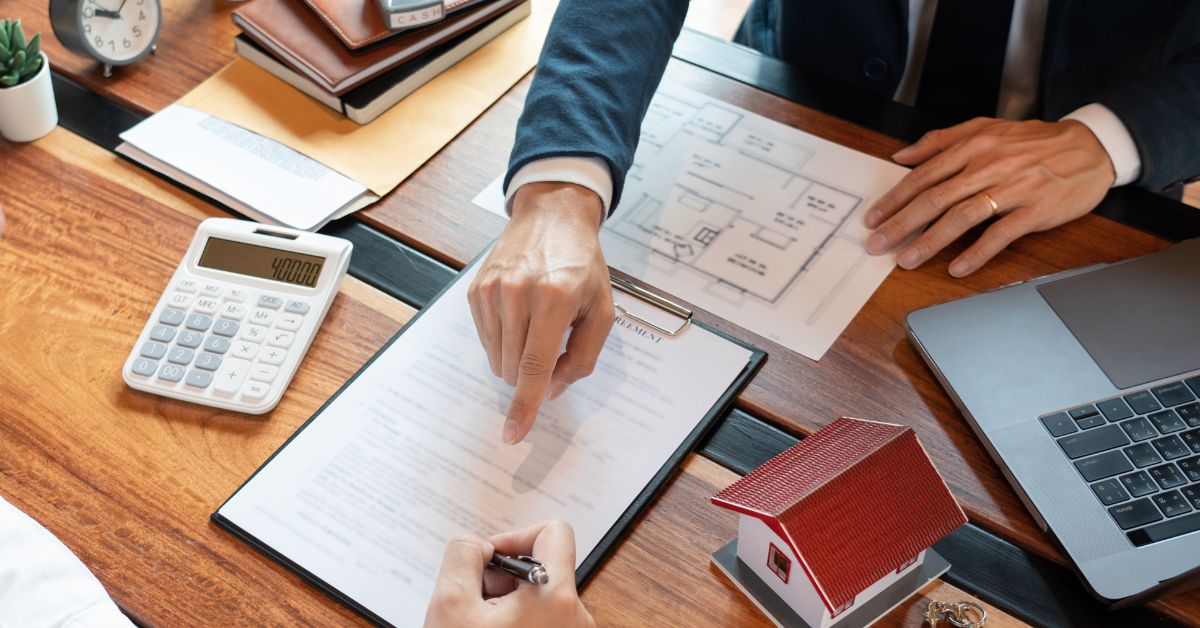 Are you interested in purchasing a house? If so, you probably know that the market is more competitive today than it has ever been in the past. There are a lot of people who are interested in purchasing a home, and you need to take a few extra steps if you want to make your offer as competitive as possible. What do you need to do if you want to maximize the chances of having your offer accepted?
 Last week’s economic scheduled economic news included readings on sales of previously-owned homes, housing starts, and building permits issued. Readings on the Consumer Price Index, which tracks inflation, were also released along with weekly readings on mortgage rates and jobless claims.
 December’s National Association of Home Builders Housing Market Index reported slipping builder confidence in U.S. housing markets. The Housing Market Index readings fell every month in 2022. Recently rising mortgage rates, materials costs, and inclement winter weather contributed to builder skepticism about current housing market conditions.
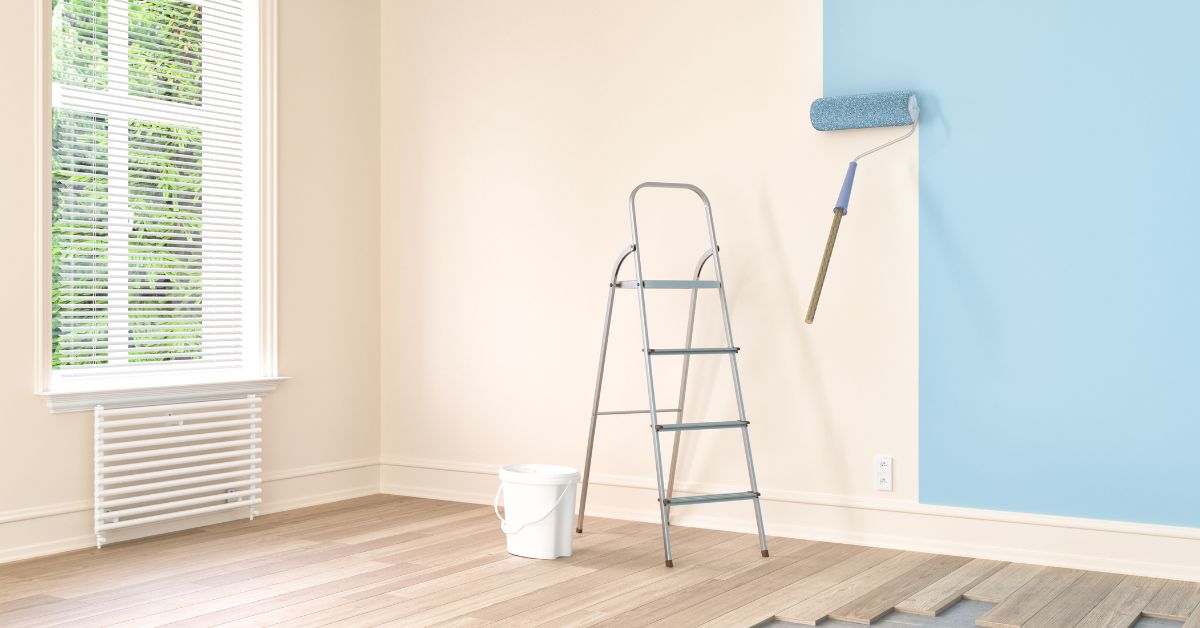 If you are interested in selling your house, you need to make sure you get as much money for it as possible. There is never a second chance to make a first impression, and every detail matters when you want to get an offer on the table. That means you need to pay attention to the color of your paint as well. Even though this might sound like a relatively minor detail, the color of your paint does matter. What do you need to know about paint color and its impact on your home’s value?
 Last week’s economic reporting included readings on inflation, retail sales, and the Federal Reserve’s Federal Open Market Committee meeting. Fed Chair Jerome Powell held his scheduled post-meeting press conference and weekly readings on mortgage rates and jobless claims were also released.
 Did you recently receive your annual notice that the rent is going up? If so, you’re not alone. Millions of renters are seeing more and more of their income drained away due to higher rents. To make matters worse, every dollar in rent is one that you are not saving, investing or using to build your net worth. If you’re feeling the pinch of higher rents, it might be time to buy your first starter home.
 If you are tired of deploying sprinklers and standing over your yard with a hose, you might be interested in some irrigation options. There are plenty of choices available, and you need to think about all of your options before you decide which one is best for your needs. What are a few examples to consider?
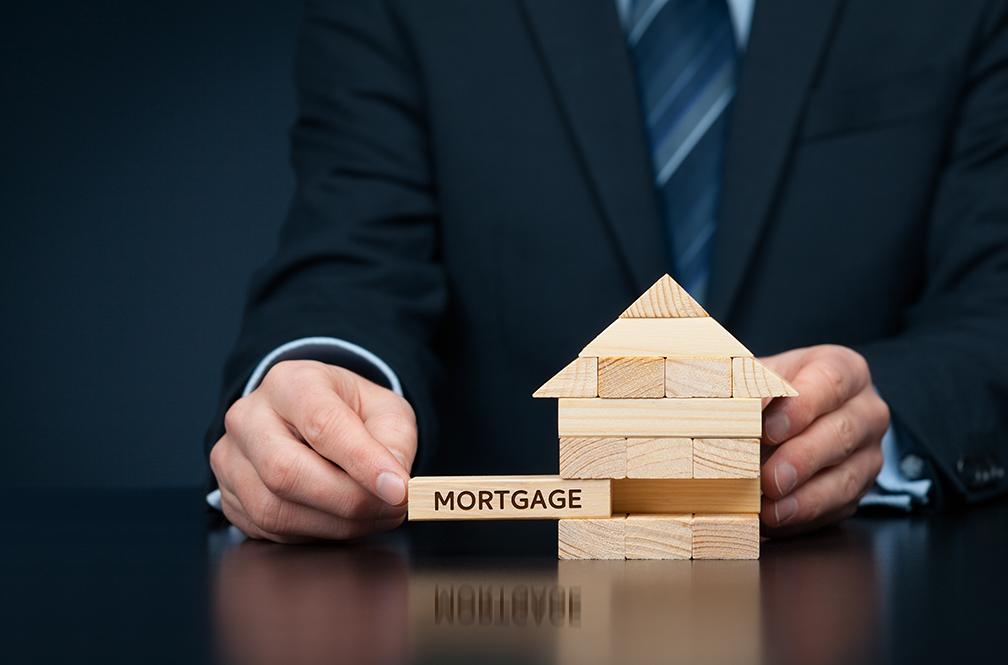 Ask any friend or family member that owns a home and they will share that it takes a bit of management to keep all the expenses under control. Let’s explore the concept of PITI and why it is vital to have a clear picture of how much your home is costing you each month.