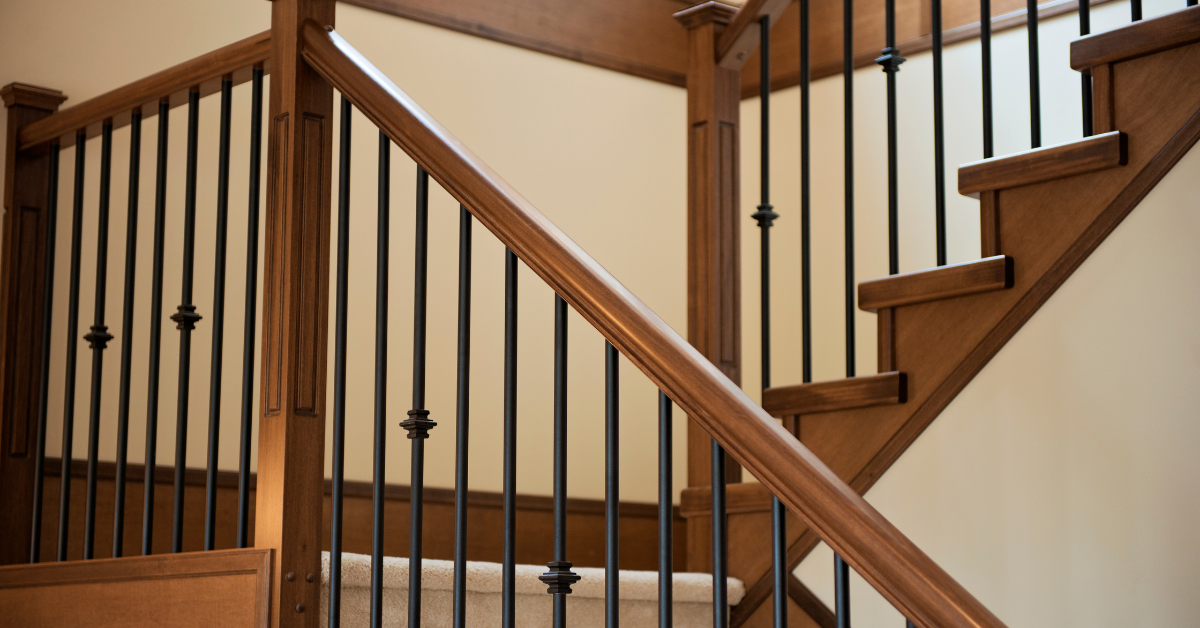
 You might want to make some upgrades to your house, but they could be a bit expensive. If you make upgrades to your house that qualify as medical expenses, you may be able to deduct them from your taxes. Before you do so, you should always reach out to a qualified accountant who can review your work to make sure you are allowed to claim that deduction. What are a few examples of home upgrades that might be tax deductible?
Upgrades That Address Joint Pain
If you have severe joint pain, you may have a difficult time navigating your house. You may need to make some upgrades to your house that make it easier for you to get around. For example, you might be thinking about installing a wheelchair ramp. Or, you might need to make some changes to your stairs and your railings. There is even a chance that you may consider installing a pool in your house that can help you stay healthy. Remember to get a letter from your doctor stating that these upgrades can help you treat your arthritis.
Upgrades That Address Chronic Lung Conditions
If you have a chronic lung condition, you may need to make changes to your home’s HVAC and air filtration systems to address your symptoms. If you or your children continue to have asthma, allergies, or COPD exacerbations, you should talk to your physician about changes you can make to your HVAC system to reduce contaminants in your area. It can be expensive to make upgrades to your home’s HVAC and air filtration systems, but you may be able to deduct them from your taxes if you can prove they are required to address your symptoms.
You May Need To Get An Appraisal
These home upgrades could increase the value of your house, so you may need to talk to your real estate agent to get an appraisal before you claim a deduction. Then, don’t forget to combine this paperwork with a letter from your doctor stating that these upgrades can help you address medical conditions. Finally, you should always talk to an accountant about how you can properly claim these upgrades as deductions on your taxes.
 Last week’s scheduled economic reports included preliminary monthly readings on inflation and consumer sentiment along with weekly reporting on mortgage rates and jobless claims.
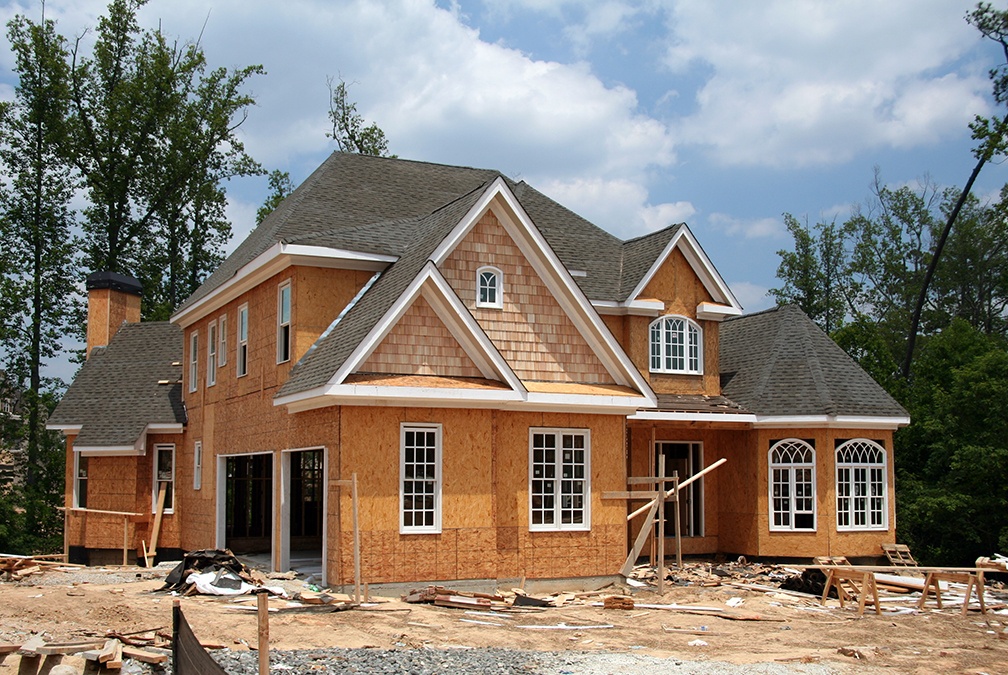 If you have been in the process of looking for a home for a long time, you understand just how difficult it has been. You may have considered building your own house, but after seeing the bidding wars for land before you even start building, you may have crossed newly built homes off your list. Now, there are a few reasons why you should consider adding new homes back to your search.
 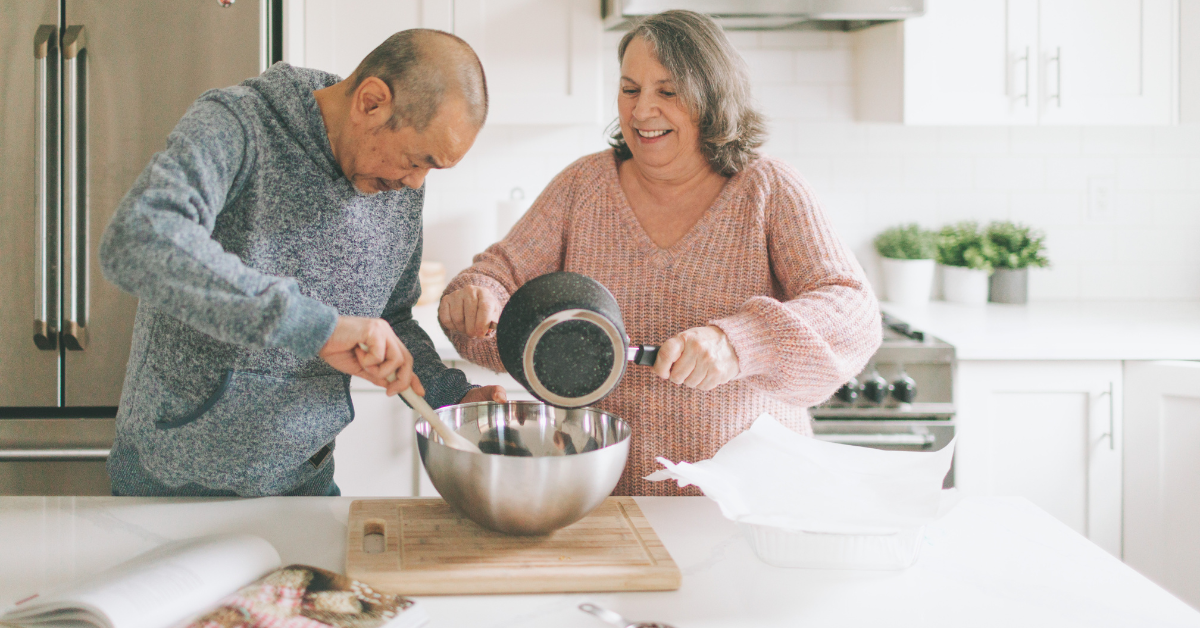 There are many people who would rather age in the comfort of their own homes than in a large nursing home somewhere. As people get older, they are more susceptible to slips, trips, and falls. Their joints do not work as well as they used to, they might have a difficult time balancing, and their eyesight may start to fade. If you want to age comfortably in your home, there are a few upgrades you should consider making to your house.
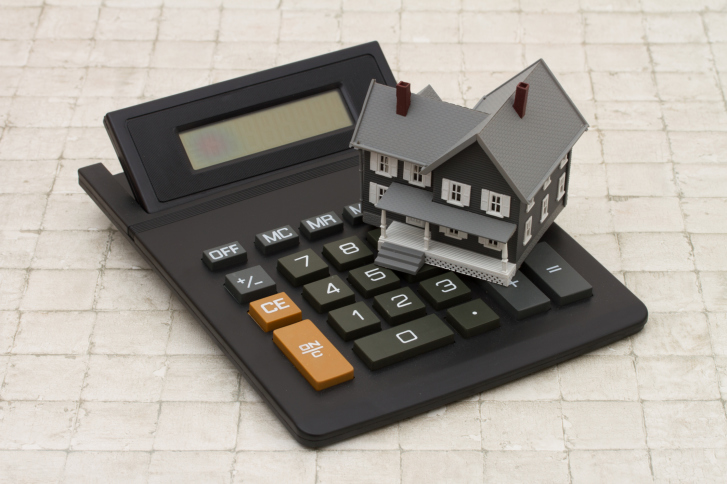 If you are interested in purchasing a home, how much money should you put down? This is a difficult question that all potential homeowners need to answer, as it will dictate the size and location of the house you can afford. There are a number of factors to consider, so what do you need to know?
 Last week’s economic news included readings on home prices, inflation, and data on public and private-sector jobs. Weekly readings on mortgage rates and jobless claims were also released.
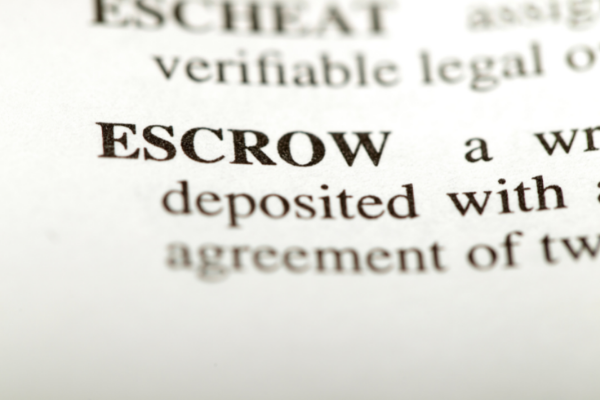 There are many complicated terms thrown around regarding your mortgage, and one of them is an escrow account. You will probably hear that your lender will collect some additional money every month for escrow payments. If you take a look at your mortgage statement, you will see your interest, your principal, and your escrow. What does this mean, and why do you have to pay additional money that isn’t going toward the balance of your loan?
 There are many people who dream of owning a home, but you need to purchase your home for the right reasons. Simply purchasing a house because other people are doing so is not a strong reason to make such an expensive purchase. What are some of the reasons why you should purchase a house? What are some examples of bad reasons to buy a home?
 What do you need to do if you want to improve the safety and functionality of your home? You may not think that your home has a lot of safety hazards, but you might be surprised at how many people get hurt at home every year. Particularly if you have older people in your home, or if you have people in your house with disabilities, you need to pay close attention to your safety and functionality. What are a few tips you should keep in mind?
 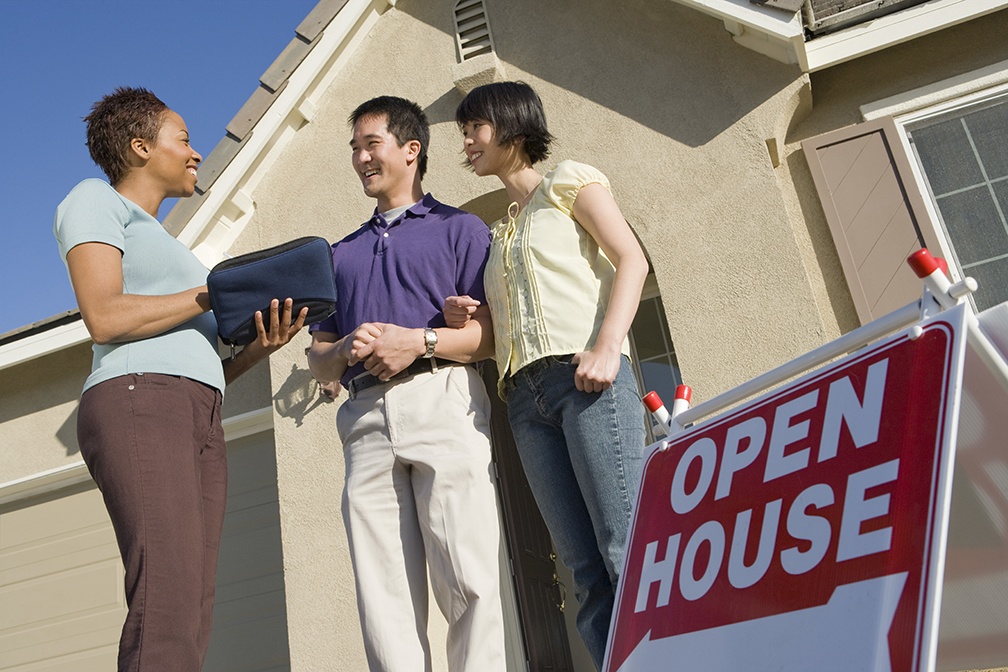 Are you thinking of listing your home for sale? Whether this is your first sale or you have been through the process a few times, you are probably aware that you will need to host at least one open house. Welcoming strangers in to tour your home can range from delightful to irritating, but it is all part of the selling process. So, should you stick around or disappear when potential buyers are viewing your home? Let’s explore your options.