
Last week’s economic reporting included readings on new home sales and consumer sentiment. Weekly readings on mortgage rates and jobless claims were also published. No economic data was published Thursday or Friday due to the Thanksgiving holiday.
New Home Sales Surpass Expectations in October
The Commerce Department reported higher-than-expected sales of new homes during October. New homes sold at a seasonally-adjusted annual pace of 632,000 homes sold. Analysts expected new homes to sell at an annual pace of 570,000 sales as compared to the revised annual pace of 588,000 new home sales in September. The supply of available new homes rose by 1.50 percent between September and October and approached a nine-month supply of new homes for sale. Rising mortgage rates affected affordability for first-time and moderate-income home buyers, but average mortgage rates fell last week.
Mortgage Rates Fall, Jobless Claims Rise
Freddie Mac reported lower average mortgage rates last week as the average rate for 30-year fixed-rate mortgages fell by three basis points to 6.58 percent and the average rate for 15-year fixed-rate mortgages fell by eight basis points to 5.90 percent. Homebuilders reported rising costs and slowing home sales; some builders added or increased buyer incentives including mortgage rate buydowns and paying buyers’ closing costs.
Last week’s first-time jobless claims were higher than expected with 240,000 new claims filed as compared to the expected reading of 225,000 initial claims filed and the previous week’s reading of 223,000 new jobless claims filed.
Consumer sentiment fell to an index reading of 56.8 in November according to the University of Michigan’s consumer sentiment survey. November’s reading reflected consumer concerns about inflation and a potential recession and was markedly lower than October’s index reading of 59.9 and the October 2021 reading of 73.6. Consumer sentiment about economic conditions in the next six months was also lower at an index reading of 55.6. Readings over 50 indicate that most consumers have a positive view of economic conditions.
What’s Ahead
This week’s scheduled economic news includes readings on home prices, pending home sales, and inflation. Weekly readings on mortgage rates and jobless claims will also be released.
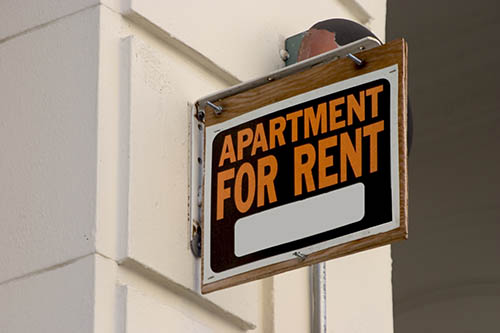 Trusting another individual with your property can be nerve-wracking because it’s difficult to gauge how well they’ll care for their home from a viewing and rental application alone. However, there are several steps you can take to help ensure that you select responsible tenants that will take good care for your property while they live there.
 There are a lot of pests that may try to make their way into your home, and they can cause significant health and safety issues in addition to detracting from your property values. It can be very difficult to remove infestations once they have infiltrated your home, so it is always better to prevent them from happening. What are a few tips you should keep in mind?
  Last week’s economic reporting included readings on U.S housing markets, housing starts, and building permits issued. Data on sales of previously-owned homes were released along with weekly reports on mortgage rates and jobless claims.
 Are you starting to tire of paying your monthly rent to someone and never building any equity? Renting forever can be a significant pain, especially as you’re contributing to someone else’s financial well-being. The good news is that there are affordable real estate options out there for those investing in their first home. Below we will share a few excellent reasons why an apartment or condo might be the best choice for a first-time home buyer.
 The National Association of Home Builders’ Housing Market Index for November showed builders’ growing concerns over U.S. housing market conditions. November’s index reading dropped five points to 33 as compared to October’s reading of 38 and the November 2021 reading of 83. November’s home builder index reading was the lowest reading since June 2012 except during the pandemic. Readings over 50 indicate that most home builders were positive about housing market conditions.
 As you get closer to your retirement age, you should try to discharge as much of your debt as possible. Unfortunately, many people close to the age of retirement still have a significant mortgage balance they need to pay off. What are some of the top reasons why you should pay off your mortgage before you retire?
 You have worked hard for your money, and you probably want to save as much of it as you possibly can. That means you need to find the best possible mortgage deal you can. What are a few steps you should take if you want to get the best loan terms possible?
 Last week’s scheduled economic news included readings on monthly and year-over-year inflation and the University of Michigan’s preliminary reading on consumer sentiment. Weekly readings on mortgage rates and jobless claims were also released.
 U.S. military veterans have opportunities to enjoy some richly-deserved benefits in other aspects of their lives, including some special options for financing their homes. VA loans may give active military personnel, retired veterans, and sometimes surviving family members of veterans the ability to purchase homes that might not prove available to them through more conventional mortgage loans.