 If you have been in your home for a while, you might be able to refinance. If your credit score has increased, your income has gone up, or the average home loan interest rate has gone down, you might be able to conduct a cash-out refinance. During this process, you can keep your mortgage payments the same, secure a lower interest rate, and withdraw the difference as cash. What can you do with this extra cash?
You Can Make Improvements To Your Home
One of the most popular ways people use a cash-out refinance is to increase the value of their homes. For example, you may want to use the money from a refinance to upgrade the kitchen. Or, you might want to use a cash-out refinance to add an addition to your home. You can also use the proceeds from a refinance to handle expensive home repairs. If you want to increase the value of your home, you can tap into the equity in your home through a cash-out refinance.
You Can Pay Off Student Loans
Another popular way to use a cash-out refinance is to pay off existing debt. For example, you can use the cash from this refinance to pay off a car loan, credit card debt, or student loans. Some people have hundreds of thousands of dollars in student loans, and it can take decades to pay them off. If your mortgage has a lower interest rate than your student loans, you may want to use a cash-out refinance to pay off your student loans.
You Can Pay Expensive Medical Bills
Finally, you can also use a cash-out refinance to cover emergency expenses. If you have expensive medical bills, you might want to use a cash-out refinance to cover these costs. A cash-out refinance can help you in a pinch.
Consider A Cash-Out Refinance For Your Home
These are just a few of the many ways you might be able to use a cash-out refinance to help you. If you are interested in refinancing your home loan, you should work with a professional who can point you in the right direction. You can secure the best terms possible, withdraw the maximum amount of cash, and ensure you still pay off your mortgage on time.
 Last week’s economic reporting included readings on housing markets, building permits issued, housing starts, and sales of previously-owned homes. The Federal Reserve released its scheduled monetary policy statement and gave a press conference with Fed Chair Jerome Powell. Weekly readings on mortgage rates and jobless claims were also published.
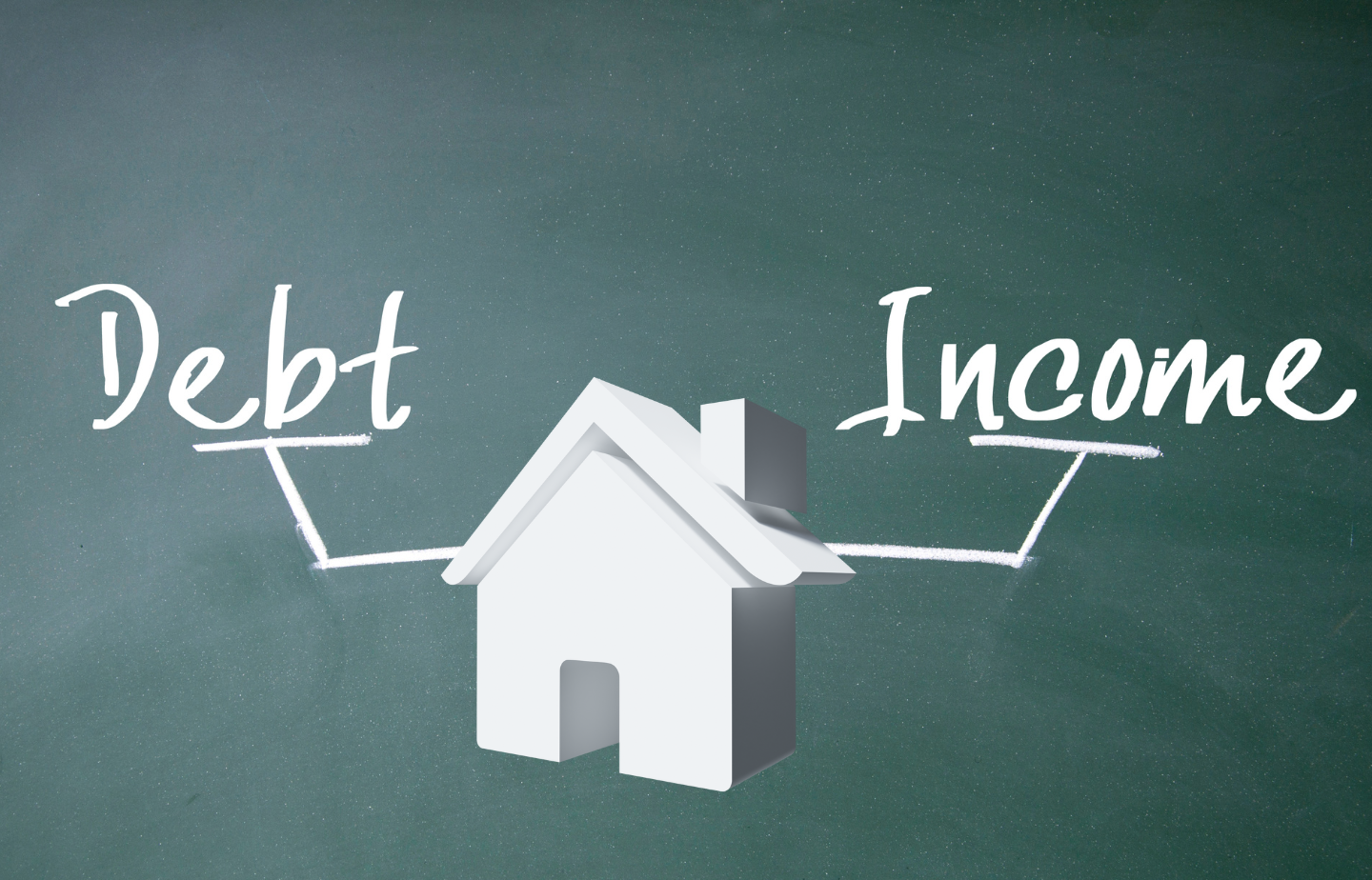 When you apply for a mortgage, your lender will do some quick math to figure out how much of a loan you can afford. Your lender will consider many factors, and one of the most important ones is your debt-to-income ratio. It is usually shortened to DTI, and understanding this formula can help you better understand how big of a house you can afford.
  Are you listing your home for sale? If so, it is time to get ready to meet with buyers and their real estate agents. And while you surely want to sell your home as quickly as possible, you will also want to do your homework to make sure you’re selling to the right person. Let’s explore the process of buyer qualification and why it’s important to do a little digging into potential buyers of your home.
 When you take out a home loan, you might have the option to purchase mortgage points. Essentially, this is money that you pay to the lender upfront in exchange for getting a lower interest rate over the life of the loan. If you got a great deal on the house, you might have some extra cash on hand. Should you use that money to buy down the interest rate? This is a math problem that you need to calculate for yourself.
 Is it time to move on from your house, townhouse or condo? If a sale is in your near future, you will want to start looking for a professional selling agent or broker to help manage the process. Let’s take a look at our quick and easy guide to finding the best real estate agent to handle your home sale.
 Last week’s economic reporting included readings on inflation, retail sales, and consumer sentiment. Weekly readings on mortgage rates and jobless claims were also released.
 Buying a home is a dream that many people want to make come true. At the same time, many people dream of buying a second home. Perhaps you are looking for a rental property. Maybe you are looking for a vacation home. Regardless, you might be wondering how you can come up with the necessary cash to finance this dream. You might even be thinking about tapping into the equity in your current home to make that happen. It could be your down payment for your second house, but what do you need to know?
 In these days of low interest rates, it can be a great idea to get into the real estate market and invest in a home. However, if you don’t have the funds saved up to buy a home outright, it may seem like more of a burden than it’s worth. The good news is that you might qualify for a mortgage loan, which tends to come with more favorable terms than a traditional bank loan. Here are three reasons why a mortgage might just be the best money you ever borrow.
 If you plan on retiring soon, you are probably looking at a few options that can get you over the hump. You are probably excited to start a new phase of life. With a record number of people closing in on their retirement age, many are starting to assess their resources to make sure they have enough money to last them for the rest of their lives. If you already own a home, you might be able to tap into your home equity to help you fuel your retirement.