 Are you interested in purchasing a house? If so, you probably know that the market is more competitive today than it has ever been in the past. There are a lot of people who are interested in purchasing a home, and you need to take a few extra steps if you want to make your offer as competitive as possible. What do you need to do if you want to maximize the chances of having your offer accepted?
Make An Offer Early
If you want to increase your chances of getting your offer accepted, you need to make an offer as early as possible. If you know there is a property coming on the market that you are interested in, you should try to get your offer in on the first day. There is a chance that the seller is going to be drowned in offers, and they might not even accept your offer if they already have too many. Get your offer in as early as possible.
Cover Closing Costs
If you want the seller to take your offer seriously, offer to cover closing expenses. It is true that closing costs can be expensive, but it is a way for you to separate yourself from the other offers on the table. If the seller knows that they can save some money by picking your offer, you increase your chances of getting your offer accepted.
Pay With Cash
Finally, there is a chance that the seller wants to get to the closing table as quickly as possible. Therefore, if you can do so, consider making an offer that is entirely cash. If you provide the seller with a cash offer, you can save the seller a significant amount of time and money, so they might decide to pick your offer over the others.
Get Your Offer Accepted
These are a few of the most important tips you need to follow if you would like to increase your chances of having your offer accepted. Even though the market has gotten exceedingly competitive, there are ways for you to get your offer to stand out from the crowd. Consider reaching out to an expert who can help you make a competitive offer right off the bat.
 Last week’s economic scheduled economic news included readings on sales of previously-owned homes, housing starts, and building permits issued. Readings on the Consumer Price Index, which tracks inflation, were also released along with weekly readings on mortgage rates and jobless claims.
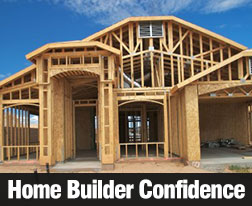 December’s National Association of Home Builders Housing Market Index reported slipping builder confidence in U.S. housing markets. The Housing Market Index readings fell every month in 2022. Recently rising mortgage rates, materials costs, and inclement winter weather contributed to builder skepticism about current housing market conditions.
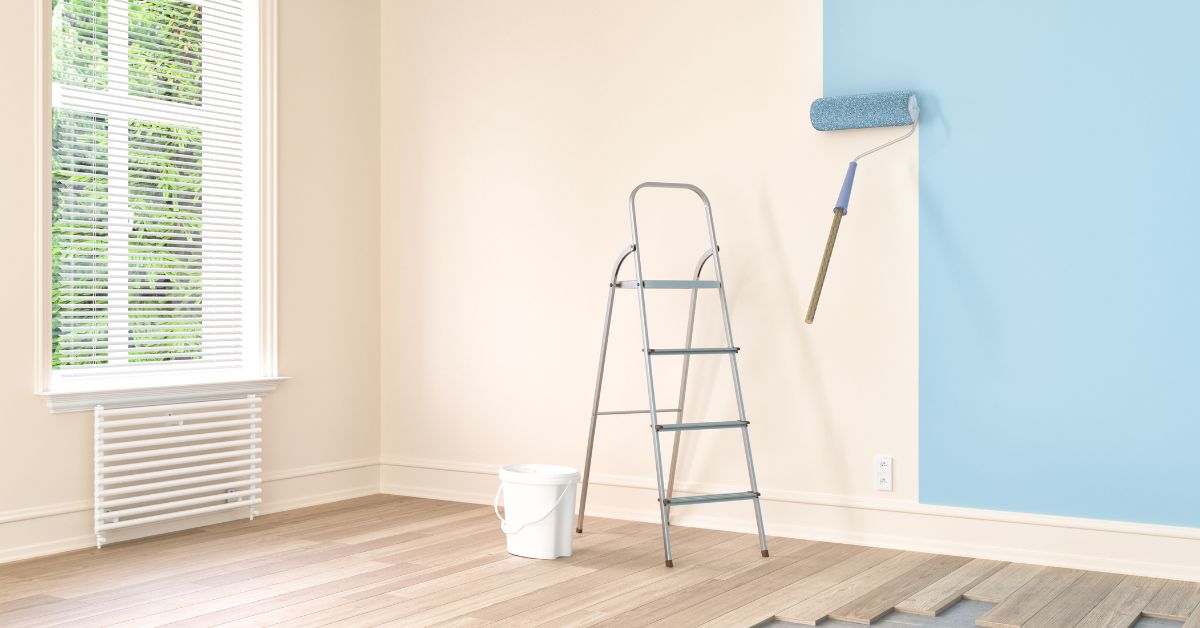 If you are interested in selling your house, you need to make sure you get as much money for it as possible. There is never a second chance to make a first impression, and every detail matters when you want to get an offer on the table. That means you need to pay attention to the color of your paint as well. Even though this might sound like a relatively minor detail, the color of your paint does matter. What do you need to know about paint color and its impact on your home’s value?
 Last week’s economic reporting included readings on inflation, retail sales, and the Federal Reserve’s Federal Open Market Committee meeting. Fed Chair Jerome Powell held his scheduled post-meeting press conference and weekly readings on mortgage rates and jobless claims were also released.
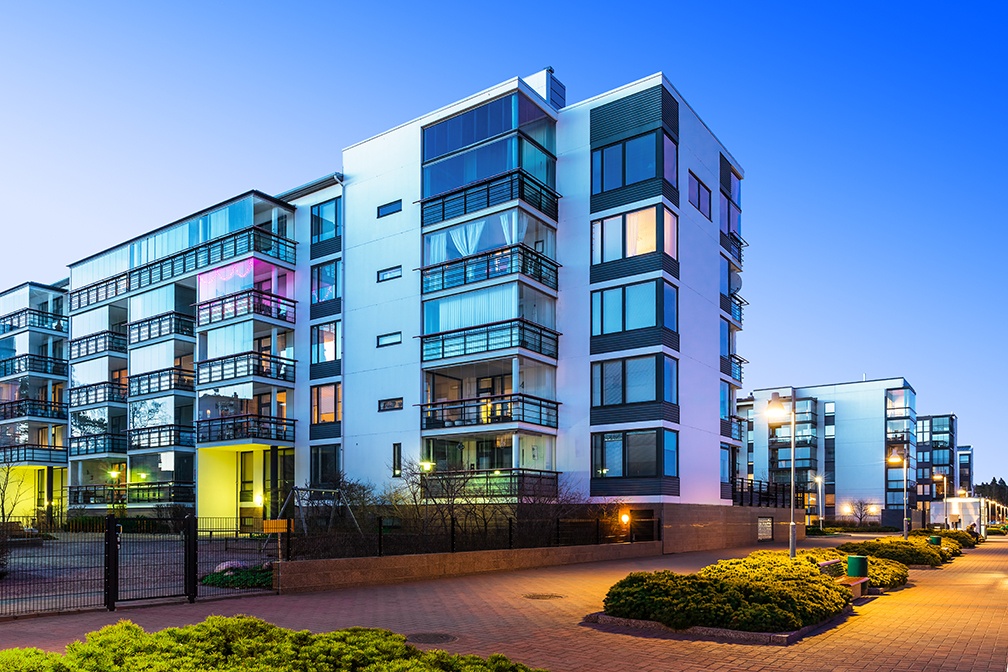 Did you recently receive your annual notice that the rent is going up? If so, you’re not alone. Millions of renters are seeing more and more of their income drained away due to higher rents. To make matters worse, every dollar in rent is one that you are not saving, investing or using to build your net worth. If you’re feeling the pinch of higher rents, it might be time to buy your first starter home.