
• Texas Real Estate Commission Consumer Protection Notice
  • Texas Real Estate Information About Brokerage Services

Navy Fellas Realty Group

Real Estate, Residential sales and purchase

  • Home
  • About Us
    • About James
    • About Ashley
    • About Our Team
    • Accessibility Statement
  • Property Search
  • Resources
    • Home Buyer Tips
    • Home Seller Tips
  • Video Walkthroughs
    • Saratoga Homes (Plantation Lakes -Katy, Tx.)
    • David Weekly Home (Towne Lake)
    • Taylor Morrison Home (Alder Trails)
    • Ashton Woods (Towne Lake)
  • Blog
  • Contact

Buying Real Estate vs. Buying Stocks: Here’s Why a Home Should Be Your Priority

August 12, 2021 by James Scott

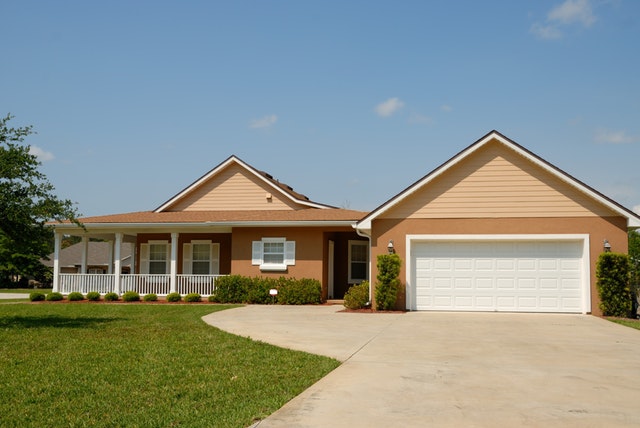
Buying Real Estate vs. Buying Stocks: Here's Why a Home Should Be Your PriorityOnce you’re done with debt and you’ve started to save, it’s commonly the case that you’ll start hearing about the risks and rewards of investing in stocks or real estate. Unfortunately, it can be difficult for many people to know what type of investment is going to work better for them down the road. If you’re currently considering what you should put your money into, here are some reasons you may want to turn to real estate.

It’s Something You Can See

While investing in the stock market will give you the ability to invest as little or as much as you want, a home will take a monthly payment and a down payment in order to make the deal. Fortunately, this means that you’ll be investing money every month into something that belongs to you and that you can see. A home is not only something you can invest in all the time, it will enable you to avoid putting money into rent that you’ll never get back.

Saving Money On Tax Breaks

There may be a certain amount of volatility with any market investment, but when it comes to buying a home you also have the benefit of tax breaks that are designed specifically for homeowners. In addition to the ability to deduct interest on your main residence if you’ve lived in your property for a minimum of two of the last five years, you’ll also be able to sell it tax-free. Investing in a home certainly takes savings, but there are many available tax benefits that can save money.

A Sense Of Security

Many people want to invest in a home because it offers up a piece of something that they can really own. However, another appealing aspect of having a home is that you’ll be removed from the day-to-day rumblings of the stock market. Investing can make people more than a little weary, even if they’re knowledgeable about the markets, and this can cause people to sell off and lose money when the going gets tough.

Investing in real estate and the stock market both involve some degree of financial risk, but you might not be aware that there are several added benefits of buying a home. From the tax break incentives to the sense of security, real estate can often be the better financial route to take.
Filed Under: Home Buyer Tips Tagged With: Buying A Home, Home Buyer Tips, Real Estate Tips

HOAs: What Do Buyers Need To Know?

August 11, 2021 by James Scott

HOAs: What Do Buyers Need To Know?There are many factors that buyers need to consider when they are evaluating a potential property. Sometimes, buyers run across properties that have to deal with something called a Homeowners’ Association, or HOA.

What Do HOAs Do?

An HOA ensures that communities look their best and function well. While HOAs were unusual several decades ago, they are becoming more common. HOAs are typically governed by a board made up of people living in the neighborhood. By ensuring properties look their best, property values could remain high; however, there could also be restrictive covenants in place.

How Much Do HOAs Charge?

HOAs can vary widely from place to place. Fees are usually charged monthly, quarterly, or annually. While some HOA fees might be less than $100, some HOA fees can be a few thousand dollars per year. HOA fees vary significantly depending on the number of people in the community and the amenities in the neighborhood.

HOAs use this money to take care of common areas in the community. For example, HOA fees are usually used to pay landscaping companies to take care of the common areas. HOA fees can also be used to take care of swimming pools, tennis courts, and golf courses that could be in the neighborhood. If there is security, the HOA fees are used to compensate that as well.

What Restrictions Can An HOA Put In Place?

There are many restrictions an HOA could place on a homeowner; however, these vary from neighborhood to neighborhood. Most of these restrictions involve the exterior of the home, as the point of these restrictions is to keep a homeowner from doing something that could adversely impact the home values of other properties. There might be restrictions on the size of trees, certain landscaping work, and patios. Make sure to take a look at these restrictions before buying a home.

HOAs Have Their Benefits And Drawbacks

Like other factors involved in buying a home, HOAs have their benefits and drawbacks. It is critical to work with a lender who understands how to read HOA covenants before making a decision. HOAs can play a significant role in what people can do with their home.

Filed Under: Real Estate Tagged With: HOA, HOA Cost, Real Estate

The Process Of Estimating Property Values

August 10, 2021 by James Scott

The Process Of Estimating Property ValuesProperty values are a moving target. They are important to buyers and sellers because everyone wants to get the best deal possible. Sellers want to get as much money for their investment while buyers do not want to overpay for a home. There are a lot of factors that play a role in property values including the economy, the number of people looking for homes, new home construction, schools, the job market, and more. How do real estate agents estimate the value of a home?

How Much Will Someone Pay For A Home?

The market value of a home is the amount of money someone is willing to pay for that home. This is how real estate agents estimate the value of the home. He or she will usually take a look at similarly priced homes in the area (sometimes in the same neighborhood) to see what those homes are selling for. Then, the price per square foot will be applied to that specific home to calculate its value.

Often, real estate agents use the past six months as a guideline; however, if there has not been much action, agents might go back further. Agents will usually draw a radius of one mile to ensure homes are similar; however, some homes, such as luxury homes, are harder to compare.

A Professional Appraiser Is Usually Involved

Sometimes, home values are calculated by a professional appraiser who is typically hired by a lender. Lenders want to make sure they will get their money back if the home sells in the future. If the buyer is paying more than the appraiser says it is worth, then the lender might ask the buyer to put more money down before financing it.

Real Estate Agents Could Ask For More Information

Real estate agents might also ask homeowners for more information. If one house stands out on the comps sheet, the agent might ask the homeowner what happened. What makes this house different? Is the location different? Did the home sell as furnished? All of this is important for helping realtors ensure they are doing the best possible job in guiding their clients in the right direction. Some sales may still require the help of a licensed appraiser.

Filed Under: Real Estate Tagged With: Home Estimates, Property Value, Real Estate

What’s Ahead For Mortgage Rates This Week – August 9, 2021

August 9, 2021 by James Scott

What's Ahead For Mortgage Rates This Week - August 9, 2021Last week’s economic reporting included readings on construction spending, consumer sentiment, labor sector reports on public and private sector jobs, and national unemployment. Weekly readings for mortgage rates and jobless claims were also released.

Residential Sector Drove June Construction Spending

Construction spending rose by 0.10 percent in June according to the Commerce Department. Analysts expected spending to increase by 0.50 percent, but builders spent less on public sector and non-residential projects. Spending for all construction spending rose at a year-over-year pace of $1.55 trillion. Residential construction rose by 1.10 percent in June, but public-sector spending fell by -1.20 percent and nonresidential construction spending fell by 0.70 percent. Year-over-year residential construction spending rose by 28.80 percent in June; nonresidential construction spending was 6.60 percent lower year-over-year.

Demand for homes continued to exceed the supply of available homes. Builders took advantage of lower lumber prices to ramp up construction, but shortages of affordable entry-level homes continued to challenge first-time and moderate-income home buyers. Although the covid pandemic continued to increase demand for homes, some buyers left the market due to high home prices and few options for available homes. Cash buyers and bidding wars in popular metro areas continued to drive up home prices.

Mortgage Rates, Jobless Claims Fall

Freddie Mac reported lower average mortgage rates last week as rates for 30-year fixed-rate mortgages fell by three basis points to 2.77 percent. The average rate for 15-year fixed-rate mortgages was unchanged at 2.10 percent; Rates for 5/1 adjustable rate mortgages averaged 2.40 percent and were five basis points lower. Discount points averaged 0.60 percent for fixed-rate mortgages and 0.40 percent for 5/1 adjustable rate mortgages.

New jobless claims fell to 385,000 initial claims filed from the previous week’s reading of 399,000 new claims filed. Ongoing jobless claims were also lower with 2.93 million continuing claims filed as compared to 3.30 million ongoing claims filed in the previous week.

Low Unemployment Rate Suggests Continued Economic Recovery

Public and private sector jobs showed mixed results in July. ADP reported 330,000 private-sector jobs added in July as compared to 680,000 private-sector jobs added in June. The Labor Department reported 943,000 public and private-sector jobs added in July as compared to its June reading of 938,000 jobs added. The national unemployment rate fell to 5.40 percent in July as compared to June’s reading of 5.90 percent. Analysts expected an unemployment rate of 5.70 percent in July. 

What’s  Ahead

This week’s scheduled economic readings include reporting on job openings, inflation, and the University of Michigan’s initial consumer sentiment index for August. Weekly readings on mortgage rates and jobless claims will also be published.

Filed Under: Financial Reports Tagged With: Financial Report, Jobless Claims, Mortgage Rates

Small Home Staging: 3 Ways That You Can Stage Smaller Spaces to Make Them Pop

August 6, 2021 by James Scott

Small Home Staging: 3 Ways That You Can Stage Smaller Spaces to Make Them PopWhen it comes to real estate, putting your home in its best light is key when it comes to making the sale. While it may seem like you’re more limited with a home of a smaller scale, here are a few ways you can enhance what’s best and make a good impression on potential buyers.

Let There Be Ideal Light

If you’ve ever taken note of a room on a perfectly lit day or a downcast one, the difference in how lighting can impact a space is marked. When staging your small space, you’ll want to check the lighting of each room and make sure it ideally enhances the space it’s illuminating as few things can improve the look of a place like lighting. If you’re prepared to go all out, you may even want to install a swanky chandelier or lengthy light fixture in certain rooms as it can draw the eye up and lengthen the look of your space.

Brighten a Room with an Accent Wall

Homeowners often think that bright colors are a bad idea because they’re flashy and will minimize a space, but using a brilliant color on one wall of a room can actually maximize the look of your room and can serve as something memorable for viewers of your home. While you’ll want to make sure the color you choose isn’t garish and doesn’t completely overwhelm the eye, you’ll want to keep in mind that an accent wall works particularly well for enhancing a pint-sized bathroom.

Stand By a Statement Piece

It might seem like unique or off-the-wall furniture pieces will overtake the room in a small living space, but one statement piece can actually provide potential buyers of your home with a unique look that may instill an interest in your house and highlight it in a unique way. Instead of choosing multiple pieces that are bright or quirky, stick with one or two items per room that will stand out and make themselves known, but will still give off the living-style vibe that you’re going for.

Staging a small home can seem more complicated with less space, but there are great ways that you can highlight it to positive effect. While you may want to consider an accent wall or lighting that will effectively illuminate the room, if you’re interested in more tips for small home staging, you may want to contact a local real estate agent for more information.

Filed Under: Home Seller Tips Tagged With: Home Seller Tips, Selling A Home, Staging

Is It Time To Create A Home Office: What To Know

August 5, 2021 by James Scott

Is It Time To Create A Home Office: What To KnowOffice work has changed significantly during the past few years. With many people working well from home, numerous employers are becoming open to the possibility of allowing their employees to work from home permanently. With many people looking for ways to be productive from home, it is critical to create an environment that is conducive to being productive. How can homeowners make this happen?

Make Small Changes First

It is difficult to make major changes in a small home or condo; however, there are still small changes that can be made. For example, many people use a drop-down shelf or a narrow table as a work from home desk. Then, with a task light and a monitor, it is easy to create a functional home office. It is even possible to repurpose a formal dining room table, by turning it into a home office.

Repurpose An Entire Room

Those who own larger single-family homes might be able to make bigger changes to their homes, repurposing an entire room and turning it into a home office. For example, it might be possible to turn the guest room into a home office, making it a guest room during the evening and a home office during the day. Then, homeowners might want to install a Murphy bed that can fold out and create a guest room during the evening.

Use The Attic Or Basement

It might be time to finish the attic or basement, turning that into a home office. These are usually large spaces that can be used for more than one purpose. For example, it might be possible to use this space as a home office for two people. Consider investing in great lighting to avoid creating a cave-like work environment. It is possible to turn these locations into fantastic home offices with the right tools.

Consider Building An Addition

Finally, some homeowners are also thinking about building a home office instead. It might be time to add an addition to a single-family home, particularly for those who are going to be working from home for the foreseeable future. There are plenty of remodeling projects that could create a functional, comfortable home office.

Filed Under: Real Estate Tips Tagged With: Home Additions, Home Office, Real Estate Tips

  • « Previous Page
  • 1
  • …
  • 182
  • 183
  • 184
  • 185
  • 186
  • …
  • 452
  • Next Page »

Connect with Me!

SEARCH FOR HOMES 
What’s my home worth? 

Return to top of page

Copyright © 2026 Navy Fellas Realty Group. All rights reserved.   Log In