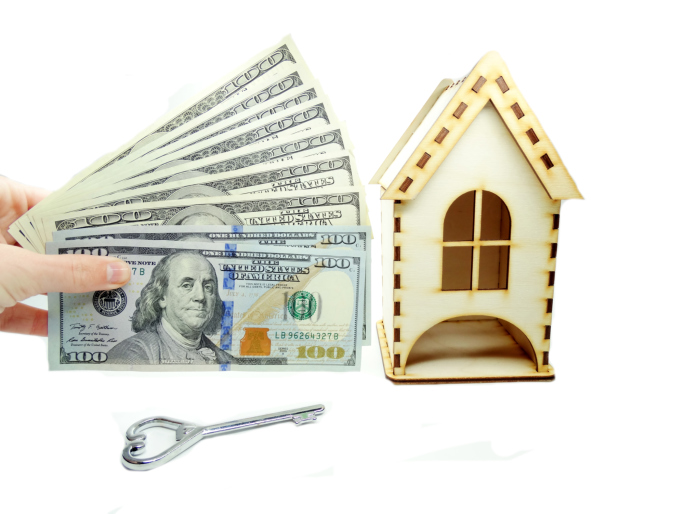
 The real estate market is rife with terminology that can make a home purchase seem more than a little complicated. If you’re currently looking for a home and are considering your loan options, you may have even heard the term ‘Debt to Income’ ratio. In the interest of simplifying things, here are some insights on what this term means and how it can impact your home investment.
Determining Your ‘Debt to Income’ Ratio
It’s important to consider what exactly your DTI ratio is before your home purchase as this will quickly determine how much home you can actually afford. To calculate this number, take your monthly debt payments – including any credit card, loan and mortgage payments – and divide them by your monthly gross income to get a percentage. In the event that your monthly debt is $700 and you make $2800 in income, your DTI is 25%.
What Your DTI Means To The Bank
The DTI is a very important number when it comes to a home loan because it enables the bank to determine your financial situation. A DTI of 25% leaves some wiggle room, as most banks will allow a DTI percentage that runs between 36-43%. In the case of the above example, this means that the most debt this person could take on per month is about $1200. While banks vary on this percentage, credit history plays an important part in the DTI that will be allowed.
Paying Down Your Debt Or Purchasing A Home
In the event that you have a DTI ratio that exceeds what your bank will allow, you will need to consider your debts before moving on to investing in a home. If you’re planning on purchasing a home in the next year, it’s a good idea to tackle high-interest debt first. However, if you happen to have a chunk of money saved up that you’re planning on putting into a down payment, it’s worth considering that putting more than 20% down may slightly increase the DTI percentage your bank will accept.
There are many fancy terms that go along with the world of real estate, but it’s important to understand what they mean so you can make them work in your favor. If you’re calculating your DTI ratio and are planning a home purchase down the road, you may want to contact one of our local real estate professionals for more information.
 The process of buying a home can be exciting and stressful, with one important task being the home inspection. All real estate professionals will likely recommend a home inspection. This is usually a condition of making an offer on a home. While not all prospective buyers will ask the seller to make repairs based on the inspection report, it is important for buyers to know what they might have to do to repair the home.
 Last week’s economic reporting included readings on home prices, new and pending home sales, and the post-meeting statement of the Fed’s Federal Open Market Committee. Weekly readings on mortgage rates and jobless claims were also released.
 There are many homeowners who are looking for ways to reduce their monthly expenses. One way to do that is to target energy bills and expenditures. Homeowners might be able to make a few changes and upgrades to their homes, which could reduce utility bills and improve energy efficiency. What are a few ways to do exactly that?
 Home prices continued to rise at record rates in May according to S&P Case-Shiller Home Price Indices. National home prices rose by 16.60 percent year-over-year in May as compared to 14.80 percent year-over-year price growth in April. The 10-City Home Price Index reported home prices rose 16.40 percent year-over-year and 1.90 percent month-to-month.
 If you’re moving to a new city and you’re looking for an affordable home in a nice neighborhood, one great way to get a fantastic home without paying sky-high prices is by choosing a home in an up-and-coming neighborhood. Communities that are starting to gentrify make it easy to find an affordable home, especially if you buy before the prices start to rise.