• Texas Real Estate Commission Consumer Protection Notice
  • Texas Real Estate Information About Brokerage Services

Navy Fellas Realty Group

Real Estate, Residential sales and purchase

  • Home
  • About Us
    • About James
    • About Ashley
    • About Our Team
    • Accessibility Statement
  • Property Search
  • Resources
    • Home Buyer Tips
    • Home Seller Tips
  • Video Walkthroughs
    • Saratoga Homes (Plantation Lakes -Katy, Tx.)
    • David Weekly Home (Towne Lake)
    • Taylor Morrison Home (Alder Trails)
    • Ashton Woods (Towne Lake)
  • Blog
  • Contact

Outdoor Projects That Will Help You Sell Your Home

August 14, 2018 by James Scott

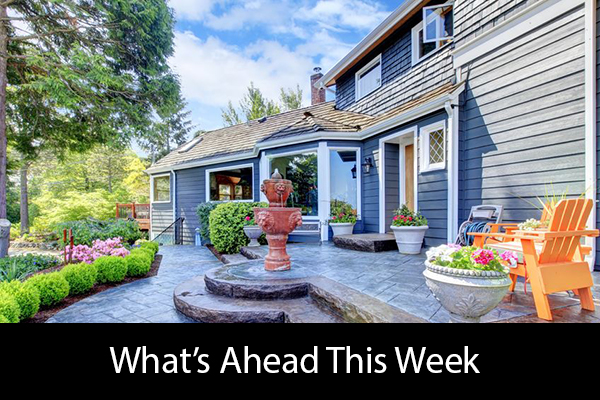
Outdoor Projects That Will Help You Sell Your HomeFirst impressions matter when you’re selling your home. Curb appeal is what draws potential buyers to your home. It can make or break a home sale.

Attractive landscaping or an appealing entryway can determine whether or not buyers walk through your front door. If the outside of your house is poorly kept up, they probably won’t bother to see the inside.

You don’t have to have a large budget or tons of time to make your home look appealing from the outside. Here are some easy outdoor projects that will help you sell your home.

Get Rid Of Clutter

Getting rid of clutter and garbage in your yard is one of the easiest and cheapest things that you can do to make your home look great. Pretend that you are a buyer. Walk around your home and look for clutter. Pick up any plastic, paper, branches or other garbage that has made its way into your yard. Remove trash cans, skateboards, bikes and garden tools. If you have newspapers on your front porch, clear them away.

Clean Up The Landscaping

The last thing that you want is for buyers to pull up to your house and see an overgrown lawn that is littered with weeds. If you have listed your home on the market, it is important to keep the lawn looking neat and trimmed. Prune overgrown shrubs and trim hedges. Weed and water your flower gardens. Add a layer of mulch to all of your flower beds, as well. Sweep away any dead leaves or small branches. Make sure that you are mowing and weed-eating your lawn on a regular basis.

Repaint the Exterior

Repainting your exterior doesn’t cost a ton of money and it can enhance the value of your home quite a bit. It is especially important to repaint if your existing wood trim and front door have peeling paint. Adding a new coat of paint can be done over a weekend in most cases.

Update Lighting  

If you have old or broken exterior lighting, consider updating it. This is another job that does not take much time or money and can quickly give your home a facelift. Plus, exterior lighting is a great safety feature and something that most buyers appreciate.

Replace Broken Fixtures

Take a look at your door hardware, doorbell, house numbers, mailbox and other exterior fixtures. Do they look worn or old? Are they broken? If the answer to either of these questions is yes, then it is time to replace these things. Brushed nickel or bronze are both very nice exterior finishes. They work equally well in both contemporary and traditional homes.

Remember, it can also be a great idea to have your trusted real estate professional take a look and give you tips on how you can maximize your sales price on your home. They have years of experience and will likely be able to uncover opportunities that an owner may overlook.


Filed Under: Real Estate Tagged With: Home Improvement, Landscape, Real Estate

What’s Ahead For Mortgage Rates This Week – August 13th, 2018

August 13, 2018 by James Scott

What’s Ahead For Mortgage Rates This Week – August 13th, 2018

Last week’s economic reports included readings on job openings and inflation along with weekly readings on mortgage rates and new jobless claims.

Job Openings Hit Third Highest Reading on Record

Job openings held steady at 6.70 million in June, which was the third highest reading since reporting started in 2000.

Analysts said that the high number of job openings combined with low unemployment rates indicates healthy labor markets. Fewer jobs were available in transportation, utilities and warehousing, but jobs in education increased.

Job quits remained at 2.20 percent for the fourth consecutive month. Quits are considered an indicator of worker confidence in job markets.

Inflation Inches Up

Inflation rose by 0.20 percent in July according to the Consumer Price Index. While analyst expectations were met, rising housing costs offset a decline in energy prices. Core inflation, which excludes volatile food and energy readings, held steady at 0.20 percent as compared to the same reading for analyst expectations and for June.

The Consumer Price Index rose 2.90 percent year-over-year, which matched June’s reading. The less volatile Core CPI, which excludes inflation readings for food and energy, rose by 2.40 percent year-over-year and was the highest   reading for core inflation since 2008.

Mortgage Rates, New Jobless Claims Lower

Freddie Mac reported lower average mortgage rates last week. The rate for a 30-year fixed rate mortgage was one basis point lower at 4.59 percent; the average rate for a 15-year fixed rate mortgage was three basis points lower at 4.05 percent. Rates for a 5/1 adjustable rate mortgage averaged 3.80 percent, which was three basis points lower than for the previous week.

First-time jobless claims fell to 213,000 new claims filed and were lower than the expected reading of 217,000 new claims and the prior week’s reading of 219,000 new claims filed. The less volatile monthly reading fell by 500 new claims to 214,250 first-time jobless claims.

What‘s Ahead

This week’s economic readings include reports from the National Association of Homebuilders, Commerce Department readings on housing starts and building permits issued. Weekly readings on mortgage rates and new jobless claims.

Filed Under: Financial Reports Tagged With: Financial Reports, Interest Rates, Mortgage Rates

Big Second Quarter GDP Numbers Impact Housing Market

August 10, 2018 by James Scott

Big Second Quarter GDP Numbers Impact Housing MarketPositive economic growth numbers are always cause for celebration and the second quarter GDP just went vertical. After nearly four years of sub-par growth, the real GDP hit 4.1 percent in the second quarter.

While that economic news has everyday Americans excited that we may be entering a new age of prosperity, drawing a concrete link to the real estate market may be difficult. But by looking long and hard at this uptick and its potential impact on housing, you may get a better idea about buying, selling or standing pat on residential and commercial property.

GDP Report Points To Demand

Among the positive measures from the recent economic report, consumption enjoyed a positive increase. The first quarter numbers were disappointingly sluggish in this area at a modest 0.5 percent. The second quarter took off like a rocket, by comparison, at 2.25 percent.  

Although that figure shows an upwardly mobile economy, some experts are calling it discouraging given the extraordinary consumer confidence that has risen to record highs of more than 101.0 since November 2017. This opinion begs the question: why are economy gurus disappointed?

The first part of that answer has to do with the implementation of the Tax Cuts and Jobs Act that is putting more money in American paychecks and rolled back income tax liability. Many economists forecast that this personal wealth growth would turn into solid consumption. While working families have enjoyed a breather in terms of scratching from paycheck to paycheck, home purchases have not gone through the roof.

Home availability remains relatively low. With Millennials scooping up many of the starter-home listings and Baby Boomers downsizing, a significant housing shortfall exists. If you have ever heard the term “seller’s market,” this is it.

Inventory Shortage Means Buy Quickly

There are always naysayers that point to lower than expected consumption and claim the economy is weak. The facts in the GDP report clearly dispute any such ideas.

Business investment spiked to a powerful 11.5 percent and then 7.3 percent in the first two quarters. Fixed business investment is on fire based on deregulation, soaring profits and confidence.

That’s why real estate resources are saying that the only thing holding the market back is inventory. Home sale data is not keeping pace with other sectors of the economy because there simply is not enough inventory to keep up with demand. For first-time buyers, this means get prequalified and act swiftly if you find a dream home. It won’t stay on the market long.

Prospective homebuyers may be relieved to know that positive construction indicators are trending. New homes are expected to improve the inventory shortage heading into 2019. Still, demand is likely to stay ahead of inventory.

Whether you are buying or selling, your trusted real estate professional can be one of your very best assets in this fast-paced market.

Filed Under: Real Estate Tagged With: Home Sales, Housing Market, Real Estate

Home Trends Includes Natural Mindfulness Designs

August 9, 2018 by James Scott

Home Trends Includes Natural Mindfulness DesignsUrban and suburban life offers wonderful conveniences and cultural benefits. But a downside that many families are experiencing is the pervasive use of electronics and disconnectedness from nature.

These lifestyle deficiencies have increased the popularity of yoga and meditation and the practice of mindfulness is topping the covers of national magazines. Everyday mothers and fathers are also working hard to engage their children in outdoor activities and nature. These things require an ongoing effort on top of already packed schedules. That’s why mindful home designs that bring nature into your living space have been trending.

Origins Of Mindful Home Design

There are plenty of home fads that come and go. Some may remember the intense oranges of the 1970s or tiles that covered over lush hardwood floors. Yikes.

One of the founders of the nature-infused home movement was America’s beloved architect Frank Lloyd Wright. His acclaimed Fallingwater marvel was built in 1935 directly on top of a waterfall. The design incorporated natural stone and timber in a way that brought the outdoors living experience into the home. The southwest Pennsylvania wonder forms the basis for the recent trend to incorporate natural elements into living spaces.

The idea that connectedness to nature improves mindfulness has been supported by a wealth of research. The Japanese use “forest bathing” as a way to feed the mind and spirit. The basic idea goes hand in hand with Wright’s architectural thinking that human senses benefit from a direct and discernable connection to nature.

Studies have shown that patients recovering from illness or surgery demonstrate marked health improvement through natural immersion. But the practical question is: how does this trend benefit everyday homeowners?

Natural Homes Improve Mindfulness

It’s not practical to bring an entire forest into your home. But creating semi open-air spaces go a long way to enhancing an outdoor feeling.

Many homes are including semi-enclosed spaces constructed from natural timbers, stone flooring and rich plant life that emulate the positive effects nature has on the human psyche. Although subtle, they help reduce the nature deficiency experienced by many tech-oriented adults and children.  

By working with materials that further the experiences of nature’s sights, sounds, touches, smells and even tastes in some cases, living environments are bringing a touch of the natural world home.

When considering a remodeling project or new construction, consider looking at the ideas of Frank Lloyd Wright’s Fallingwater project and contemporary home designers about infusing nature into your everyday life.

If this housing type is appealing, be sure to let your trusted real estate professional know so that they can help you find just the right home for you.

Filed Under: Real Estate Tagged With: Home Design, Home Improvement, Real Estate

4 Top Sustainable Home Trends

August 8, 2018 by James Scott

4 Top Sustainable Home TrendsThe emergence of sustainable energy and products have solidified the go-green movement. Solar energy and electric cars are just the tip of the iceberg.

The impact of products on the environment has become a significant measure about their value. Those same principles are also being applied to homes. Smart homes and energy efficiency have a direct correlation to home values and listing prices. That’s why homeowners and home builders alike have an eye toward sustainable trends. These are some of the top-ranked home trends.

1: Durability Matters

After the catastrophic weather that damaged and destroyed homes in Florida and the Gulf states, “resiliency” has emerged as a key sustainability term. Contractors and home designers are including materials that stand up to extreme weather. These materials also consider toxicity levels, with the most non-toxic being among the more favorable. The storms will come, but how properties resist them and impact the environment afterwards are important sustainability trends.

2: Natural Light Keeps Trending

The use of sustainable solar energy has prompted many to go directly to the source. Large skylights and windows allow natural light to warm homes and reduce the need for electric lighting. Natural light also helps stave off Seasonal Affective Disorder during shorter winter days. Simply put, incorporating natural light resources is a trend that builds off of solar energy thinking.

3: Water Filtration Systems

It’s no secret that municipal water supplies have been compromised on occasion. This trend that started ramping up in 2017 continues to have legs as homeowners are securing water purity. In terms of sustainability, homeowners with water filtration systems have been utilizing them as a method to reduce the amount of bottled waters they purchase. Above and beyond the cost-saving benefits, the reduction in unsustainable plastics is helping to protect the environment.

4: Electric-Only Homes

The high carbon emissions from fossil fuels has motivated environmentally conscious Americans to turn to wind and solar. These days, improved energy storage from high-capacity lithium batteries has opened the door for homes to go all-electric. This appears to be an emerging trend that could pick up additional steam as energy storage technology moves forward. Electric-only homes could be a major step in allowing average homeowners to get off the grid. This trend is not only sustainable for the environment, it lessens the monthly impact on wallets.

Living in the technology era means that change can occur rapidly, and green-friendly homeowners may want to stay up to date on the latest sustainable home trends. They could improve home values going forward.

If green living is one of your priorities, your trusted real estate professional is ready to help you find eco-friendly homes in your area. 

Filed Under: Real Estate Tagged With: Green Living, Real Estate, Solar

Seller-Paid Closing Costs In A Seller’s Market? Yes, It’s Still Possible

August 7, 2018 by James Scott

Seller-Paid Closing Costs In A Seller's Market Yes, It's Still PossibleFor first-time home buyers, closing costs are a major hurdle for home ownership. Coming up with a down payment and several thousand dollars for closing costs can be hard without home equity to tap.

To help, buyers often ask sellers to cover all or some of these costs. In markets favoring buyers, this is a common habit, but when the market switches to favoring sellers it becomes harder. Sellers who know they may get multiple offers are less likely to say “yes” to this request.

Yet even when the market favors sellers, buyers can still ask for this help. It all depends on how the offer is presented. Here’s how to potentially make it look appealing, even with other offers on the table.

Buyers Need To Consider The Total Amount

Many sellers build negotiation room into their asking prices. This means they anticipate some offers coming in that are lower than their asking price.

Buyers asking for closing costs can offer the full asking price or more than the asking price to make the offer more appealing.

For example, if the buyer needs $2,000 in closing costs, and offers $2,000 more than the asking price, the seller won’t stand to lose money and will find the offer more appealing. This, in effect, rolls the closing costs into the loan.

On the flip side, if a buyer makes an offer well below the asking price, then also asks for closing costs, the seller is likely to say no.

Buyers Should Consider Other Components Of Their Offer

Sometimes the problem the buyer faces is a lack of cash to cover the closing costs, particularly when using a no- or low-down payment loan option. To make the offer more appealing, buyers should look at the rest of the offer’s terms.

For example, a buyer may ask for closing costs but overlook other contingencies, such as non-urgent repairs. This makes the offer appealing, because the seller’s costs even out.

Buyers Can Offer To Close Quickly

Another way to make seller-paid closing costs something a seller will accept is moving the closing date up. Most sellers want to sell quickly, so the faster the buyer can close, the better the offer may look.

For buyers in a seller’s market who need closing cost help, the key is to make all other aspects of the offer appealing. By doing so, these buyers may just get the closing cost help they need to move forward with their home purchase.

Your trusted real estate professional is well-versed in the art of negotiation and will be a great resource to guide you through your home buying or selling process. 

Filed Under: Mortgage Tagged With: Closing Costs, Home Loan, Mortgage

  • « Previous Page
  • 1
  • …
  • 303
  • 304
  • 305
  • 306
  • 307
  • …
  • 448
  • Next Page »

Connect with Me!

SEARCH FOR HOMES 
What’s my home worth? 

Return to top of page

Copyright © 2025 Navy Fellas Realty Group. All rights reserved.   Log In