 Last week’s economic releases included readings from Case-Shiller, pending home sales, and consumer sentiment. Weekly reports on mortgage rates and first-time jobless claims were also released.
Case-Schiller: Home Prices Continue to Rise
According to Case-Shiller Home Price Index reports for January, U.S. home prices continued to rise at a rapid pace with the national home price index rising at a seasonally-adjusted annual rate of 6.20 percent. Case-Shiller’s 20-City Home Price Index rose by 6.40 percent year-over-year. Seattle, Washington held the top spot with year-over-year home price growth of 12.90 percent.
Las Vegas, Nevada reported year-over-year home price growth of 11.20 percent. After a lull in home price growth, San Francisco, California home prices grew by 10.20 percent year-over-year. The only city to lose ground in the 20-City Index was Washington, D.C., which posted a drop of 0.40 percent in January, but posted a year-over-year gain of 2.40 percent.
David M. Blitzer, Chairman of the Dow Jones S&P Indices Committee, said that rapidly rising home prices were all about supply and demand. Growing demand and slim supplies of homes for sale were again cited as the primary reason for rapidly rising home prices. Faced with limited choices and rising mortgage rates, more buyers could be sidelined until demand subsides or inventories of available homes increase.
Mortgage Rates, New Jobless Claims Fall
Freddie Mac reported slight drops in average mortgage rates last week. 30-year mortgage rates dropped by one basis point to 4.44 percent; 15-year mortgage rates averaged one basis point lower at 3.90 percent, and rates for 5/1 adjustable rate mortgages also dropped by one basis point to 3.66 percent. Discount points averaged 0.50 percent for fixed rate mortgages and 0.40 percent for 5/1 adjustable rate mortgages.
First-time jobless claims fell last week with 215,000 new claims filed. Analysts expected 230,000 new claims to be filed based on the prior week’s reading of 227,000 new claims filed.
Consumer Sentiment dipped lower in March with an index reading of 101.4, which fell below expectations of 102.0 and February’s index reading of 102.0.
What‘s Ahead
This week’s scheduled economic reports include readings on construction spending, and labor-related readings on ADP payrolls, Non-Farm payrolls and the national unemployment rate. Weekly readings on mortgage rates and new jobless claims will also be released.
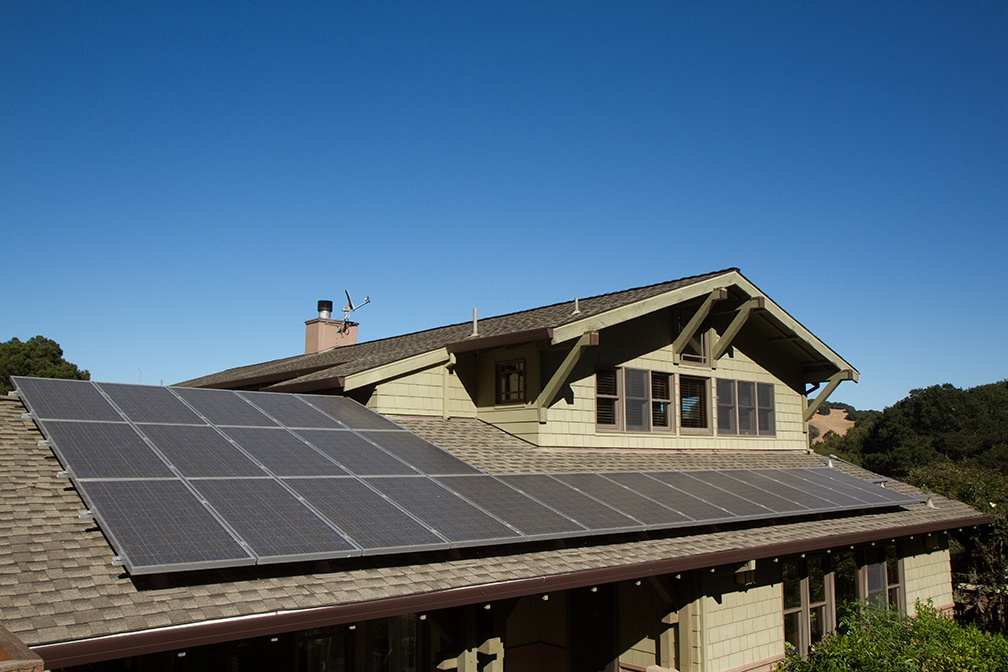 In recent years, building an environmentally friendly home or updating an existing home to be more energy efficient has become much more mainstream. While building an entirely green residence isn’t always fiscally possible, simple eco-friendly building techniques and upgrades will ultimately lower your water and electricity bills.
 Spring is many people’s favorite season of the year. Obviously, there are many valid reasons why this is so; but, one of the best things about spring is that it is an ideal time to sell your home.
 Whether you are hunting for a project that will pry the kids away from their phones or you just want a head start on the spring, few home projects are as rewarding as a vegetable garden.
 If you’ve had to watch your parents transition into assisted living, you may have no desire to call such a place home. You are not alone. According to the Aging in Place Housing Survey conducted by the American Association of Retired Persons (AARP), more than 90 percent of seniors want to remain in their home.
 Last week’s economic releases included readings on new and pre-owned home sales and the Federal Open Market Committee’s customary post meeting statement. Fed Chair Jerome Powell gave his first press conference as Chair of the Federal Reserve and FOMC. Weekly readings on mortgage rates and first-time jobless claims were also released.