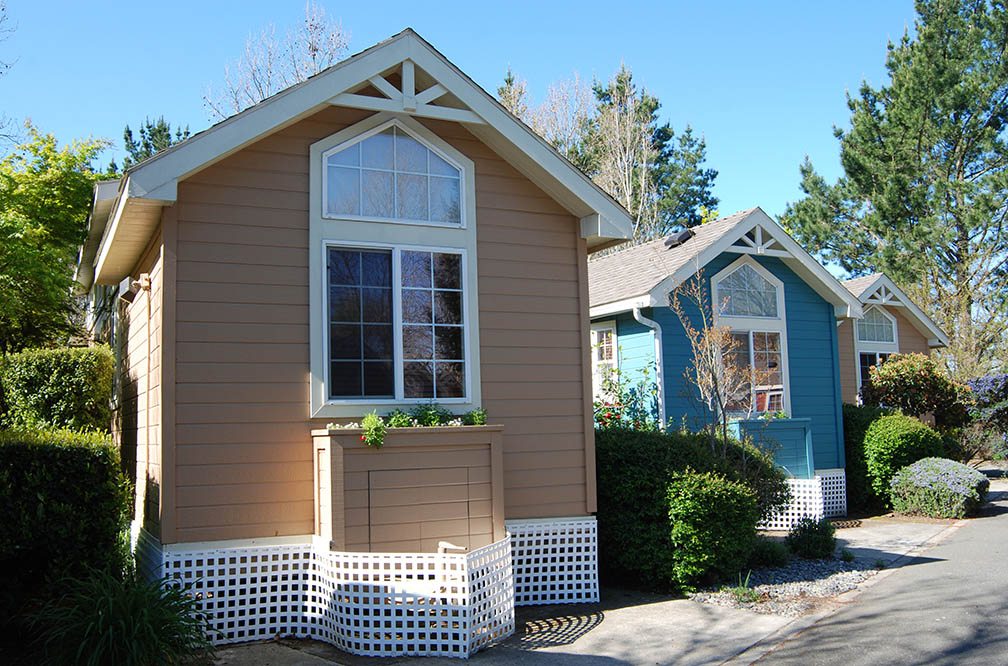
 With the cost of a home on the rise and the concept of being sustainable becoming more popular, many people are considering moving to a smaller home to minimize their impact. It’s important, however, to consider what living small is really like before deciding that it’s the right move for you. If you’re curious about life on a smaller-scale, here are some things to contemplate beforehand.
Getting Rid Of The Excess
It’s just a fact that a smaller amount of space means a smaller amount of stuff, but many people don’t realize this works two ways. While you won’t be able to accumulate the same amount of stuff in a smaller home, you also won’t have the luxury of being able to take everything from a larger house with you. It may not be a big deal for you to pack things away or discard the old, but if you’re the type of person who likes stuff, you may want to re-consider micro.
Will You Miss The Space?
Many homeowners spend a lot of time outdoors or even travelling for work, so the size of their home may not matter that much. However, if you’re the kind of homeowner who loves to nest and have their space, the idea of lounging around a small home may not be for you. A micro-sized space can minimize costs and be easier to decorate, but if you like being able to spread out and luxuriate in a variety of surroundings, something undersized can be quite limiting.
Forget The Home Maintenance
Whether you live on a massive estate or in a studio apartment, there are minor things that need to be done to keep your space clean and clutter free. When it comes to smaller living though, there will be a lot less to do, and this can greatly impact your free time. It’s great if you’re the kind of person who has plenty of hobbies to keep them busy, but if you like taking care of the yard and doing an assortment of home maintenance duties, it may be a struggle to own a property that needs less tending.
It’s never been more popular to go ‘micro’ when it comes to home ownership, but it’s important to make sure small living is right for you before taking the leap. If you’re currently on the market for a ‘micro’ home, contact your trusted real estate professional for more information.
 Last week’s economic reports included NAHB Housing Market Index, Commerce Department readings on housing starts and building permits issued. The National Association of Realtors® released data on existing home sales; Freddie Mac released average mortgage rates and new jobless claims were also released.
 When you’re delving into the market in the hopes of finding your dream home, it’s likely you’ll come across the term debt-to-income ratio. This may not seem important at first, but your DTI is the key to determining the amount of money you can put into your home and just how much you should spend on a monthly basis. If you’re curious about what this means for you, here’s how to calculate it and how it can impact your mortgage.
 Many millennials are expected to enter the housing market in the next year with the interest rates still low. However, while it may be a good time, it does not necessarily mean that it’s the right time for you to make the investment. If you’re currently weighing your options when it comes to home ownership, here are some things to consider before you decide put the money down.
 According to the National Association of Home Builders Housing Market Index for April, Builder Confidence dropped three points to an index reading of 68 in April. While any reading over 50 indicates positive builder confidence, home builders said that they continue to face obstacles including higher costs for materials and elevated costs associated with regulatory issues. Builders have repeatedly cited concerns including a lack of buildable lots and labor shortages in past months.
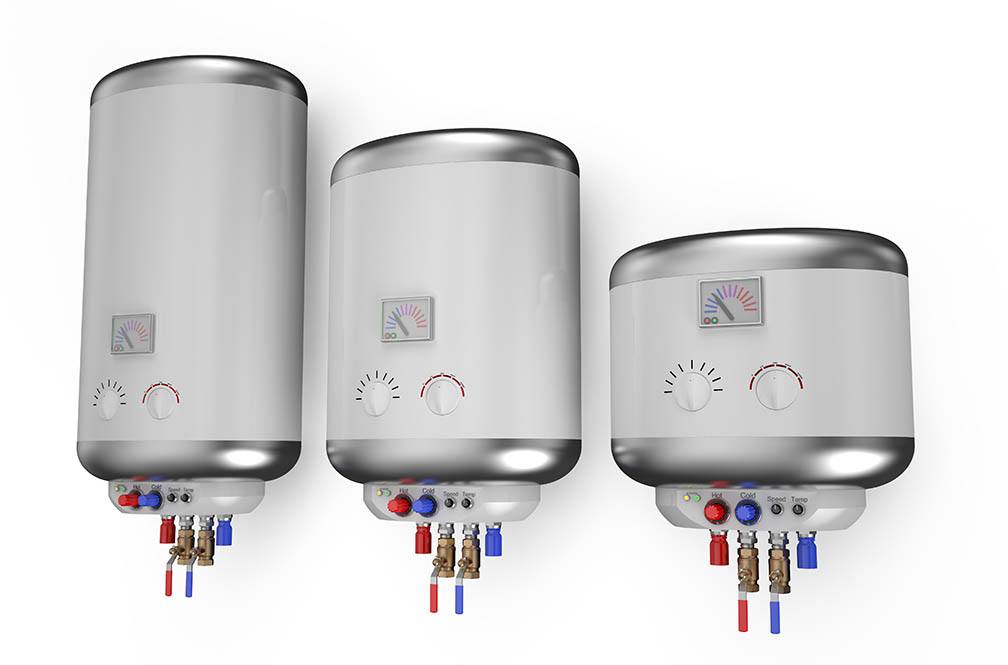 There are so many ways in which you can green up your home and make it more sustainable these days that many people are considering tankless water heaters. While this can certainly be the right option depending on the space you have and the type of water you use, here are some things to consider before you decide to invest in the switch.