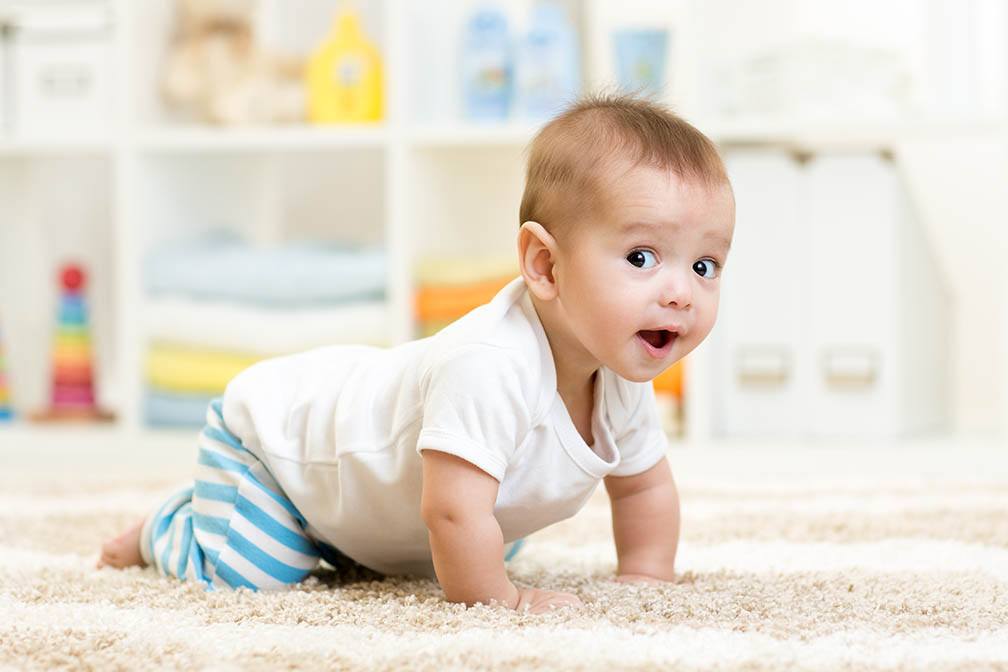
 It’s a very exciting time for most parents when their kids begin to crawl, but it can also be much more difficult to watch over your child and ensure their safety. If your child is starting to get along on their own and you’re preparing to baby proof, here are the main areas and items you’ll want to watch out for.
Clearing Away The Crib
There’s no place your child is going to spend more time, so ensure that there are no toys left in their crib when they’re going to sleep. You’ll also want to stay away from fluffy blankets that can smother their breathing. It’s entirely likely that you’ll have a lot of stuff to store for your baby, but ensure there are no heavy pieces of furniture in the room that they will be able to pull over or move.
In The Bathroom
It goes without saying that you should never leave a baby in the bathtub alone, but there are other things to do as soon as they become mobile. In addition to non-slip mats for the tub and the area outside of the tub, you may also want to invest in soft covers for the knobs and the spout on the bathtub. It’s also good to keep any hazardous cleaning products out of reach.
Care In The Kitchen
Your baby is likely to wreak havoc on all of the door handles they can, so ensure that you have cabinets that don’t close automatically and a latch for your oven door. If you happen to be cooking in the kitchen when your baby is about, ensure that all pot handles are turned in and all cooking items are kept away from the edges of the counter.
Around The House
Your quickly crawling child will be able to find many hazards if they move fast, so ensure you’ve covered up any electrical outlets or cords that can be pulled out. If there are sharp edges your infant can reach, put safety guards on them to protect your baby’s head. Safety gates should also be used at the top and bottom of stairs to avoid any falls.
Most parents get pretty enthusiastic about the idea of their baby starting to crawl, but it’s important to be prepared for that time by baby proofing your home. If you’re currently getting ready to buy a home for your growing family, contact your trusted real estate professional for more information.
 The best addition to many a family is the beloved pet, but beyond the regular treats and pillows, there are plenty of ways to spoil your pet and let them know how much you love them. If you’re looking for some neat concepts for your favorite pooch, here are some unique ideas you may want to try out.
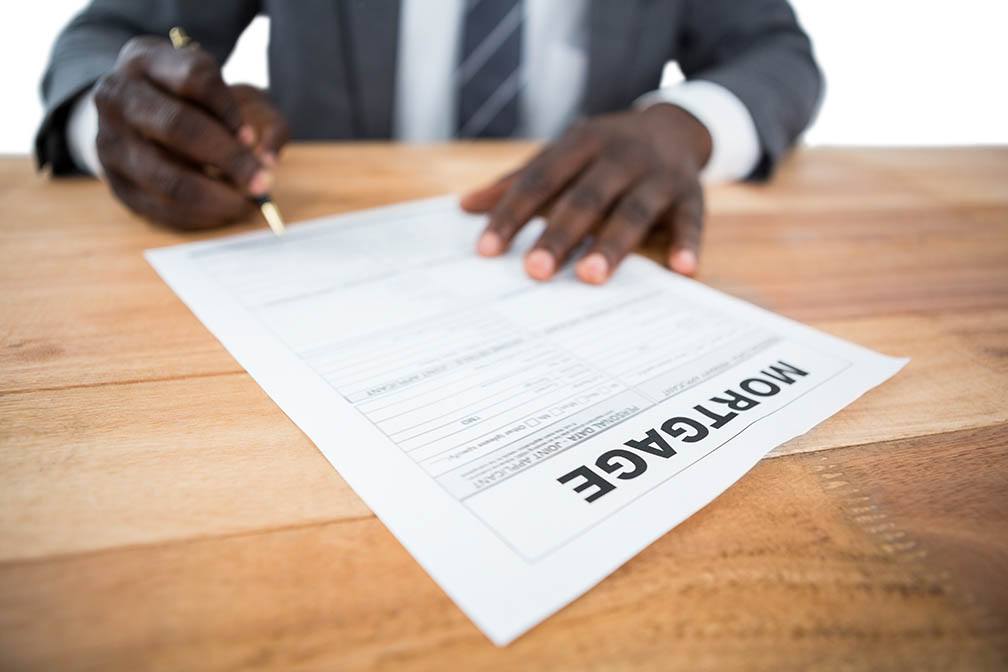 You may be so busy with determining your debt-to-income ratio and deciding what kind of offer to make that closing costs have gotten lost in the mix, but it’s important to remember that finalizing your mortgage will cost you extra. While there’s no way to get around paying money to solidify your mortgage, there are a few steps you can take in order to make it more economical for you.
 Most people do not look forward to tax time, whether they get money back or not, but as a homeowner there are a lot of things you can do that will help to reduce your taxes and get you a refund. If you’re getting prepared to invest in a home and are wondering how it can benefit you, here are some deductions you’ll want to watch out for.
 Last week’s economic news included Case-Shiller Home Price Index reports, pending home sales, and consumer confidence readings. Weekly readings on average mortgage rates and new jobless claims were also released.
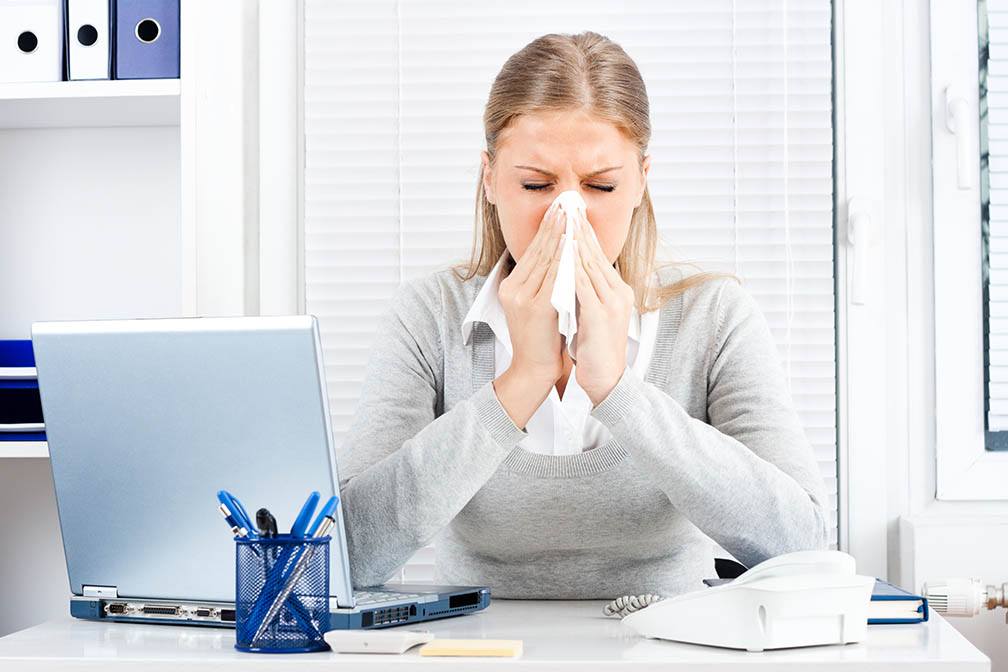 The spring season may be a time of cherry blossoms and longer days, but it’s also common for allergies to ramp up. While you won’t be able to stop the season, there are things you can do to limit the impact of allergies in your home. If you’re wondering what has the greatest impact on your sinus health in the home, here are a few places you’ll want to check out.