 Last week’s economic reports included construction spending, personal income, and multiple reports on employment. Freddie Mac’s mortgage rates survey and new jobless claims were also released.
Construction Spending Dips in June
According to the Commerce Department, construction spending fell in June to -0.60 percent as compared to expectations of an increase of 0.50 percent and May’s reading of -0.10 percent. Spending was even across public and private construction spending. The Commerce Department said that construction spending on June rose to $1.13 trillion was 0.30 percent year-over-year and was 6.20 percent higher for the first six months of 2016 as compared to the same period in 2015; construction spending appears to be trending upward in spite of recent month-to-month declines.
Consumer spending rates in June met expected growth of 0.40 percent and matched May’s reading. Core consumer spending fell to 0.10 percent in June according to expectations, which were based on May’s reading of 0.20 percent.
Labor Reports Indicate Stronger Economy
Inflation remains lower than the Federal Reserve’s annual rate of 2.00 percent, but labor news released last week supports reports of strengthening economic conditions. ADP Payrolls, which covers private-sector job growth, reported 179,000 jobs added in July as compared to June’s reading of 176,000 jobs added.
Non-farm payrolls grew by 255,000 jobs as compared to expected growth of 185,000 jobs. Neither July’s reading nor did expectations of 185,000 jobs added meet June’s reading of 292,000 jobs added, but analysts and media reports touted private and public sector job growth as a strong indicator of economic recovery.
The national unemployment rate held steady at 4.90 percent against expectations of 4.80 percent and June’s reading of 4.90 percent. Analysts said that this reading was better than it appeared due to more people joining the work force in July.
Mortgage Rates Lower:Jobless Claims Rise
Mortgage rates fell across the board last week according to Freddie Mac. 30-year fixed rates averaged 3.43 percent, which was five basis points lower than the previous week. Average rates for a 15-year fixed-rate mortgage fell by four basis points to an average of 2.74 percent. The average rate for a 5/1 adjustable rate mortgage fell five basis points to 2.73 percent.
New jobless claims rose to 269,000 against expectations of 263,000 new claims and the prior week’s reading of 266,000 new claims. There’s good news; new jobless claims remained below the key reading of 300,000 for the 74th consecutive week.
What‘s Ahead
This week’s scheduled economic news includes releases on retail sales and consumer sentiment along with weekly reports on new jobless claims and mortgage rates.
 Selling your home can be an extremely emotional process, but it’s important that you don’t let your emotions get the best of you. Learn which common mistakes emotional sellers make when selling their home so that you can identify them during your own sale and overcome them before it’s too late.
 Sometimes a move is unavoidable, regardless of how much you or your kids’ would rather stay in your current home. If your young ones are not looking forward to a change in scenery, here are a few tips to help them make a smoother transition into their new home.
 Renting is hard. It’s easy to get lost in the length and language of rental agreements, but it’s important not to get discouraged when that happens. Rental agreements are fundamental documents that lay out the details of your tenancy, so when you’re ready to negotiate their terms, give them the attention they deserve with the help of these tips.
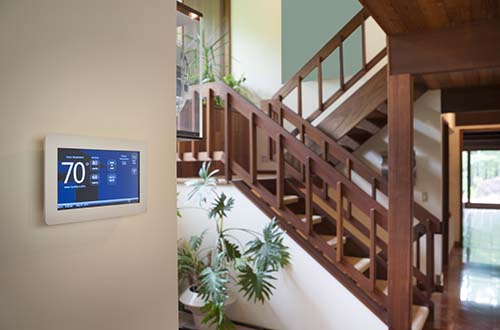 It’s no secret that high-tech homes can provide a more effortless living experience while also being just really, really cool. If you’re looking to up-the-ante and introduce high-tech gadgets into your home, check out our top three smart-home suggestions:
 Last week’s economic reports included S&P Case-Shiller Housing Market Indices, reports on new and pending home sales, Freddie Mac’s weekly mortgage rates survey. The Federal Reserve released its customary statement after the scheduled Federal Open Market Committee meeting concluded; the Committee did not raise the federal funds rate of 0.25 percent, but indicated that economic risks were fewer, which suggested that the key Fed rate may be increased in September.