 Getting an offer on your house is the first step in getting it sold, but buyers often feel that they have to come in lower than your asking price. After all, everyone wants the deal to work out in their favor. If the offer you received isn’t quite what you hoped, you can always make a counter-offer. Getting the details right can help make your deal go more smoothly.
Deciding On A Price
When your real estate agent helped you set the price of your home, you already had an idea of what it should fetch in the marketplace. If the offer wasn’t far off from your asking price, it’s acceptable to counter with your original asking price. Many buyers could be willing to pay full price. If you feel that technique is a bit brazen for your style, you could instead drop the original price by a few thousand dollars.
Another technique is to try to “meet in the middle”. For example, if there’s a $10,000 difference between the asking price and the offer price, you might offer to drop the price $5,000. Of course, the bigger the difference, the less enthusiastic you’ll be about dropping your price.
Factors To Consider
Keep in mind that the actual selling price of the house isn’t the only thing that will be negotiated. If you’re giving in a little bit, then you should expect to get a bit in return, but the same is true for the buyer. For example, a first-time homebuyer might not have a lot of money for a down payment. If you counter with an offer that’s too high, they might respond with another offer accepting the price, but asking for seller’s concessions at closing time.
Additionally, as you start to come down in price, you might consider taking out items that you might have included in the original offer, such as high-end appliances.
Don’t Forget The Fine Details
Discuss the details of what you want with your real estate agent. They’ll be able to let you know if you’re making the right move, considering the current market in your area. They may also have information about the buyers, such as an educated guess about how high they’re willing to go. Your agent will also have all the paperwork you need readily available. In most cases, all you have to do is fill in the blanks in a few spaces.
You want the highest price for your home, but getting the best deal is often a delicate dance. Know your limits and work together with the buyers to reach an agreement that is mutually beneficial.
 San Francisco, California where home prices rose 10.30 percent year over year in March, and Denver, Colorado with an even 10 percent gain in year-over-year home prices led the Case-Shiller 20-City Composite Index for March. Rounding out the top-five cities for year-over-year home price growth were Dallas Texas at 9.30 percent, Miami, Florida at 8.70 percent and Tampa, Florida with a year-over-year average gain in home prices at 8.10 percent. San Francisco’s reading for March was the first double-digit increase in home prices since last July.
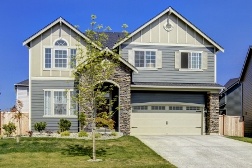 Last week’s economic reports included several readings related to housing The Wells Fargo/National Association of Home Builders Housing Market Index, the Commerce Department’s releases on Housing Starts and Building Permits, and the National Association of Realtors® report on Existing Home Sales supplied mixed news on recent developments in housing. Freddie Mac and the Labor Department released their usual reports on mortgage rates and weekly jobless claims. The details:
 In many areas, the spring months mean warmer temperatures, more sunshine and plenty of beneficial rainfall that your yard may thrive with. These are prime growing conditions for your lawn, but they can also make lawn maintenance a challenge. By following these helpful tips, you can take better care of your yard during the rainy spring season.
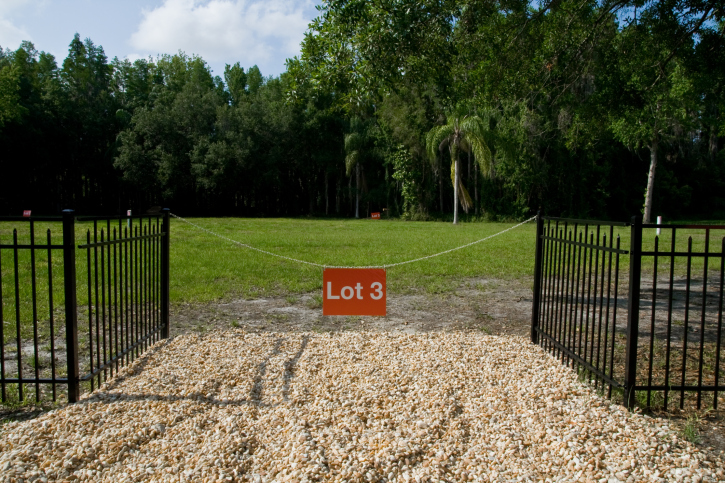 When many people think about investing in property, they think about purchasing income-producing real estate such as a residential property or an office building with tenants. There are indeed many benefits associated with investing in income-producing property. For example, these properties may produce rent that can offset your ownership expenses. However, buying raw land can also be an excellent long-term investment strategy.
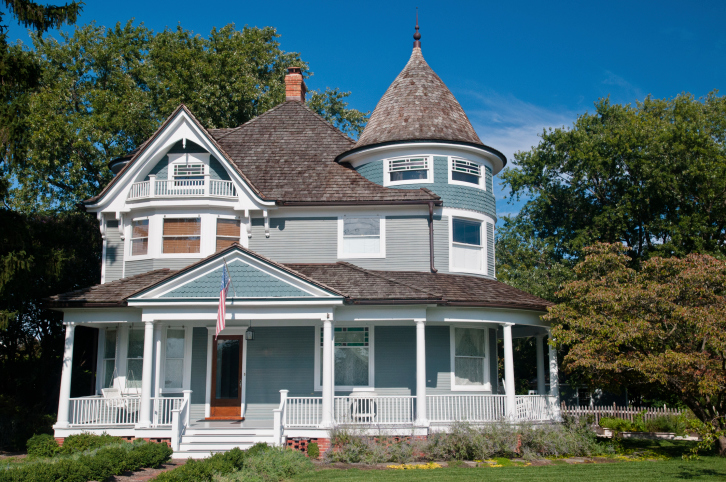 While some home buyers only want to live in a brand new home and will custom build a home to their specifications, others are drawn to the historic character and charm of a classic home. Older homes may have incredible architectural detail and special features that you simply do not want to change. However, there are some essential features that should be upgraded as soon as possible after you take ownership of your classic home.