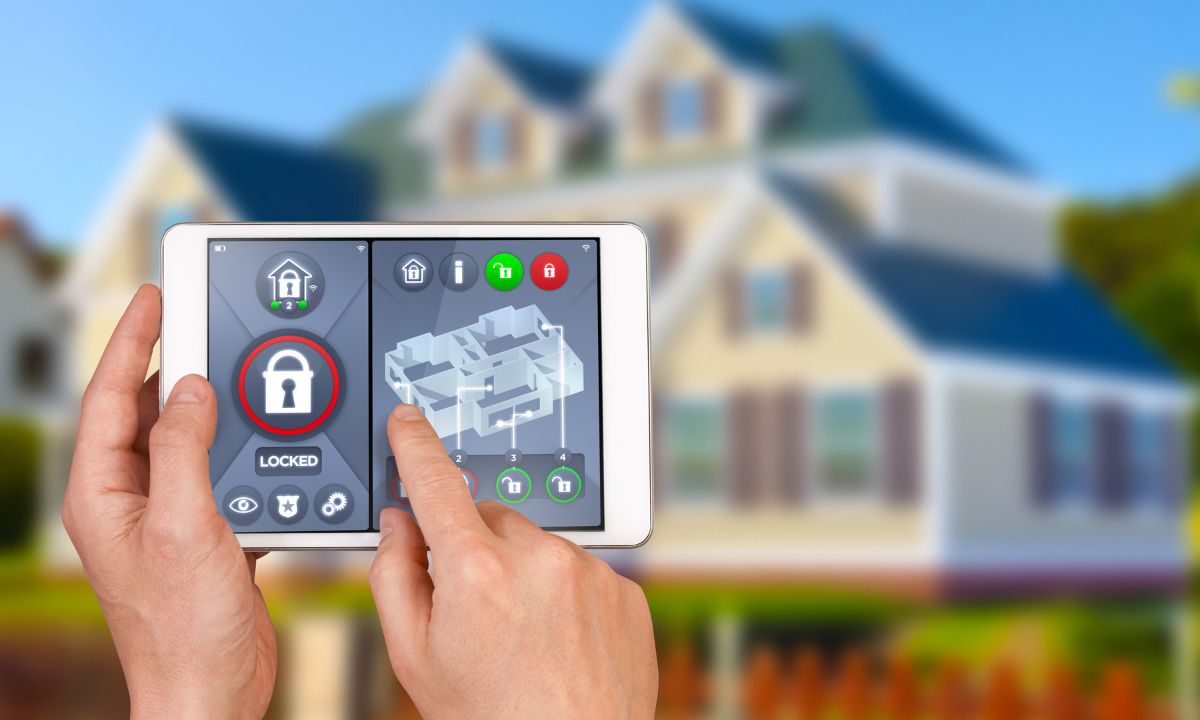
 Smart homes are rapidly reshaping the real estate landscape, promising unparalleled convenience, security, and sustainability. With automation and connectivity at their core, these homes represent the forefront of technological innovation, offering homeowners unprecedented control over their living environments.
The rise of smart home technology is driven by its ability to streamline daily tasks and enhance quality of life. From automated lighting and thermostats to voice-activated assistants, these systems simplify household management and create personalized experiences tailored to individual preferences.
Security is a paramount concern for homeowners, and smart home solutions offer peace of mind through integrated surveillance cameras, motion sensors, and smart locks. Real-time monitoring and remote access capabilities enable homeowners to keep tabs on their property from anywhere, mitigating risks and ensuring safety for occupants.
Energy efficiency is another key driver of smart home adoption, with technologies like smart thermostats and lighting systems optimizing energy usage and reducing utility costs. By integrating renewable energy sources and promoting sustainable practices, smart homes contribute to environmental conservation and long-term savings for homeowners.
In the real estate market, smart home features have become increasingly desirable, influencing property values and buyer preferences. Builders and developers are responding to this demand by incorporating smart technology into new construction projects, catering to a tech-savvy clientele seeking modern amenities and future-proofing.
Real estate professionals recognize the value of smart home technology as a selling point and differentiator in a competitive market. Listings showcasing smart features attract buyers looking for convenience, security, and energy efficiency, driving demand for homes equipped with advanced automation and connectivity.
Looking ahead, the future of smart homes holds immense potential for innovation and evolution. As technology continues to advance, the integration of artificial intelligence, machine learning, and predictive analytics will further enhance the capabilities of smart home systems, creating intelligent environments that adapt and respond to occupants’ needs in real time.
In conclusion, the future of smart homes is characterized by innovation, sustainability, and interconnectedness. By embracing automation and technology, we can create homes that not only enhance our daily lives but also promote environmental stewardship and redefine the way we experience home. As we navigate this era of digital transformation, the possibilities for smart homes are limitless, reshaping the future of real estate and revolutionizing the way we live.
 Those who are involved in the real estate industry likely know that mortgage rates are at an all-time low. At the same time, nobody wants to pay more for a house than they have to. Some of the most important factors that dictate how much someone is going to pay for a house include points and interest rates.
 The contemporary trend towards expansive dimensions is palpable in various aspects of modern life. Oversized soft drinks, large fast-food meals, and expansive smartphones have become ubiquitous. However, one unlikely sector experiencing a similar trend is the realm of mortgages.
 In recent years, solar panels have emerged as a sustainable and environmentally friendly solution to power generation. As the world continues to grapple with the effects of climate change, the adoption of solar energy has gained momentum. Beyond its positive impact on the environment, many individuals and businesses are also drawn to the potential savings associated with solar panel installations. However, amidst the growing popularity of solar energy, several myths and misconceptions persist.
 It was an uneventful week for the data reports, as the majority of the interest waits for the Federal Reserve’s rate decision heading into the following week. One of the most notable reports is for New Home Sales, which had managed to greatly exceed the projections for the end of the year moving into January. It is an early sign that there is a surge in response to the week-to-week rate cuts we have been observing over the last two weeks.
 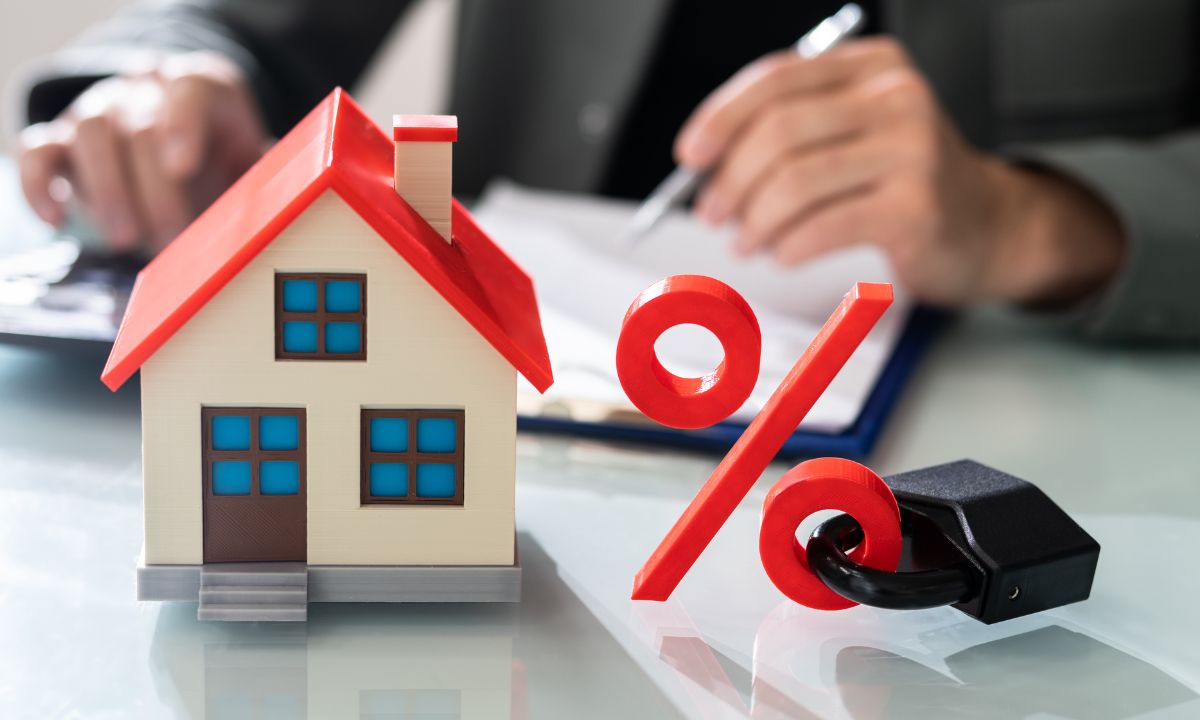 Rate locks play a crucial role in the mortgage application process, helping borrowers secure a favorable interest rate for their home loans. Here’s an explanation of the importance of rate locks and when and how to secure the best rate: