 Many buyers anticipate the day they drive to their new home. Then it happens: the movers pull up. It’s time to move everything in. This can be a daunting task, but following a few steps will break down the work and careful planning will maximize space in the years ahead.
Clear Your Space
Go through each room to make sure the seller removed all belongings. Contact the real estate agent if the seller did not do this. Check the condition of all surfaces to determine how much preparation may be required.
Place Boxes In Correct Rooms
Boxes should be marked by room and either carry a label detailing what’s inside or be matched to a list showing what’s inside. Put each box in the correct room.
Place Boxes In Order Of Need
In each room, place boxes that will not be immediately needed against the far wall. Place boxes needed sooner in front of or on top of those boxes.
Eliminate Excess Items
If this wasn’t done while packing, buyers should stop any unwanted belongings from being taken into the house.
Create A Strategy
Unpacking does not have to be done in one day. Create a strategy for unpacking in three steps: immediate, secondary, and long-term needs.
Immediate Unpacking
Unpack what you need in the next couple of days. This will include bedding, toiletries, basic cooking equipment, and a few changes of clothing.
Secondary Unpacking
In the first week, unpack secondary items. Each day, unpack these items for one or two rooms. In the bedroom, for example, unpack your clothing and accessories. In the kitchen, unpack the rest of what you use for everyday cooking and eating. Do the same for other rooms.
Long-term Unpacking
By the end of the first month, decide what you are going to do with items you don’t use every day. Use extra closets, cupboards, basement or storage rooms, outdoor sheds, and the like. Remember where you put things so you can find them later.
Organize as You Go
Put items away in an organized fashion. Don’t just haphazardly unpack and toss things. It’s better to unpack more slowly and take time to put things away thoughtfully.
Call your real estate agent for moving-in tips and lists to track belongings. Take your time with unpacking and you will create a home where you can find things easily, maintain livable spaces, and enjoy a spacious environment.
 Light is an important design element that can be used to influence your interior decor in a number of ways. In fact, you can experience a major transformative change on the overall style and ambiance of a room by making a few simple lighting changes. Consider how these ideas can help you to improve the look of your space with great results, and think about ways that you can improve your space by making a few changes.
 In most parts of the country, garages are especially appreciated at this time of year. Even if you don’t live in a colder climate, it’s important to do an annual inspection and routine maintenance to keep everything in working order.
 Are you feeling the “renovation itch” or perhaps looking for a fun project that you can take on which will provide you with a return on your investment? There are numerous home upgrades and renovations that can add value to a home without costing a large sum of money to complete.
 While many people claim every January that they are going to exercise more, a lot of them give up after the first couple of months. It takes a great deal of effort to make it to the gym before work or have the energy to go afterward.
 In the cold winter months, you’ll probably want to be outside enjoying the snow when you get a chance – perhaps building a snowman or having a snowball fight with the kids. However, you’ll get cold, and you’ll want to come inside to your well-heated home.
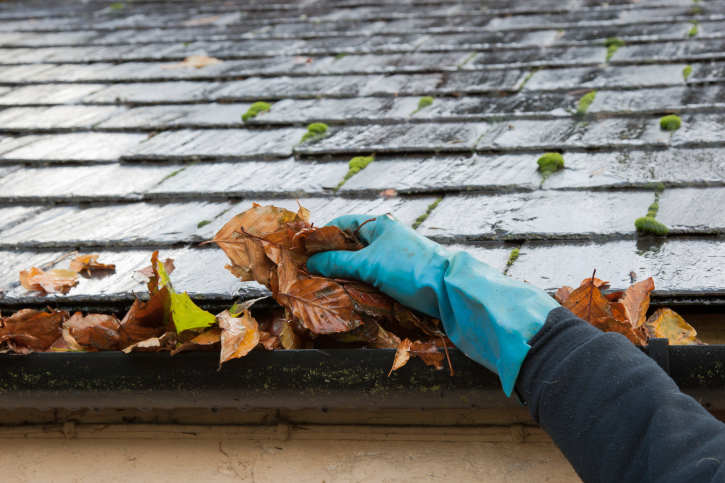 Have you prepared your home for the winter? With colder temperatures starting you’ll need to spend an hour or two getting your home ready to deal with the possibility of harsher weather and below-freezing temperatures, depending on where you live. Let’s take a look at a few quick home maintenance tips that will help you get your house ready for the cold of winter.
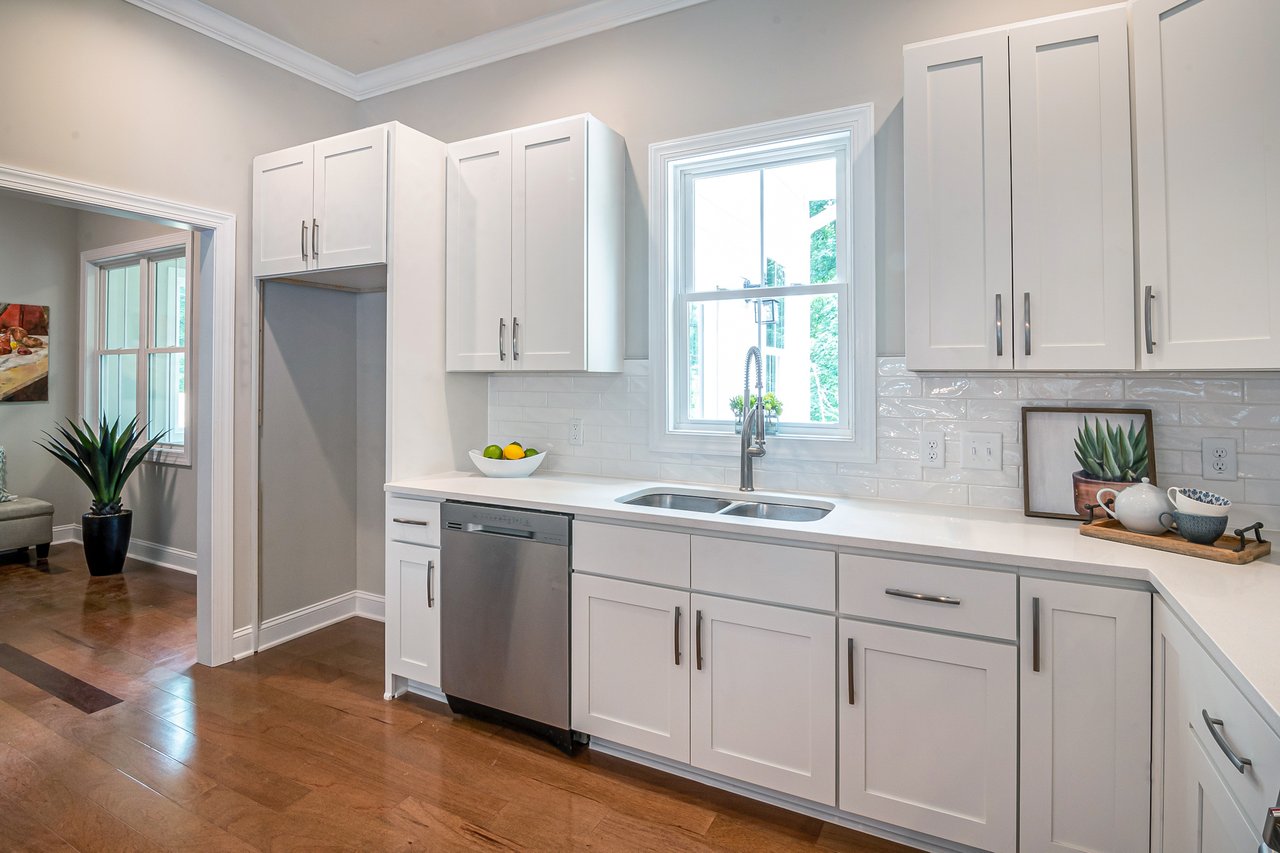 Kitchen space is a valuable commodity. If you feel stretched for storage space, you could throw away all the flatware your mother-in-law gave you, or you could keep the flatware and learn to use the space you have – more efficiently.
 So you’ve found the perfect home, but there’s just one problem: the kitchen isn’t as big as you’d like it to be. At first glance, a smaller kitchen might seem like a deal-breaker, especially if you love to cook.
 In some homes, garages are used only for car storage. They may appear to be bare and without real functional use for homeowners. However, other garages may be an envy of the neighborhood – they may have floor to ceiling shelving systems, and they may be the picture-perfect image of organization.