 Many people make the decision to move from the country or the suburbs into the heart of the downtown area for a number of reasons, such as to enjoy proximity to work or to enjoy the urban lifestyle. With the higher cost of real estate in central urban areas and with real estate space at a premium, many who make the decision to relocate will need to downsize from a larger house to a smaller condo or apartment. While this can be challenging, it can be accomplished by following a few steps.
Choose The Right Pieces To Keep
When downsizing from a larger house to a smaller apartment or condo, it is often necessary to get rid of some furnishings. It is important to select furnishings that are best suited for the size of the new space as well as the individual’s needs. Items that will not have a place in the new home can be donated, stored in a storage unit or given to a family member or friend.
Think About Storage
When living space is downgraded, storage of everything from dishes to linens and clothing becomes a concern. Storage features in downtown apartments and condos is often minimal, and this means that those moving into these units may need to invest in special storage features. For example, storage bins that can slide under the bed, pull-out features for kitchen cabinets and various other types of storage features can all be put to use to improve organization and to maximize the limited amount of space available in the property.
Get Back To The Basics
While storage features can be useful, the fact is that most people who are making this transition will need to get rid of some of their items or store them in a storage unit. A smart idea is to consider only the basic items that are truly necessary for living as a first step. If space permits, additional luxury items can be added to the space provided there is room in the apartment or condo.
Downgrading from a larger home to a smaller living space can be frustrating and stressful, but eliminating the unnecessary items and improving storage and organization can go a long way toward streamlining this process. Those who are searching for a new place to live in the city can request personal assistance from their trusted real estate professional.
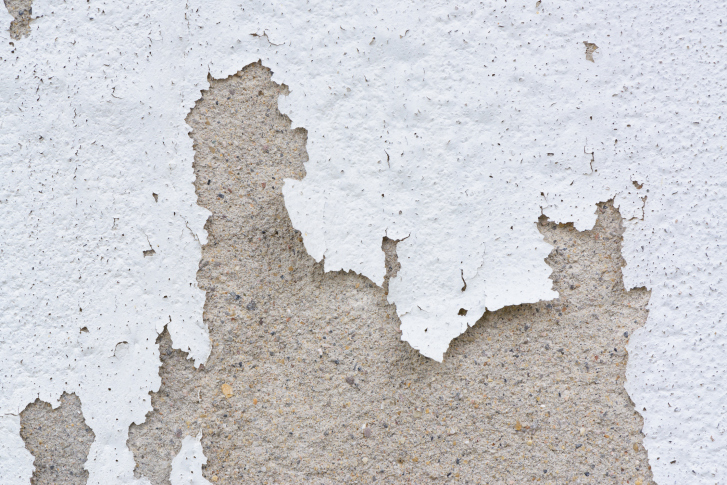 From the sales price to the general layout of the building, there are numerous factors that buyers will consider when touring homes. While there are specific factors that buyers may be searching for in a new house, there are also a few warning signs that home buyers should keep their eyes open for. The following are among the top red flags that may serve as warning signs.
 Selecting the right home to purchase for a family is a monumental task, and this process can seem even more challenging for those with a large or growing family. A common goal may be to give everyone ample space to stretch out and feel relaxed, but some home buyers may also be focused on other factors like location, cost and even the general style of the home. While choosing the perfect home for a large or growing family is not easy, the process can be simplified by focusing on a few points.
 While some home buyers only want to live in a brand new home and will custom build a home to their specifications, others are drawn to the historic character and charm of a classic home. Older homes may have incredible architectural detail and special features that you simply do not want to change. However, there are some essential features that should be upgraded as soon as possible after you take ownership of your classic home.
 The process of buying a home can be riddled with obstacles. However, you can avoid many of the most common home buying pitfalls with some advanced preparation. Below are some of the most frequent problems home buyers face, as well as tips for avoiding them.
  When buying a new home, you may have a close eye focused on your budget and expenses, and your goal may be to keep related expenses to a minimum. However, you may also be well aware that a real estate purchase is a legal transaction, and you may be wondering if you need to pay for legal services from a real estate attorney. With a closer look, you can make a better decision that is right for your home buying plans.
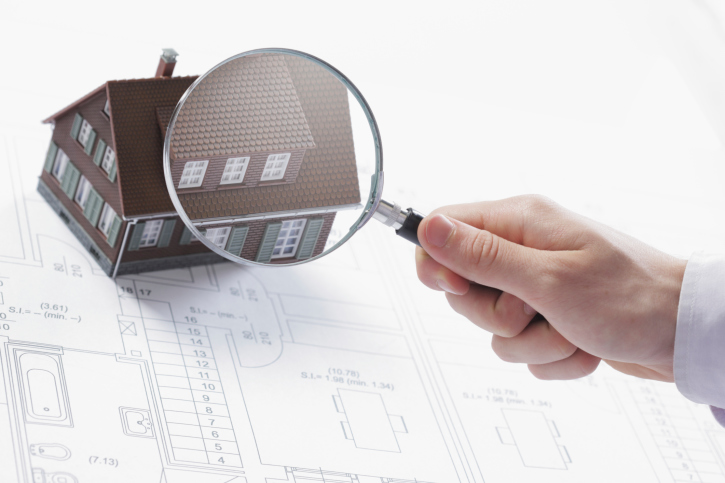 As a home buyer, you may go through a number of different steps to ensure that the property that you purchase is in great condition. For example, you may complete an initial walk-through or even several home tours before you make an offer. You may also order a property inspection and even negotiate for the seller to make some repairs on your behalf.
 When you buy a home, you may have dreams of settling into a beautiful new space that meets your needs and that your family can feel comfortable in. While many will enjoy this vision of domestic tranquility after taking ownership of their dream home, others have had their dream turn into a veritable nightmare due to some simple mistakes or oversights on their part. By understanding these mistakes, you can avoid making them yourself.
 Whether you are preparing to purchase your first home or it has been many years since you last walked through the home buying process, you may be starting to feel overwhelmed at the thought of all of the work that lies in front of you. From concerns about finding the right home to the physical act of relocating all of your belongings after the closing, there is certainly a lot to think about. While each home buying transaction is unique, the most successful home buyers have typically adopted a few behaviors. You may keep these in mind to help you navigate through the process with success.
 Finding a proper mortgage loan and understanding the processing procedures behind the loan is the basis of good research. The down payment on a mortgage loan is typically significant when dealing with mortgage insurance.