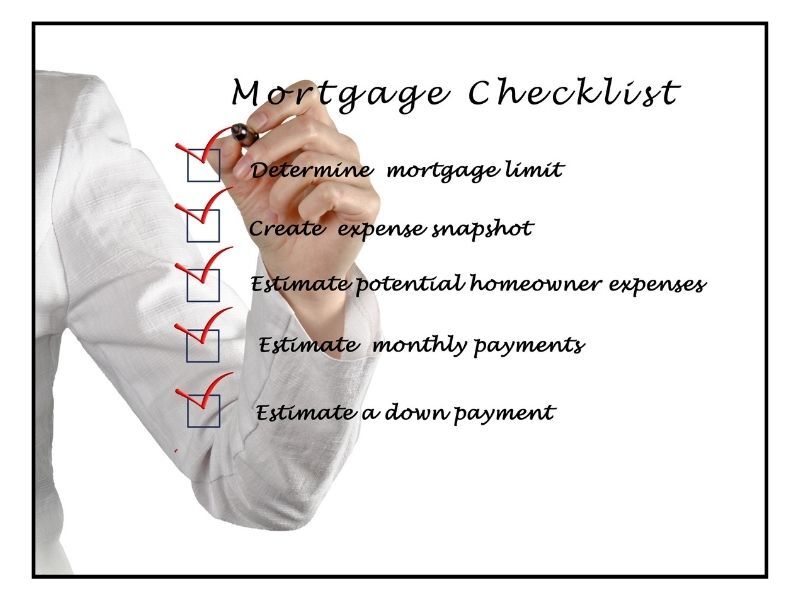
 Have you finally found your dream home after months of searching, and then you are told that the seller has received other offers? No buyer wants to find themselves in a bidding war against another buyer as it is a stressful situation. Being unprepared and not having your finances in order will make it even more stressful. Here are a few quick ways if you’re looking to speed up your mortgage approval process, here’s a checklist to help you prepare:
· Review your credit report: Maintain a good credit score by paying bills on time, reducing existing debt, and avoiding new credit inquiries. Check your credit report for errors and make sure your credit score is in good shape. A good credit score can positively impact the approval and interest rate you receive.
· Gather financial documents: Gather all necessary paperwork beforehand, including pay stubs, tax returns, bank statements, and any other financial documentation. Having these readily available will expedite the application process.
· Save for a down payment: A larger down payment can reduce the risk for lenders, making them more inclined to approve your loan faster. It can also decrease the time needed for certain approval processes.
· Stay at your job: It’s best to avoid changing jobs during the mortgage approval process.
· Avoid new credit: Don’t apply for new credit or take on new debt during the approval process.
· Don’t make big purchases: Avoid making large purchases, such as a car, during the approval process.
· Respond promptly to requests: Once you’ve applied for a mortgage, respond promptly to any requests from your lender. Delays often occur when there’s a lack of communication or slow responses to queries or requests for additional information.
· Work with a reputable lender: Choose a lender with a good reputation and experience in the mortgage industry.
· Get pre-approved: Consider getting pre-approved for a mortgage before house hunting to speed up the approval process.
Stay informed about the process and ask questions if you’re unsure about any step. Following this checklist can help speed up your mortgage approval process and make the process smoother and less stressful. Good communication with your lender is key to ensuring a smooth and expedited process.
 Buying a home, a car, or any significant investment often involves making a down payment. The down payment is a crucial part of the purchasing process, as it can impact your loan terms, interest rates, and monthly payments. But how much should you save for a down payment, and why is it so important?
 Buying a home is one of life’s significant milestones, but it often comes with a significant price tag. Fortunately, the sticker price on a house isn’t always set in stone. When buying a home, negotiating certain costs can save you a significant amount of money. Here are some costs that every homebuyer should negotiate:
 If you’re worried about your bad credit, you’ll want to do everything in your power to improve your rating as quickly as possible – especially if you have a major purchase coming up. Improving your credit rating can give you access to better interest rates on mortgages or even help you to get that job you’re after.
 If you’re worried about your bad credit, you’ll want to do everything in your power to improve your rating as quickly as possible – especially if you have a major purchase coming up. Improving your credit rating can give you access to better interest rates on mortgages or even help you to get that job you’re after.
 You’ve scoured the new home listings, been to all the open houses and have finally found the home of your dreams. It is now time to draft an offer and begin the negotiation process. Below we’ll share four mistakes that you will want to avoid when making an offer on your dream home.
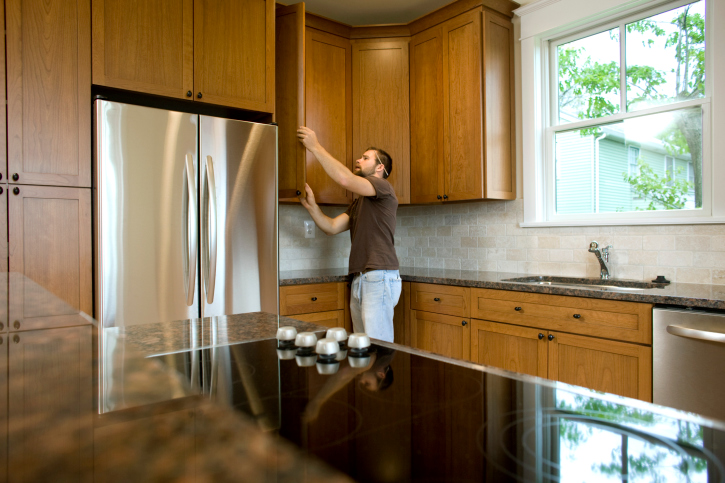 It’s not uncommon for homebuyers to recount horror stories about properties that appeared to be fine at first glance, but were actually hiding very expensive problems. If you fail to do your due diligence, you might find your dream house turning into a nightmare. The next time you walk through a house, pay attention for these five signs that the property might be hiding a unfortounate secret or two.
 Whether you’re just out of college, recently married or simply haven’t jumped into the market yet, buying your first home is an exciting prospect. It can also be an expensive one, which is why most people will take out a mortgage to help finance the cost.
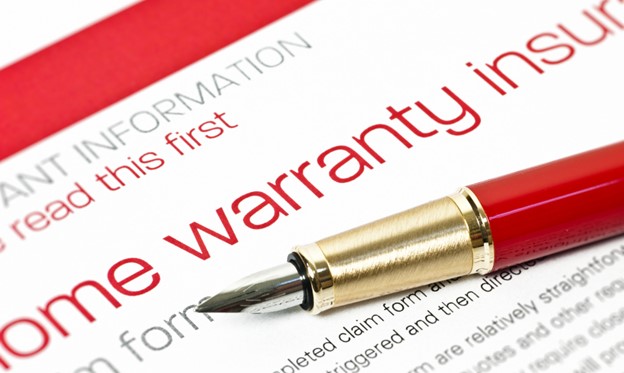 A home warranty is a type of service contract that provides coverage for repairs or replacements of major systems and appliances in a home. It typically covers items such as heating and cooling systems, electrical systems, plumbing, water heaters, and kitchen appliances.