
• Texas Real Estate Commission Consumer Protection Notice
  • Texas Real Estate Information About Brokerage Services

Navy Fellas Realty Group

Real Estate, Residential sales and purchase

  • Home
  • About Us
    • About James
    • About Ashley
    • About Our Team
    • Accessibility Statement
  • Property Search
  • Resources
    • Home Buyer Tips
    • Home Seller Tips
  • Video Walkthroughs
    • Saratoga Homes (Plantation Lakes -Katy, Tx.)
    • David Weekly Home (Towne Lake)
    • Taylor Morrison Home (Alder Trails)
    • Ashton Woods (Towne Lake)
  • Blog
  • Contact

What to Weigh Before Moving Your Family to a New School District

January 30, 2026 by James Scott

Choosing a home often means choosing a school district, and for many families, this becomes one of the most important parts of the homebuying process. A strong school district can support your child’s education, shape daily routines, and even influence long-term property value. As real estate professionals, we help families evaluate school districts not just academically but practically, so they can make a choice that supports both their lifestyle and their investment.

Consider the Academic Reputation of the District
Academic performance is usually the first factor familiesí review. Test scores, graduation rates, teacher qualifications, and school rankings offer a general picture of a districtís strengths. While these metrics are helpful, it is also important to look at class size, program diversity, and available support services. A high-ranking school is valuable, but the right fit depends on your childís learning style and needs.

Evaluate the Daily Commute for Kids and Parents
School district boundaries can greatly affect your family’s schedule. Longer commutes may mean earlier mornings, more time in the car, and challenges with after-school activities. When considering a new district, map out the distance between school, home, and each parent’s workplace. A shorter, smoother commute often results in less stress and more time together as a family.

Look at Extracurricular and Special Programs
Many parents choose school districts not just for academics, but for special programs. Athletics, music, advanced placement courses, STEM offerings, and special education services can vary widely between districts. If your child has specific interests or needs, make sure the district supports them. A home in a district with strong programs can be a long-term advantage for your entire family.

Pay Attention to Property Taxes and Housing Costs
Homes in sought-after school districts often come with higher price tags and higher property taxes. While these areas tend to maintain strong resale value, they also require a realistic budget. Before moving, compare taxes, home prices, and long-term affordability. A district with excellent schools may be worth the investment, but it should still fit comfortably within your financial plan.

Consider the Community and Neighborhood Culture
A school district is part of a larger community. Look at parks, libraries, sports leagues, and neighborhood events. Many families prefer areas with strong community involvement because it creates a supportive environment for both kids and adults. Visiting playgrounds, attending open houses, or touring the area on weekends can help you get a true sense of the neighborhood.

Moving to a new school district is a big decision, but when you carefully weigh academics, lifestyle, affordability, and community, you can choose a location that supports your child’s growth and strengthens your long-term investment. The right district should work for your family today and continue to fit your needs as your children grow.

Filed Under: Homebuyer Tips Tagged With: Home Buyer Tips, Real Estate Tips, School Districts

Uncovering the Hidden Issues Beyond Real Estate Inspections

January 15, 2026 by James Scott

Purchasing a home is one of the most significant financial investments one can make in one’s lifetime. However, beneath the glossy exterior of a prospective dream home lies a world of hidden issues that can have a profound impact on your investment.

While a traditional home inspection is a crucial part of the process, there’s more to consider beyond the surface. Let’s explore the importance of going beyond standard home inspections to uncover the hidden issues in real estate transactions and how they can save you from future headaches.

The Basics of Home Inspections

Before delving into hidden issues, it is important to first understand the fundamentals of home inspections. A standard home inspection typically covers the evaluation of a property’s structural integrity, mechanical systems, and overall condition. A certified home inspector examines visible aspects like the roof, plumbing, electrical systems, and the foundation, identifying any potential issues or necessary repairs.

However, it’s essential to recognize that a traditional home inspection has its limitations. Inspectors can only assess what’s visible and accessible during their visit, and they may not delve into deeper, hidden issues. This is where the need to go beyond standard inspections arises.

Hidden Issues in Real Estate Transactions

Mold and Mildew: Mold and mildew thrive in damp, dark, and hidden spaces. These issues can significantly affect indoor air quality and pose health risks to inhabitants. While inspectors may identify visible signs of mold, it’s crucial to consider comprehensive mold testing, especially if the property has a history of moisture problems.

Pest Infestations: Termites, rodents, and other pests can wreak havoc on a home’s structural integrity. Detecting these issues often requires specialized inspections. Pests can go unnoticed during a standard inspection, and their presence can lead to extensive and costly damage.

Electrical and Plumbing Within Walls: While a standard inspection can identify issues with visible electrical and plumbing systems, it doesn’t encompass what lies behind walls. Older homes, in particular, may have outdated wiring or plumbing that could be a hidden hazard.

Environmental Hazards: Hidden environmental hazards like radon, asbestos, or lead-based paint can have serious health implications. These require specific inspections to detect and address properly.

Foundation and Structural Problems: Some foundation issues may not be apparent during a standard inspection. These can lead to structural instability, which is a costly problem to rectify.

Unpermitted Additions or Renovations: Not all homeowners obtain the necessary permits for home improvements. Unpermitted additions or renovations can create legal and financial complications down the road.

How to Uncover Hidden Issues

Hire Specialized Inspectors: In addition to a general home inspection, consider specialized inspectors for particular concerns such as mold, pests, or environmental hazards. These professionals can identify issues that might be hidden from a standard inspector.

Review Property History: Research the property’s history for any known issues or renovations. Local building departments often hold records that can provide insights.

Consult a Real Estate Attorney: A real estate attorney can review property documents, such as titles and deeds, to uncover any potential issues. They can also help navigate legal aspects of the transaction.

Request Seller Disclosures: In many jurisdictions, sellers are required to disclose known issues with the property. Request these disclosures to gain a better understanding of potential hidden problems.

Purchasing a home is a significant life decision, and it’s essential to go beyond the surface during the real estate transaction process. While a standard home inspection is vital, it may not uncover all hidden issues that could affect the value and safety of your investment.

By hiring specialized inspectors, conducting thorough research, and seeking expert advice, you can make more informed decisions and protect yourself from costly surprises down the road. Remember, knowledge is power, and the more you uncover about a property, the better prepared you’ll be for your real estate journey.

Filed Under: Homebuyer Tips Tagged With: Electrical, Home Inspection, Mold

A Comprehensive Guide to Explaining Escrow Accounts

January 14, 2026 by James Scott

Whether you’re a first-time homebuyer or a seasoned homeowner considering a refinance, the term “escrow account” often looms as a source of confusion. Yet, understanding the ins and outs of escrow accounts is crucial for managing your homeownership responsibilities effectively. In this article, we’ll address some common questions and concerns regarding escrow accounts to shed light on their importance and functionality.
What is an Escrow Account?

Escrow accounts, sometimes referred to as “impound” accounts, serve as a financial mechanism to facilitate the payment of property taxes and homeowner’s insurance. Typically, lenders require homeowners to contribute a portion of these expenses upfront, which is then deposited into the escrow account for disbursement.

Who Controls Escrow Accounts?

Lenders maintain complete control over escrow accounts. However, homeowners are entitled to receive an annual statement detailing their escrow balance. Should there be fluctuations in insurance premiums or tax assessments, homeowners can request a review of the escrow account to adjust payment amounts accordingly.

Is Interest Paid on Escrow Accounts?

Federal regulations do not mandate the payment of interest on escrow accounts. When refinancing a home, the funds allocated for taxes and insurance are factored into the overall mortgage payment, with the portion designated for these expenses placed in escrow.

What Happens During a Home Sale or Refinance?

Upon selling or refinancing a home, the escrow account is credited at closing. Homeowners may opt to apply the credited amount towards reducing out-of-pocket expenses or receive it as a direct payment.

Managing Shortfalls and Overages

In cases where the escrow account falls short of anticipated expenses, the lender may request additional payments from the homeowner to cover the deficit. Conversely, if there’s an overage in the escrow account, lenders have the discretion to refund the excess amount directly to the homeowner. Generally, shortfalls or overages of $50 or less are deemed negligible.

The Benefits of Escrow Accounts

For homeowners, escrow accounts offer a streamlined approach to managing recurring expenses associated with homeownership. By spreading out payments for taxes and insurance throughout the year, escrow accounts alleviate the burden of lump-sum payments, ensuring financial stability and peace of mind.

While escrow accounts may initially seem complex, they play a pivotal role in simplifying the financial aspects of homeownership. By understanding how escrow accounts function and their benefits, homeowners can navigate the process with confidence and clarity. Whether mandated by lenders or chosen for convenience, escrow accounts serve as a practical tool for effectively managing homeownership expenses. If you have questions or concerns regarding escrow accounts, don’t hesitate to consult with your lender or financial advisor for personalized guidance.

Filed Under: Homebuyer Tips Tagged With: Escrow, Mortgage, Real Esate

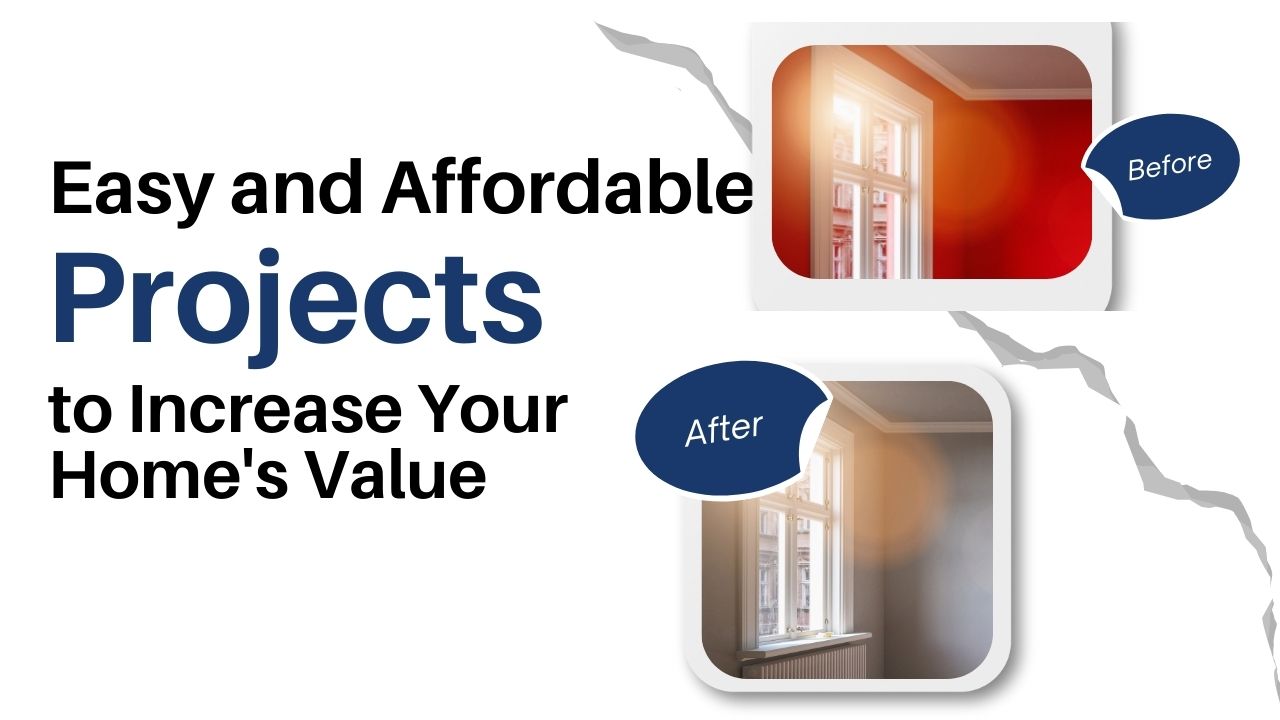
Easy and Affordable Projects to Increase Your Home’s Value

February 6, 2025 by James Scott

Whether you’re preparing to sell your home or simply want to enhance its appeal, increasing your home’s value doesn’t have to be expensive or time-consuming. With a few affordable projects, you can make your property stand out while staying within your budget.

1. Boost Curb Appeal

First impressions are everything, and your home’s exterior is the first thing people see. Repaint the front door in an inviting color like navy blue or classic red, replace worn-out doormats, and upgrade your mailbox for a fresh look. Add some colorful potted plants or flower beds near the entryway for extra charm. Maintaining a tidy lawn by mowing, edging, and spreading fresh mulch can also make your home shine.

2. Modernize Lighting Fixtures

Outdated light fixtures can make your home feel older than it is. Replace them with sleek, modern designs or energy-efficient LED lighting. For added versatility, install dimmer switches to create the perfect mood in any room. Don’t forget to update outdoor lighting to enhance safety and nighttime curb appeal.

3. Refresh with Paint

One of the easiest and most cost-effective upgrades is painting. Neutral colors like soft grays, warm beiges, or off-whites make spaces feel larger and more inviting. Don’t just focus on walls—refinishing cabinets, repainting trim, or even giving your garage door a fresh coat can breathe new life into your home.

4. Upgrade Kitchens and Bathrooms

Kitchens and bathrooms sell homes, but full renovations can be pricey. Instead, focus on smaller upgrades like replacing old cabinet hardware with trendy brushed nickel or matte black options. Install a peel-and-stick backsplash for a stylish, modern touch. Replacing faucets, re-caulking sinks, and adding new towel racks can make your bathroom look like new.

5. Add Smart Home Features

Smart home technology appeals to today’s buyers. Start small with devices like a programmable thermostat, smart light bulbs, or a Wi-Fi-enabled video doorbell. These affordable additions make your home feel modern and convenient without requiring significant investment.

6. Declutter and Organize

A well-organized home appears larger and more functional. Clear out clutter, organize storage spaces, and depersonalize rooms to allow buyers to imagine themselves living there. Invest in decorative bins or shelving to keep everything neat and stylish.

7. Create Outdoor Living Spaces

Outdoor spaces are in demand, especially in today’s market. Adding a small patio seating area, stringing up fairy lights, or installing a fire pit can turn an ordinary backyard into a cozy retreat. These upgrades not only add value but also expand your usable living space.

By focusing on these simple and affordable projects, you can maximize your home’s value without spending a fortune. Whether you’re getting ready to sell or just want to enjoy your space more, these upgrades can make a big difference.


Filed Under: Homebuyer Tips Tagged With: Affordable Upgrades, Home Value Boost, Real Estate Tips

How Much Money Do You Really Need to Save to Buy a House?

January 15, 2025 by James Scott

One of the biggest questions future homeowners ask is, “How much do I actually need to save before buying a home?” The answer depends on a few key components, but don’t worry—it’s easier to break down than you might think! Here’s an overview of what you need to save to step into homeownership confidently.

1. The Down Payment

The down payment is the first major cost to consider. The traditional 20% down payment isn’t your only option anymore. Many loan programs allow buyers to get started with as little as 3% down.

For example, if you’re looking at purchasing a home priced at $350,000, a 3% down payment would be $10,500. This lower requirement opens the door to homeownership for many buyers.

If you qualify for VA or USDA loans, you may not need to pay a down payment at all. However, keep in mind that a smaller down payment might mean additional costs, such as mortgage insurance, to protect the lender.

2. Closing Costs

Next, you’ll need to factor in closing costs, which cover a variety of fees associated with finalizing your home purchase. These typically range from 2% to 5% of the home’s price and include expenses like:

  • Loan origination fees

  • Title insurance

  • Home appraisal and inspection

  • Prepaid property taxes and insurance

On a $350,000 home, closing costs at 3% would add $10,500 to your upfront expenses. However, some lenders and sellers offer incentives or credits to help cover these costs, so it’s worth asking about these options during the process.

3. Emergency Fund

An emergency fund is a critical part of your financial preparation. Owning a home brings new responsibilities, and unexpected expenses—like a leaky roof or a broken appliance—can arise.

Experts recommend having at least three to six months of living expenses saved as a safety net. If your monthly mortgage payment is around $2,200, you should aim for at least $6,600 to $13,200 in your emergency fund. This provides peace of mind and ensures you won’t find yourself in a financial bind after moving in.

The Grand Total

Let’s put it all together. Here’s a rough estimate of what you’ll need:

  • Down Payment (3%): $10,500

  • Closing Costs (3%): $10,500

  • Emergency Fund (3 months): $6,600

Grand Total: At least $27,600 to comfortably buy a $350,000 home.

Remember, these numbers will vary based on the home price, type of loan, and any financial assistance programs you might qualify for. Some buyers may be able to save less, while others might choose to save more for added security.

Tips to Get Started

  1. Set a Savings Goal: Break down your total into monthly savings targets to stay on track.

  2. Explore Assistance Programs: Look into grants, down payment assistance, or first-time buyer programs in your area.

  3. Work with a Professional: A knowledgeable real estate agent or lender can help you navigate financing options and understand the true costs of homeownership.

If buying a home is on your horizon, now is the perfect time to start saving and planning. Whether you’re just getting started or ready to make a move, I’m here to guide you every step of the way. Let’s create a savings plan that works for your budget and timeline so you can step into homeownership with confidence.


Filed Under: Homebuyer Tips Tagged With: Budgeting For A Home, Home Buying Tips, Saving For A Home

How Younger Homebuyers Can Make A Dream Into Reality

December 19, 2024 by James Scott

For many younger individuals, especially those in Gen Z, the dream of owning a home can feel distant amid rising home prices, mortgage rates, and inflation. With these challenges, it’s easy to wonder if homeownership is truly within reach. While the current housing market may seem daunting, it’s important to know that it’s still possible to become a homeowner with the right strategies and support. With professional guidance, you can navigate the obstacles and achieve your goal of owning a home.

Here are some helpful tips for younger homebuyers to make their dream a reality.

1. Explore Your Options for a Down Payment

For many first-time buyers, the down payment is often the biggest hurdle. The good news is, there are several options available to help with this critical step. In fact, over 2,000 down payment assistance programs exist to make homeownership more achievable. Many younger buyers may not realize that putting 20% down isn’t always necessary. Depending on the type of loan and lender, a lower down payment could be sufficient. Additionally, a significant number of Gen Z homebuyers have received financial support from family members to help with their down payment. Working with a trusted mortgage professional can help you understand how much you’ll really need for a down payment and how you can take advantage of any available assistance programs or gifts.

2. Live with Loved Ones to Boost Your Savings

An increasing number of younger buyers are choosing to move back in with family or friends to boost their savings. By cutting down on housing costs, you can save a larger portion of your income toward your future home. According to Bankrate, 30% of Gen Z homebuyers move directly from living with family to purchasing a home of their own. This strategy helps increase your financial security, allowing you to reach your savings goal faster while benefiting from lower living expenses.

3. Cast a Broad Net for Your Search

Once you’ve saved enough for a down payment, it’s time to start your home search. Given the current challenges in the market, it’s important to broaden your search and remain flexible. Working with a professional real estate agent can help you explore neighborhoods and home types that you might not have initially considered.

4. Take a Close Look at Your Wants and Needs

When it comes to finding your first home, it’s essential to distinguish between what you truly need and what would be nice to have. Your first home doesn’t have to be your forever home. It’s more important to focus on securing a property that allows you to start building equity. Being open-minded and willing to make some compromises on your wish list can make a big difference. Working with a real estate agent will help you prioritize your must-haves and focus on homes that align with your budget and long-term goals. They’ll also explain how buying a home now can eventually lead to moving into your dream home as your equity grows.

While the path to homeownership may not be simple, it is achievable, especially with the right strategies and expert advice. By exploring down payment assistance options, living with loved ones to save more, and being flexible in your home search, you can bring your dream of homeownership closer to reality. Working with experienced professionals will guide you through the process and ensure that your first step into the housing market is a successful one.

Filed Under: Homebuyer Tips Tagged With: First Time Homebuyer, GenZ Homebuyers, Homebuying Tips

How to Find the Perfect Smaller Home for Your Golden Years

December 4, 2024 by James Scott

Retirement is an exciting time to enjoy the fruits of your labor, but it can also be a time for change—especially when it comes to your living situation. Downsizing to a smaller home can provide a fresh start, reduce living expenses, and make life simpler. However, finding the perfect smaller home to suit your needs in retirement requires thoughtful consideration and planning. Here are some key tips to help you navigate the process and find a home that will allow you to enjoy your golden years to the fullest.

1. Evaluate Your Needs

The first step in downsizing is understanding your needs. Consider what’s important to you in your new home. Do you want to be close to family and friends, or perhaps near healthcare facilities or recreational opportunities? Think about whether you want to live in a single-story home to avoid stairs or if you need extra space for hobbies or visiting family. Prioritize what you truly need and eliminate what is no longer necessary.

2. Consider the Location

Location plays a crucial role in your downsizing decision. Many retirees choose to relocate to areas that offer lower cost of living, warmer climates, or easier access to healthcare services. Whether it’s staying close to loved ones or finding a peaceful retreat, location is key. Explore different neighborhoods and communities to find a place that matches your lifestyle and retirement goals.

3. Look for Low-Maintenance Homes

One of the main advantages of downsizing is reducing the time and effort spent on home maintenance. Look for homes that offer low-maintenance features such as smaller yards, durable materials, and modern appliances. Condominiums or townhouses can be great options since they often include exterior maintenance and landscaping as part of the homeowner association’s responsibilities.

4. Evaluate Future Needs

Think ahead about your future needs. While you may not need accessibility features right now, consider how your home can accommodate any future mobility or health issues. Look for homes with wide doorways, minimal stairs, or space for installing grab bars or a wheelchair ramp if necessary. Planning ahead can save you from having to move again later.

5. Downsize Your Belongings

As you prepare for your new home, take the opportunity to downsize your belongings. Sort through furniture, clothes, and other items to determine what to keep, donate, or sell. Moving into a smaller home means you’ll need to adjust to having less space, so minimizing your possessions can help you create a comfortable, clutter-free environment.

6. Budget for the Move

Downsizing can be a cost-effective move, but it’s important to budget for the process. While you may be selling your current home, there are still expenses to consider, such as moving costs, possible home repairs, and real estate agent fees. Ensure that the new home’s price is in line with your retirement income and that it fits comfortably within your budget.

7. Work with a Real Estate Agent

A qualified real estate agent can be a valuable asset in your downsizing journey. They can help you find homes that meet your specific needs and guide you through the buying or selling process. An experienced agent will also have knowledge of local markets, so they can help you find affordable, well-maintained homes in the right location.

Downsizing in retirement can be a rewarding and liberating experience. By evaluating your needs, considering the location, and planning ahead, you can find the perfect smaller home to enjoy your retirement years. Give us a call to help you find a property that fits your lifestyle, budget, and future needs.

Filed Under: Homebuyer Tips Tagged With: Downsizing In Retirement, Golden Years, Retirement Living

How Downsizing Can Lead to More Freedom and Joy

November 20, 2024 by James Scott

As more people seek simplicity and focus in their lives, downsizing has become a popular choice among homeowners of all ages. But why is “less” gaining so much appeal? Downsizing offers not just smaller living spaces but also an opportunity to embrace a more fulfilling, efficient, and financially sound lifestyle. Here’s why you may want to consider making the move to a smaller home.

1. Financial Savings
The financial benefits of downsizing are among its most compelling advantages. A smaller home often translates to a lower mortgage, reduced property taxes, and decreased utility bills. These savings can free up significant amounts of cash each month, allowing homeowners to invest, build savings, or enjoy life’s experiences, like travel or new hobbies. For many, reducing financial stress and gaining more control over monthly expenses is reason enough to consider making a change.

2. Less Clutter, Less Stress
Downsizing encourages a decluttered lifestyle by making you prioritize your possessions. When you have less space, every item must earn its place in your home. This can lead to a more organized, serene, and manageable living environment. In addition, maintaining a smaller space is much simpler and less time-consuming, freeing up hours previously spent cleaning, organizing, or maintaining a larger property. This newfound time can be spent on family, hobbies, or simply relaxing.

3. Positive Environmental Impact
Living in a smaller home is often better for the planet. Less square footage generally means lower energy consumption for heating, cooling, and other utilities. This reduces your overall carbon footprint and aligns with a more sustainable lifestyle. By choosing to occupy less space and use fewer resources, downsizers actively contribute to environmental conservation. Downsizing is a step towards living in harmony with your values and supporting broader sustainability goals.

4. Enhanced Lifestyle Flexibility
One of the hidden perks of downsizing is the lifestyle freedom it brings. With less time and energy spent on home upkeep, many find they have more opportunities to pursue their passions. Whether you want to travel more, dedicate time to learning a new skill, or engage with your community, downsizing can free you from the demands of a larger home. Older adults, in particular, often find downsizing provides a way to better match their living spaces with their mobility and lifestyle needs as they age, offering both comfort and convenience.

5. Focus on What Truly Matters
In a world where bigger often seems synonymous with better, downsizing offers a counterpoint by inviting you to focus on what truly matters. By shedding excess possessions and living in a more streamlined space, you may find a greater appreciation for what remains. Downsizing can be a way to re-center your life on meaningful experiences, cherished possessions, and strong relationships, rather than on the upkeep of “stuff.

Downsizing isn’t about sacrificing, it is about gaining freedom, focus, and flexibility. With financial savings, reduced maintenance, a smaller environmental impact, and more time to pursue what you love, “less” truly can be more. If you’re seeking a simpler and more meaningful lifestyle, consider whether downsizing could be your next step toward living more intentionally.

Filed Under: Homebuyer Tips Tagged With: Downsizing, Home Ownership, Minimalism

How Long Does It Really Take to Buy a House?

November 5, 2024 by James Scott

The home-buying journey is thrilling but can take longer than expected, especially if you need to restart after a purchase falls through. So, how long should you plan for? Generally, you can expect the process to take around four months, divided into three main phases: the search, the offer, and financing.

Phase 1: The Search

Finding the right home is a major step that often takes the longest. According to the National Association of Realtors, most buyers spend between four and ten weeks searching. Internet-savvy buyers usually take closer to ten weeks, while those relying on in-person tours tend to take about four weeks. Giving yourself at least three months for the search allows you to explore all options and find a home that truly fits your needs. Working with a real estate agent can make this process more efficient, as they know the market and can help you narrow down your choices.

Phase 2: The Offer

Once you’ve found the right home, it’s time to make an offer. If the seller accepts your offer without any changes, this can happen in a day. However, in many cases, you may need to negotiate, and the seller may request adjustments after the home inspection, which can extend the process. Your real estate agent will help negotiate terms, making sure your interests are protected while aiming for a quick agreement with the seller.

Phase 3: The Financing

Financing is typically the last major step before closing, and lenders recommend allowing 30 to 45 days for this phase. This “time to close” allows the lender to appraise the property and complete the underwriting process to ensure you’re financially prepared for the loan. Pre-approval before your home search can speed things up by one to two weeks, demonstrating to the seller that you’re ready to move forward.

Once you receive “clear to close” from underwriting, your lender will send the Closing Disclosure documents for review. Legally, you’re given three full days to go over these documents before the final signing. After closing, with all documents signed, the keys are yours! The home-buying process involves a lot of steps that each take time, so being prepared and allowing flexibility is key. By working closely with a real estate agent, you can streamline the process and confidently move toward finding and securing your dream home.

Filed Under: Homebuyer Tips Tagged With: Buying A House, Home Buying 101, Real Estate Journey

20% Down Payment vs. Mortgage Insurance

October 4, 2024 by James Scott

When it comes to buying a home, one of the biggest decisions is whether to save up for a 20% down payment or opt for mortgage insurance. While a 20% down payment has traditionally been the gold standard, mortgage insurance is becoming an increasingly viable option for many buyers. Here’s a closer look at both paths to help you determine which is right for you.

The 20% Down Payment: Stability and Long-Term Savings

A 20% down payment has long been viewed as a smart financial move, and for good reason. Here’s why it continues to be a popular option:

  • Instant Equity: By putting down 20%, you immediately build equity in your home and may qualify for lower interest rates, saving you money over the life of the loan.
  • No Mortgage Insurance: Avoiding private mortgage insurance (PMI) can keep your monthly payments lower, as PMI typically adds an extra fee to your mortgage payment.
  • Financial Security: A larger down payment often means more stable monthly payments, which can provide peace of mind for homeowners.

However, the main drawback is the large upfront cost. Saving up 20% of a home’s value can be challenging, particularly in today’s housing market.

Mortgage Insurance: Lower Upfront Costs, Greater Accessibility

Mortgage insurance offers an alternative for buyers who can’t afford a 20% down payment, helping more people achieve homeownership with as little as 3.5% down for an FHA loan or 5% for a conventional loan. Here’s why it appeals to many buyers:

  • Lower Upfront Barrier: Mortgage insurance allows you to buy a home with a much smaller down payment, making it easier to enter the market without waiting years to save 20%.
  • Broader Access to Loans: With mortgage insurance, more first-time buyers and families can afford a home, especially those with limited savings.
  • Temporary Expense: PMI can be removed once you’ve built enough equity in your home, either through paying down your mortgage or as your home appreciates in value.

However, the extra monthly cost of mortgage insurance can strain your budget, and it could take years before you’re able to drop PMI altogether.

Choosing the Right Path: Key Considerations

To decide between a 20% down payment and mortgage insurance, consider these factors:

  • Assess Your Financial Situation: Review your savings, credit score, and monthly budget to see how much you can comfortably afford for a down payment.
  • Explore Loan Options: Compare FHA, conventional, and VA loans, as each has different requirements and costs that could influence your decision.
  • Compare Costs: Use online calculators or talk to a mortgage advisor to see how the monthly costs of both options stack up based on your financial picture.
  • Think Long-Term: Consider how long you plan to stay in your home. If you expect to live there for many years, it might make sense to pay PMI now and remove it later as home values rise.

For many buyers, paying mortgage insurance and getting into a home sooner can be a smarter move. Home appreciation can outpace savings rates, meaning that buying now, even with PMI, could help you build equity faster than waiting to save for a 20% down payment.

Filed Under: Homebuyer Tips Tagged With: Down Payment Options, Home Buying Tips, Mortgage Insurance

  • 1
  • 2
  • 3
  • Next Page »

Connect with Me!

SEARCH FOR HOMES 
What’s my home worth? 

Return to top of page

Copyright © 2026 Navy Fellas Realty Group. All rights reserved.   Log In