 When it comes to applying for a mortgage, lenders take various factors into account to determine your eligibility. One crucial aspect they consider is your employment history. Your employment history provides lenders with valuable insights into your financial stability, income consistency, and ability to repay the loan.
Lenders evaluate your income consistency to ensure that you have a reliable source of funds to cover your mortgage payments. They typically request pay stubs, W-2 forms, and tax returns to verify your income. If you have been in the same job or industry for a considerable period and have a consistent or increasing income, it strengthens your mortgage application. However, if you recently started a new job or have irregular income due to freelancing or self-employment, it may require additional documentation and thorough evaluation by the lender.
Self-Employment Considerations:
If you are self-employed, the mortgage approval process may be slightly different. Self-employed individuals often face more scrutiny as their income can be less predictable compared to those with traditional employment. Lenders typically review your business financial statements, tax returns, and bank statements to assess your income stability and the overall financial health of your business. Providing a history of consistent income, strong financial statements, and a healthy credit score can improve your chances of mortgage approval.
Employment Gaps:
Extended gaps in employment can be a concern for lenders, as they may question your ability to meet your financial obligations. However, not all gaps are viewed negatively. Lenders may be more understanding if you can provide a reasonable explanation for the gap, such as furthering your education, caring for a family member, or recovering from an illness. It’s crucial to provide supporting documentation and demonstrate how you managed your finances during the gap period.
Changing Industries:
Switching careers or industries can be seen as a risk by lenders, as it may imply a learning curve or potential income instability. However, this doesn’t mean that changing industries will automatically disqualify you from getting a mortgage. If you can demonstrate that the change has resulted in an increase in income, improved job prospects, or enhanced skill sets, it can work in your favor. Strong references from your previous and current employers can also help alleviate concerns about the industry switch.
By maintaining a stable employment record, providing proof of consistent income, and addressing any gaps or career changes with supporting documentation, you can strengthen your mortgage application and improve your chances of approval. Remember to consult with a mortgage professional who can guide you through the process and provide personalized advice based on your specific situation.

 If you own a home, you must make sure it is properly protected. Hazards can change throughout the year, and one of the biggest threats during the spring is the arrival of frequent thunderstorms. If your home is damaged by a severe storm, it might be covered by your homeowner’s insurance policy. You need to take a closer look at your policy to see if you have the right coverage.
 You might have heard that more people are refinancing these days. During the refinancing process, you essentially take your current home loan and replace it with a different one. You can reduce your mortgage payments, shorten the life of your loan, or withdraw cash you can use for other purposes. What are a few of the signs that indicate you should consider refinancing?
  Many people romanticize the idea of paying off their home mortgage early so they can enjoy their home in retirement, but when it comes to the later years of life, a big house can actually be too much to handle. If you’ve started to consider a smaller home and are wondering why it might be a good decision for you and yours, here are a few things you may want to consider.
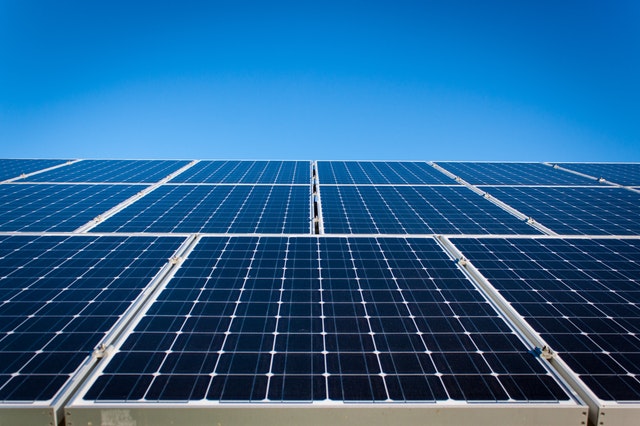 Do rooftop solar panels add value to a home, and are they cost-effective in terms of energy savings? The short answer is yes, say the experts. Although more than a million U.S. homes boasted solar panels in 2016, the percentage of solar-equipped households is still miniscule.