 With all of the expense that can go into buying and selling a home, it’s good to be aware of what you can claim and how a home can benefit you come tax time. When the New Year rolls around and you’re sitting down to the task of completing your taxes, here are a few things that you’ll want to keep in mind.
Gaining from Capital Gains
In the event that you’ve made money off the sale of your home through a capital gain, it’s possible that you may be able to exclude this amount from your tax filing. If you’ve lived in the home you just sold for at least two of the five years before the sale date, not having to report this amount on your taxes may come as a financial win.
Reporting Your Gain
If you have not lived in your home for two of the five years, you will have to report the sale of your home and the capital gain when you file your taxes. This is necessary whether or not you decide to claim the amount. If this happens to be the case for you, it’s a good idea to educate yourself on ‘Net Investment Income Tax’ before filing your return so you can ensure your claim’s accuracy.
A Two-Year Claim For Capital Gain
While there is definitely a great financial benefit in not having to report your gain in all situations, it’s important to be aware that you can only exclude any gain you’ve received from a home sale every 2 years. So, if it happens to be the case that you’ve moved more than once in the last few years, you will have to report any amount that you’ve made from these home sales.
Selling Your Home At A Loss
The boon of a capital gain is certainly ideal if you’ve made some money on your home, but if you’ve sold your home for less than you paid, you won’t be able to claim this. While the end result may be a bit disheartening, this amount cannot be deducted off of your tax return.
Beyond the benefits of buying or selling your home, there are ways that your tax filing can be more pleasant next year if you know some of these tips. If you think you may be perusing the real estate market in the near future, you may want to contact your trusted real estate professional for more information.
 If you’re moving from a large home into a smaller house or condo, you’re probably looking forward to enjoying a lower utility bill and not having to do as much cleaning. But before you move, you’ll want to take certain precautions to ensure that you’re not overwhelmed.
 If you’re in the process of simultaneously buying and selling a home, you may be in for the most stressful experience of your life. One UK-based real estate survey of over two thousand people found that buying and selling a house is more stressful than divorce, bankruptcy, a death in the family, becoming a parent for the first time, and even planning a wedding!
 If you’ve been following the real estate industry for any length of time, you’ve probably heard the phrase “buyer’s market” at some point. And although the meaning may seem apparent, it takes some study to understand what actually constitutes a buyer’s market.
 Each real estate market is unique in various ways, and your local real estate agent can help you to become more familiar with the trends in your community. For example, in some areas, it may be common for a seller to pay for at least a portion of the buyer’s closing costs, but this may not be common practice in other areas. While each market may be unique, there are some common trends that you can expect to be rather widespread across many communities throughout the rest of the year.
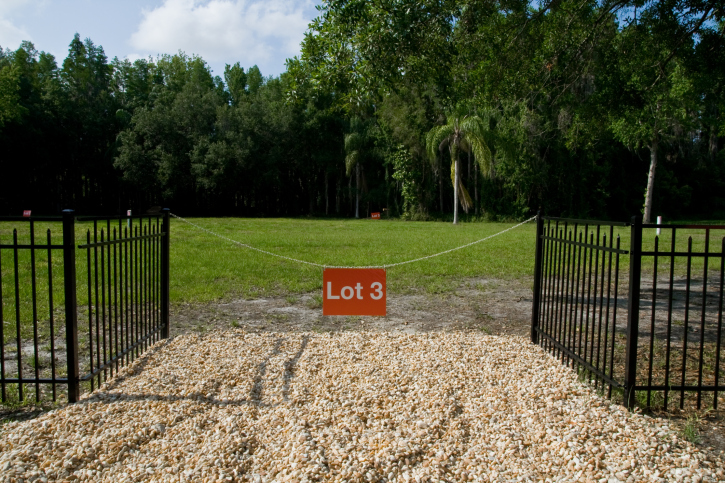 When many people think about investing in property, they think about purchasing income-producing real estate such as a residential property or an office building with tenants. There are indeed many benefits associated with investing in income-producing property. For example, these properties may produce rent that can offset your ownership expenses. However, buying raw land can also be an excellent long-term investment strategy.
 When you purchase a new home, escrow is a word that you will hear numerous times from different parties. There are several types of escrow accounts that will be established, and you may be wondering where your money will go when placed in an escrow account or how it is applied to your transaction. By taking time to learn more about the escrow process, you can be a more informed buyer.
 Whether you are buying property, selling property or both, the process can be challenging, stressful and even overwhelming at times. Just as you may use various mobile apps to streamline and simplify other aspects of your life, you can also use some well-designed apps to improve your overall experience when you are buying or selling property. These are some of the best apps for you to use as you move forward with your real estate plans.
 When you make the decision to sell your home, you may eagerly seek assistance from a skilled real estate agent. A real estate agent offers important services that can help you to more successfully and easily sell your home in the fastest amount of time and for the best price. This is a professional who is committed to helping you achieve your goal and who will not be compensated for his or her efforts unless successful. With a closer look at how real estate commissions are earned, you will see that your agent will work hard for his or her compensation.