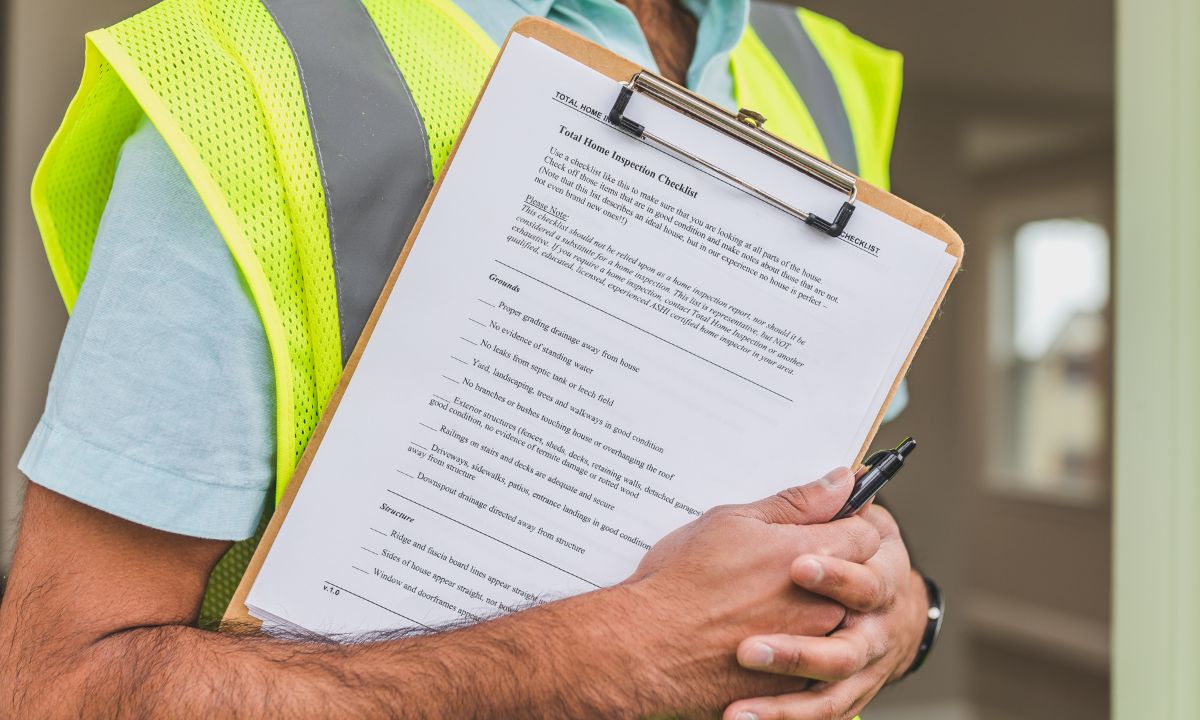
 Preparing to sell your home requires numerous decisions: Should you freshen up the paint? Finally, finish the basement. Renovate the bathroom? These questions often dominate the pre-sale planning. However, before diving into renovations, it is important to understand how your home has held up over time. One fundamental step in this process is investing in a professional home inspection. Here’s why.
Assessing Your Home’s Current Condition
Consider your home’s age and its maintenance history. When was its last professional inspection? Has it weathered any significant damage? Take a stroll around your property, paying close attention to key structural elements. Are there signs of wear on the roof? Cracks in the foundation? Issues with the siding or walls? If any red flags arise, it’s time for a comprehensive inspection.
Do You Need A Speedy Sale?
A pre-sale inspection can significantly expedite the selling process. By identifying and addressing necessary repairs upfront, you can streamline staging, photography sessions, and open houses. Moreover, having recent inspection results can set your listing apart from similar properties, showcasing your proactive approach and potentially accelerating buyer interest.
Take Care Of ‘Deal Breaker’ Problems
A thorough inspection enables you to tackle potential deal-breakers head-on. While minor issues may be overlooked, addressing major concerns like foundation cracks, mold, or outdated wiring can help maintain buyer confidence and prevent hiccups during negotiations. By proactively resolving these issues, you increase the likelihood of a smooth and successful sale.
Investing in a professional home inspection before listing your property offers a multitude of benefits. It grants you invaluable insights into your home’s condition, expedites the selling process, and mitigates the risk of encountering deal-breaking obstacles along the way. To navigate the complexities of selling your home with confidence and finesse, consider partnering with your local real estate professionals. Their expertise and guidance can illuminate the path to a successful and rewarding sale, ensuring that your home shines brightly in the competitive market landscape.
 Title insurance is a necessary component of real estate transactions, playing a pivotal role in safeguarding the interests of buyers, sellers, and lenders. While it might not be as prominent as other aspects of the real estate process, its significance cannot be overstated. We will examine the essential role of title insurance and explore why it is a vital component of real estate transactions.
 Many people dream of buying their ideal retirement home after their career has come to a conclusion – with all that extra free time it seems like it’d be the most logical time to shop around.
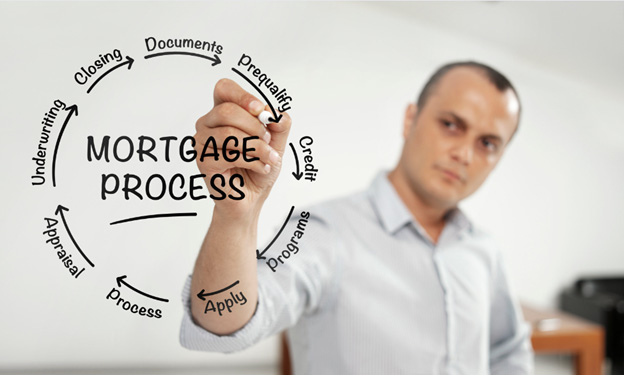 The purchase and refinance mortgage processes are similar in many ways, but there are also some important differences. Here is a general overview of how each process typically works:
 Purchasing a home is one of the most significant financial decisions many individuals make in their lifetime. It involves a substantial investment of money and requires careful consideration to ensure long-term financial stability. To navigate the complexities of the home-buying process, it’s essential to be well-informed about the various financial considerations involved. In this blog post, we will explore key factors to consider when buying a home to help you make informed decisions and achieve financial success.
 Are you planning on using a mortgage to help cover the cost of a new home? If so, you will want to prepare your finances and figure out how you will manage all those wallet-draining monthly expenses. Let’s take a look at how to run a quick financial health check to ensure you are ready to apply for a mortgage.
 There are not many parts of your life that are private anymore. Today, it is relatively easy for someone to go online and look up your address in just a few minutes. At the same time, there are some people who have an easier time keeping their lives private. Celebrities, public officials, and other people who are frequently in the public light are able to conceal their addresses. Even if you aren’t famous, what do you need to do to hide your address?
 Many people view their furry friends as members of the family. If you have pets at home, you need to make sure they are well taken care of. That means taking a closer look at an important pet safety checklist. What are a few of the most important items you need to include on this checklist if you want to make sure your dogs and cats are safe?
 If you are tired of deploying sprinklers and standing over your yard with a hose, you might be interested in some irrigation options. There are plenty of choices available, and you need to think about all of your options before you decide which one is best for your needs. What are a few examples to consider?