 Imagine having some extra cash on hand, enough to make a significant financial decision that could potentially shape your future. You’ve worked hard to build equity in your home, and now you find yourself at a crossroads. Should you invest in a vacation home or use the money to pay off your first mortgage?
Vacation Home-Pros
A Place to Escape: Owning a vacation home provides you with a tranquil getaway, a place to unwind and recharge. It offers the potential for making lasting memories with family and friends.
Rental Income: If you decide not to use the vacation home year-round, you can rent it out during the times you’re not there. This rental income can help offset the property’s expenses and mortgage.
Potential Appreciation: Depending on the location and market conditions, vacation homes can appreciate in value over time, potentially leading to a profitable investment in the long run.
Vacation Home-Cons
Added Expenses: Owning a second property means added expenses beyond the initial purchase price, such as property taxes, insurance, maintenance, and potential association fees.
Time Commitment: Managing a vacation rental or maintaining a vacation home requires time and effort, especially if you don’t live nearby.
Market Volatility: The real estate market can be unpredictable, and the value of your vacation home may fluctuate, potentially resulting in a financial loss if you decide to sell.
First Mortgage Payoff- Pros
Financial Security: Paying off your first mortgage eliminates a significant debt, providing you with increased financial security and peace of mind.
Interest Savings: By paying off your mortgage early, you save money on interest payments over the life of the loan, which could amount to substantial savings.
Improved Credit: Paying off a mortgage can positively impact your credit score, as it demonstrates responsible financial management.
First Mortgage Payoff- Cons
Opportunity Cost: Using your funds to pay off the mortgage means potentially missing out on the potential returns from other investments or opportunities.
Liquidity: Once you pay off your mortgage, the money becomes tied up in your home equity, making it less accessible for other needs or emergencies.
Potential Tax Implications: Depending on your location and individual circumstances, there may be tax implications associated with paying off your mortgage early.
Considerations and Decision-Making Process
Making the right choice between a vacation home and paying off your first mortgage requires careful consideration of your financial goals, risk tolerance, and lifestyle preferences.
Choosing between investing in a vacation home or paying off your first mortgage is not a decision to be taken lightly. Both options have their merits, and the best choice for you depends on your individual circumstances and priorities. Take the time to carefully weigh the pros and cons of each option, and if needed, consult with a financial advisor who can provide personalized guidance based on your unique situation. Remember that whichever path you choose, responsible financial planning and thoughtful consideration will lead you to a more secure and rewarding future.
 A floating interest rate, also known as a variable interest rate or an adjustable rate, is an interest rate that can change over time. Unlike a fixed interest rate, which remains constant for the entire duration of a loan or investment, a floating interest rate fluctuates periodically based on certain factors or benchmarks.
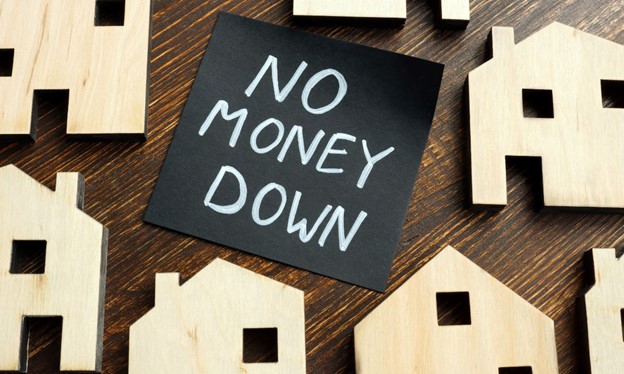 “No-deposit” mortgage deals for first-time buyers refer to mortgage options that allow buyers to purchase a home without having to put down a deposit or a down payment. Here are the pros and cons of such deals:
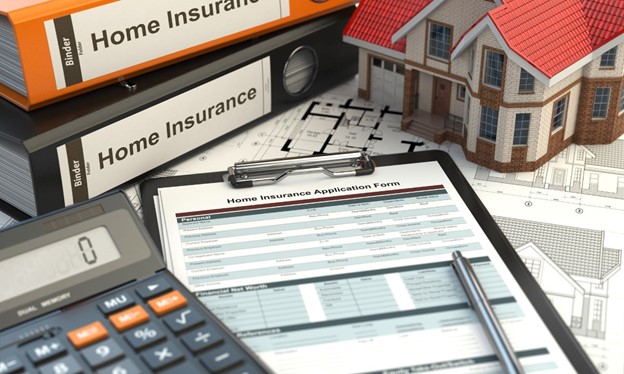 An insurance binder for mortgage loans is a document that provides proof of insurance coverage for a property that is being financed with a mortgage loan. Mortgage lenders require borrowers to have insurance coverage on their property to protect their investment in case of damage or loss.
 Making major life decisions often involves a delicate balancing act. Among the most significant choices individuals face are buying a new car and purchasing a new home. Both ventures represent milestones in one’s life, bringing excitement and anticipation. However, there is a complex interplay between these two financial endeavors that can significantly impact a person’s ability to achieve their dream of owning a new home. Here are some factors to consider:
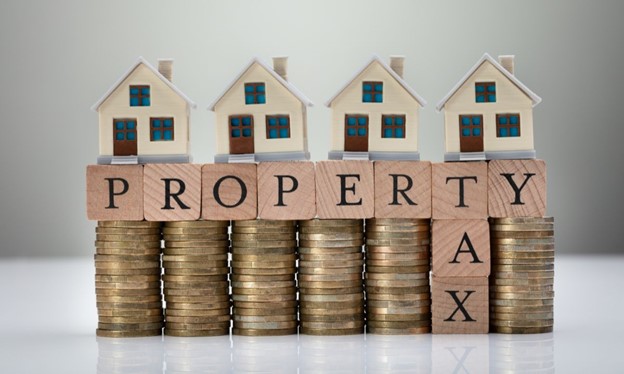 Property taxes can be a substantial financial burden for homeowners and property owners. Each year, local governments assess the value of properties to determine the amount of property tax owed. However, these assessments are not always accurate and can result in higher tax bills than necessary. Disputing your property tax assessment is a proactive way to potentially save money and ensure you’re paying a fair and equitable amount.
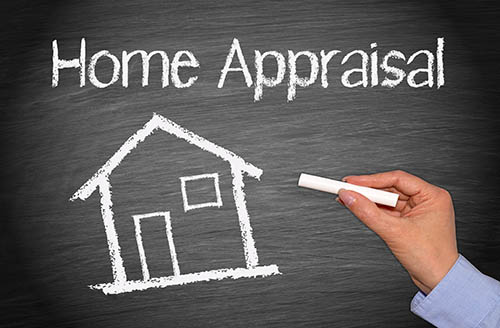 Appraisers consider several factors when valuing a house to determine its fair market value. The goal of the appraisal is to provide an unbiased and accurate assessment of the property’s worth.
 If you’re a homeowner with a mortgage, you may be familiar with the concept of an escrow account. This financial tool is designed to simplify the management of property-related expenses by combining certain costs, such as property taxes and insurance, into one account. Typically, your mortgage servicer collects a portion of these expenses with each monthly mortgage payment and holds the funds in an escrow account to cover these bills when they become due.
 Obtaining a pre-approval for a mortgage is an important step when you’re planning to buy a home. It gives you an idea of how much you can afford, helps streamline the home-buying process, and strengthens your position as a serious buyer. However, many people worry that the pre-approval process might negatively impact their credit score. In this blog post, we’ll dive into the details to determine whether or not a pre-approval for a mortgage will hurt your credit.