 As the housing market continues to evolve, it becomes increasingly crucial for aspiring homeowners to tread carefully and avoid falling into the trap of being house poor. The dream of owning a home should not come at the expense of financial stability and overall well-being. Here are some essential tips to steer clear of this precarious situation:
Setting a Sensible Budget:
Before even considering purchasing a house, it’s imperative to create a comprehensive budget that includes all your income, expenses, and financial goals. Be honest with yourself about what you can afford, considering not only the mortgage but also property taxes, insurance, utilities, and maintenance.
Prioritizing Emergency Savings:
Building a robust emergency fund should be a top priority. Life is unpredictable, and unexpected expenses can arise at any moment. Having a safety net of three to six months’ worth of living expenses can prevent you from becoming overwhelmed by financial burdens if an unforeseen situation occurs.
Saving for a Substantial Down Payment:
While it may be tempting to put down a smaller down payment to secure a house quickly, it’s wiser to save for a more substantial down payment. A larger down payment means borrowing less money and having lower mortgage payments, which can significantly reduce the risk of being house poor.
Consider All Costs:
Beyond the mortgage, homeownership involves additional expenses such as property taxes, insurance, utilities, and maintenance. Renters must consider renter’s insurance, utilities, and other costs.
Maintaining a Healthy Debt-to-Income Ratio:
Lenders often look at your debt-to-income ratio when considering your eligibility for a mortgage. Aim to keep this ratio as low as possible by paying off existing debts before taking on a mortgage.
Living Below Your Means:
It’s crucial to resist the temptation of purchasing the most expensive house you can qualify for. Instead, opt for a more affordable home that aligns with your budget and long-term financial objectives.
Anticipate Future Expenses:
Plan for the future and anticipate upcoming financial commitments such as career changes, education costs, and family planning. Being prepared for these events will ensure that your housing costs remain manageable even as your life circumstances change.
Shop Around for Mortgages or Rent:
If you’re in the market for a new home, don’t settle for the first mortgage offer you receive. Shop around and compare rates and terms from different lenders to secure the most favorable deal.
Avoid Making Big Financial Decisions:
Focus on stabilizing your housing situation first before taking on additional financial responsibilities.
Seek Professional Guidance:
If you’re uncertain about the process or worried about becoming house poor, consider seeking advice from a financial advisor or a reputable real estate professional..
Achieving the goal of homeownership or finding a suitable rental property should not come at the cost of your financial security and overall happiness. Remember, it’s not just about the house you live in; it’s about building a fulfilling life within your means.
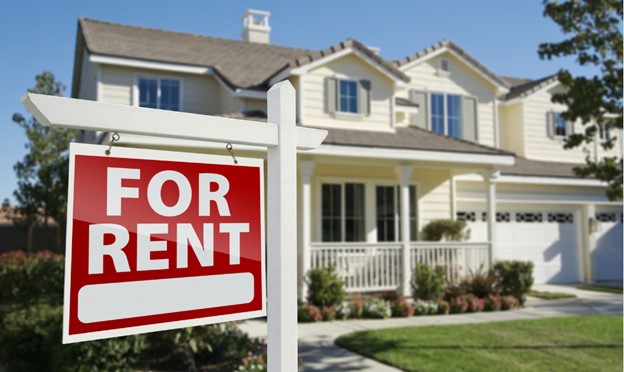 It is not uncommon for renters to pay more in rent than their landlord’s mortgage payment. This is because landlords are typically looking to make a profit on their rental properties, and they will often set their rent prices based on market rates rather than the cost of their mortgage.
 In recent years, multi-generational living arrangements have seen a resurgence as families rediscover the advantages of sharing a home with multiple generations. While the traditional nuclear family model has its merits, living in a multi-generational home offers a host of benefits that can enhance familial bonds, provide support systems, and create a harmonious living environment for everyone involved.
 The Real Estate market can sometimes favor buyers, presenting a challenge for home sellers. With the right strategies and a proactive approach, it’s possible to stand out and sell your home successfully, even in a buyers’ market. Here are some essential tips to help you navigate and thrive in a competitive real estate market.
 Buying your first home is an exciting milestone in life, but it can also be overwhelming and filled with questions. As a first-time home buyer, you want to make informed decisions and ensure a smooth process. Below we will address some of the common questions that first-time home buyers often ask.
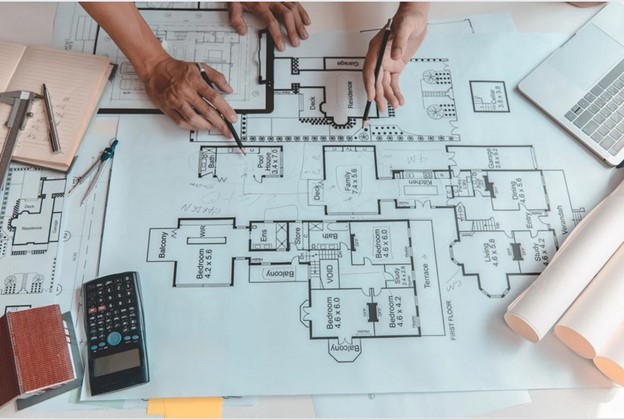 Making the decision to build a home might be one of the biggest you make in your life. You’ve found the perfect plot of land and have a vision of what type of home you want, but you need someone to bring your dream to life.
 Moving to a new home can be a stressful time for both you and your dog. Dogs are creatures of habit, and a new environment can be overwhelming for them. However, with the right approach, you can help your dog adjust to their new home smoothly.
 Inflation can erode the value of your savings over time, and one way to hedge against inflation is by investing in assets that appreciate in value over time. Real estate is often considered a good hedge against inflation, as property values tend to rise in line with inflation.