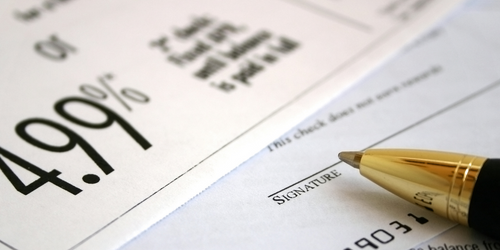
 When you go through the process of applying for a mortgage, you need to make sure you understand all of the terms on the page. Two of the most common numbers you will come across include the mortgage rate and the APR. Many people associate both of these numbers with interest rates, but you will probably notice that they are not quite the same. What are the differences between these two numbers, and how are they going to impact your mortgage loan?
The Mortgage Interest Rate
The first number you are probably going to look at is the mortgage interest rate. This reflects the additional money that you will be charged over the life of the mortgage. For example, if you take out a loan for approximately $250,000 that has an interest rate of 5 percent, you will end up paying not only the principal but also an interest component of approximately $233,000 over the life of the loan. Keep in mind that an interest rate can be fixed or variable, so make sure you read the application carefully.
Annual Percentage Rate (APR)
The other number that you might see is your APR. This calculation is a bit more complex because it considers all facets of your application, not just the interest rate on the mortgage. Your APR is going to include other values as well, such as private mortgage insurance premiums, discount points, closing costs, and other closing expenses. This number might be a bit harder for people to understand, but it will also give you a more accurate picture of the total cost of your mortgage.
Ask Questions Before You Sign Your Contract
Because there are so many moving parts involved when you apply for a mortgage, you need to take the time to ask questions before you sign on the dotted line. You will be focused on your primary interest rate, as it will play a major role in the total cost of your loan as well as your monthly payment; however, you need to have an accurate picture of the other fees associated with your home loan as well. Reach out to an expert who can help you find the right mortgage to meet your needs.
 Owning a home can be an exciting and rewarding experience, but it’s important to be aware of the expenses that come with homeownership. Understanding these costs can help you prepare for and manage them effectively, ensuring a smoother transition into your new home.
 Choosing the perfect home to settle in can be a tough decision. You have to weigh in on many factors including price, size, features and amenities, number of bedrooms and baths, design, and so on. However, all these factors are not enough to give you a great home ownership experience if you fall into the wrong neighborhood.
 If you are looking for a way to save money on the purchase of your next home, you might be thinking about buying a property that requires repairs. Keep in mind that you will not be able to move into this property right away, so is it the best option? You could open the door to unique financing options that could make it easier for you to purchase your next property.
 In the realm of real estate, market conditions can differ significantly due to a variety of factors. One such state is known as a sellers’ market, which typically benefits those wanting to sell their property. Let’s dive into what makes a sellers’ market advantageous for homeowners looking to offload their house and why it’s an attractive option for buyers too.
  If you are looking for a quick source of cash, you may have been told that you can tap into the equity in your home. If you have at least 20 percent equity in your home, you can borrow against that equity at a relatively low interest rate for a quick source of funding. You might be deciding whether to apply for a home equity loan or a home equity line of credit, which is usually shortened to HELOC.
  The major problem that the vast majority of buyers will run into – especially when purchasing their first home – has to do with a lease agreement that is still active with their apartment complex at the time of the purchase. If you locate the perfect home in February but your lease isn’t over until August, you can’t be expected to wait around.
 If you dream of owning a house one day, you have probably realized that one of the biggest challenges is saving money for a down payment. You have already found your dream property, but then the lender asks you to put 20 percent down, which can be tens of thousands of dollars. Fortunately, there are alternative options available, and you may be able to purchase a home for no money down.
 Today’s homebuyers can have specific ideas and personal preferences that influence their decision on what attracts them to a particular property. While some prefer a fixer-upper, many desire a home that’s as close to turn-key as possible.
 If you are a homeowner thinking about a significant home renovation, you have probably already considered your budget. As with any large project, you need to have the ability to pay the expected costs plus have a little bit extra set aside, just in case. The great news is that if you are a homeowner with a mortgage, you may qualify for cash-out refinancing, which can be a helpful way to leverage some of your home equity to cover renovation costs.