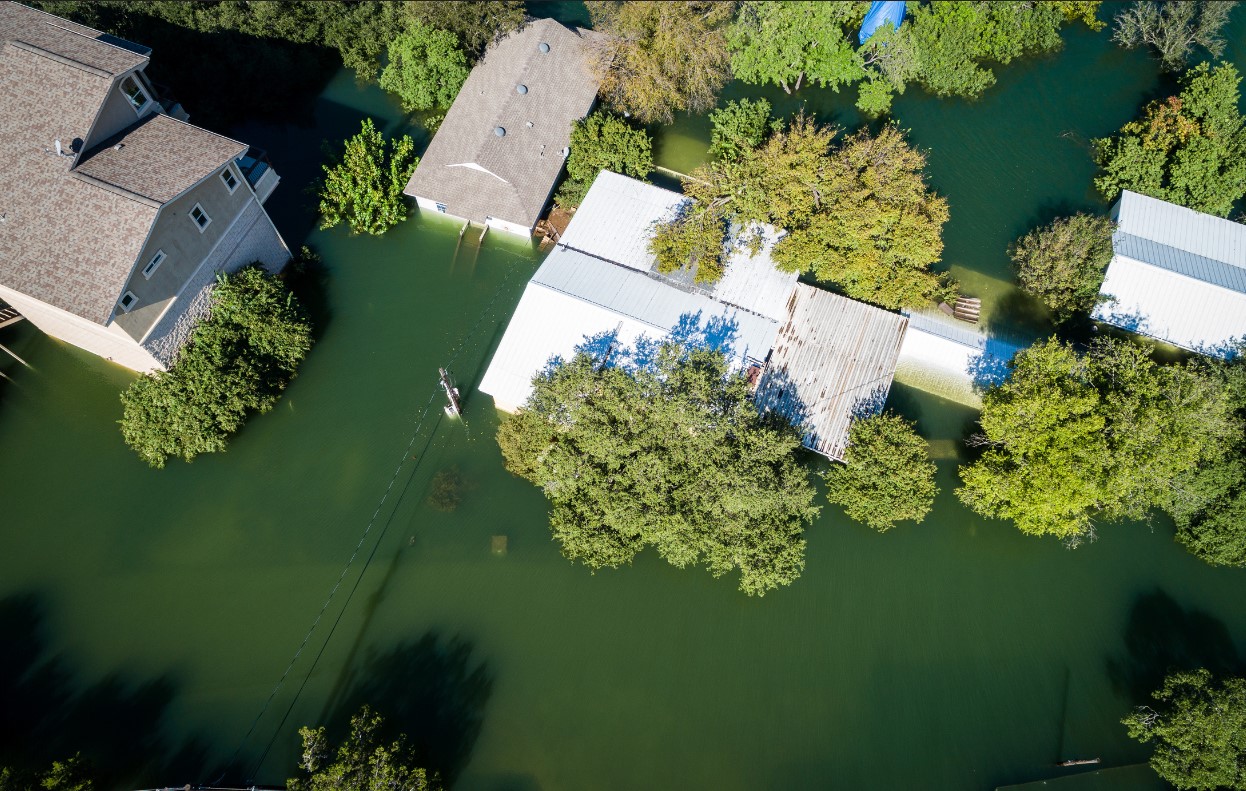
 Flooding can happen in any location at any time. Even though many people associate floods with coastal properties, flooding can take place inland as well. That is why you always need to take a look at the map to figure out whether your property is located in a flood zone. There are some situations where your lender might require you to purchase flood insurance. What do you need to know?
What Is Protected And What Is Not?
When you purchase flood insurance, there are three broad components that you should examine. You need to check and see whether the policy covers the building, the contents of your home, and potential replacement expenses. Flood insurance policies generally insure any physical damage done to your house as well as any belongings you have inside your home. This might include your walls, household appliances, plumbing system, electrical system, clothing, and furniture.
On the other hand, most flood insurance policies do not cover your outdoor structures. For example, they will not protect your patio, swimming pool, fence, or vehicles parked outside the home.
What Is Your Flood Risk Level?
Your flood insurance premium will vary depending on where you are located. For example, if you are in a flood zone, your flood insurance premiums will probably be significantly higher; however, a significant percentage of flood claims occur in areas that are not located in a flood plain. While your premium should be lower, you may want to talk to your real estate agent to see whether it is worth it to purchase flood insurance.
Is Flood Insurance Required?
Flood insurance has its limitations, just like any other insurance policy. Therefore, you might be wondering whether it is required.
If it is required, it would be required by your lender. If your house is located in a flood zone, there is a significant chance that your lender will require you to purchase flood insurance as a requirement for financing. If you refuse to purchase flood insurance, then your lender might refuse to finance your property. You should always compare flood insurance premiums across different companies before you decide which one to go with. Be sure to compare policy coverage options and limitations as well.
 Are you current or former member of the US military service who is looking to buy a new home? If so, you will be pleased to know that there are some special mortgage programs that are open to you. Let’s take a look at five reasons why a mortgage backed by the Department of Veterans Affairs is an excellent choice when buying your new home.
 When you are applying for a home loan, you need to make sure that you meet the minimum credit score requirements. If you decide to go with a traditional loan, the credit limit can be high, making it hard to qualify for a home loan. In contrast, you might be able to qualify for a VA home loan with a much lower credit score. What do you need to know?
 If you have been in your home for a while, you might be able to refinance. If your credit score has increased, your income has gone up, or the average home loan interest rate has gone down, you might be able to conduct a cash-out refinance. During this process, you can keep your mortgage payments the same, secure a lower interest rate, and withdraw the difference as cash. What can you do with this extra cash?
 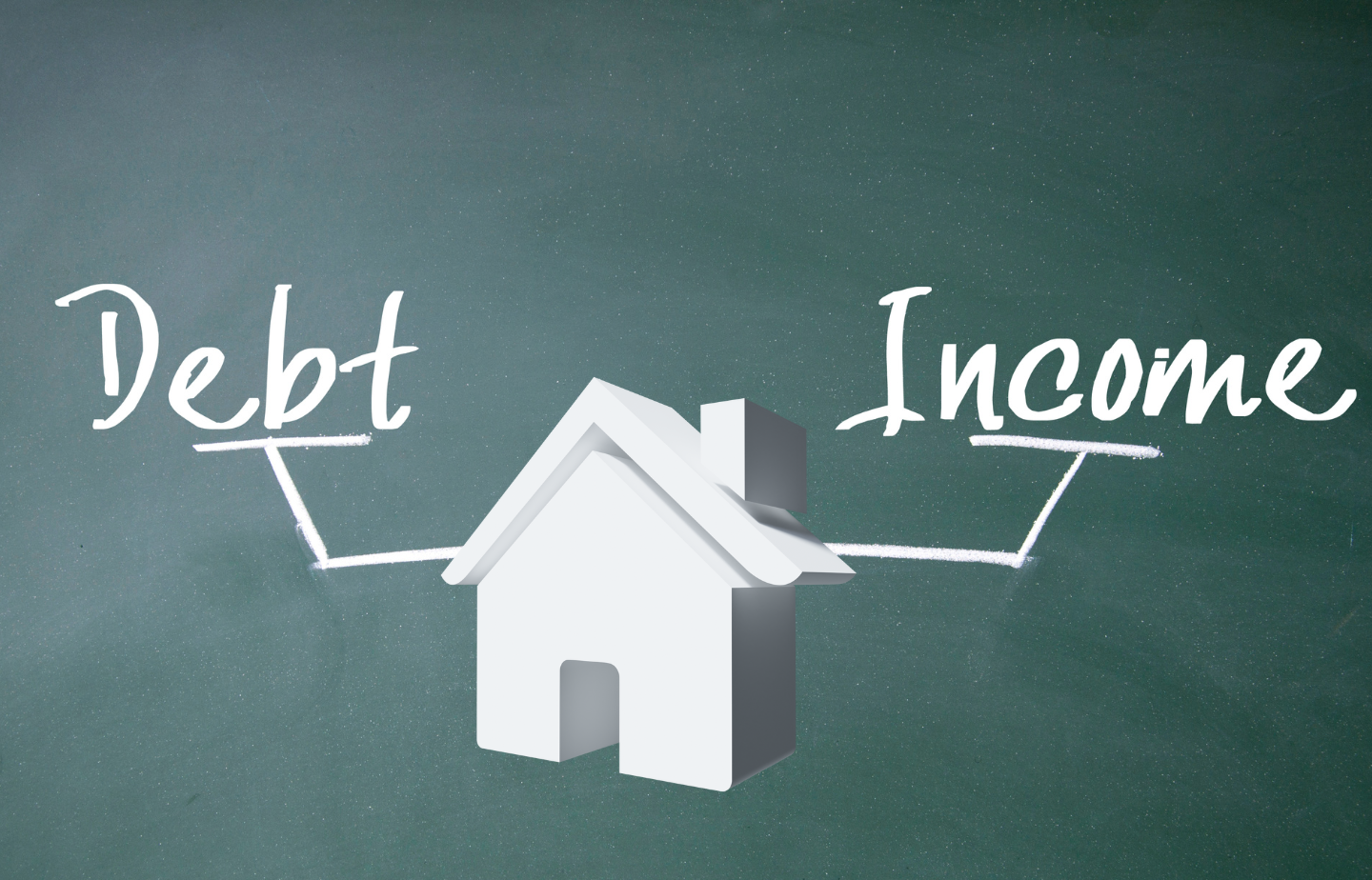 When you apply for a mortgage, your lender will do some quick math to figure out how much of a loan you can afford. Your lender will consider many factors, and one of the most important ones is your debt-to-income ratio. It is usually shortened to DTI, and understanding this formula can help you better understand how big of a house you can afford.
  When you take out a home loan, you might have the option to purchase mortgage points. Essentially, this is money that you pay to the lender upfront in exchange for getting a lower interest rate over the life of the loan. If you got a great deal on the house, you might have some extra cash on hand. Should you use that money to buy down the interest rate? This is a math problem that you need to calculate for yourself.
 Buying a home is a dream that many people want to make come true. At the same time, many people dream of buying a second home. Perhaps you are looking for a rental property. Maybe you are looking for a vacation home. Regardless, you might be wondering how you can come up with the necessary cash to finance this dream. You might even be thinking about tapping into the equity in your current home to make that happen. It could be your down payment for your second house, but what do you need to know?
 If you plan on retiring soon, you are probably looking at a few options that can get you over the hump. You are probably excited to start a new phase of life. With a record number of people closing in on their retirement age, many are starting to assess their resources to make sure they have enough money to last them for the rest of their lives. If you already own a home, you might be able to tap into your home equity to help you fuel your retirement.
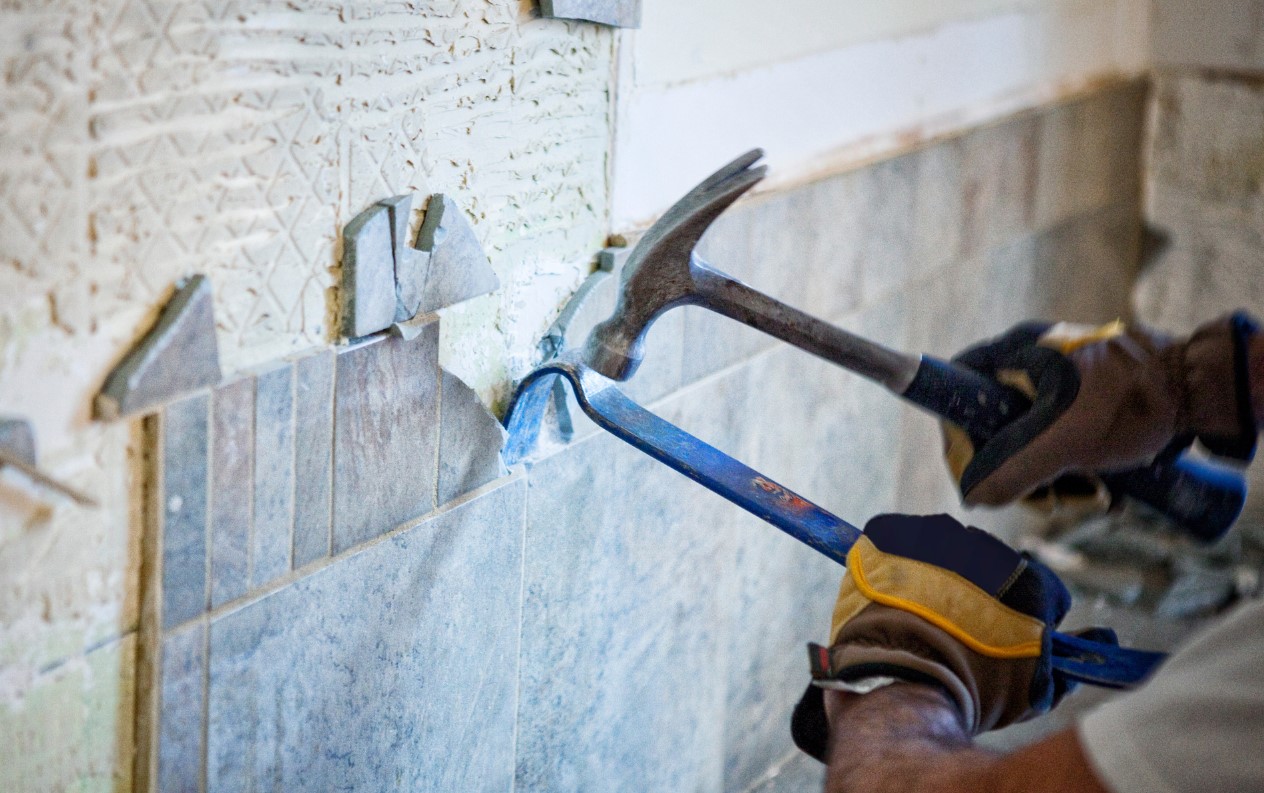 Today, there are many people who are having a difficult time purchasing a house. Even though interest rates have gone up, sales are still happening quickly. Therefore, it can be difficult for people to qualify for a mortgage, purchase a house, and get to the closing table before the property is sold. One potential way to get around the hot housing market is to consider a home renovation mortgage. How can a home renovation mortgage help you?
 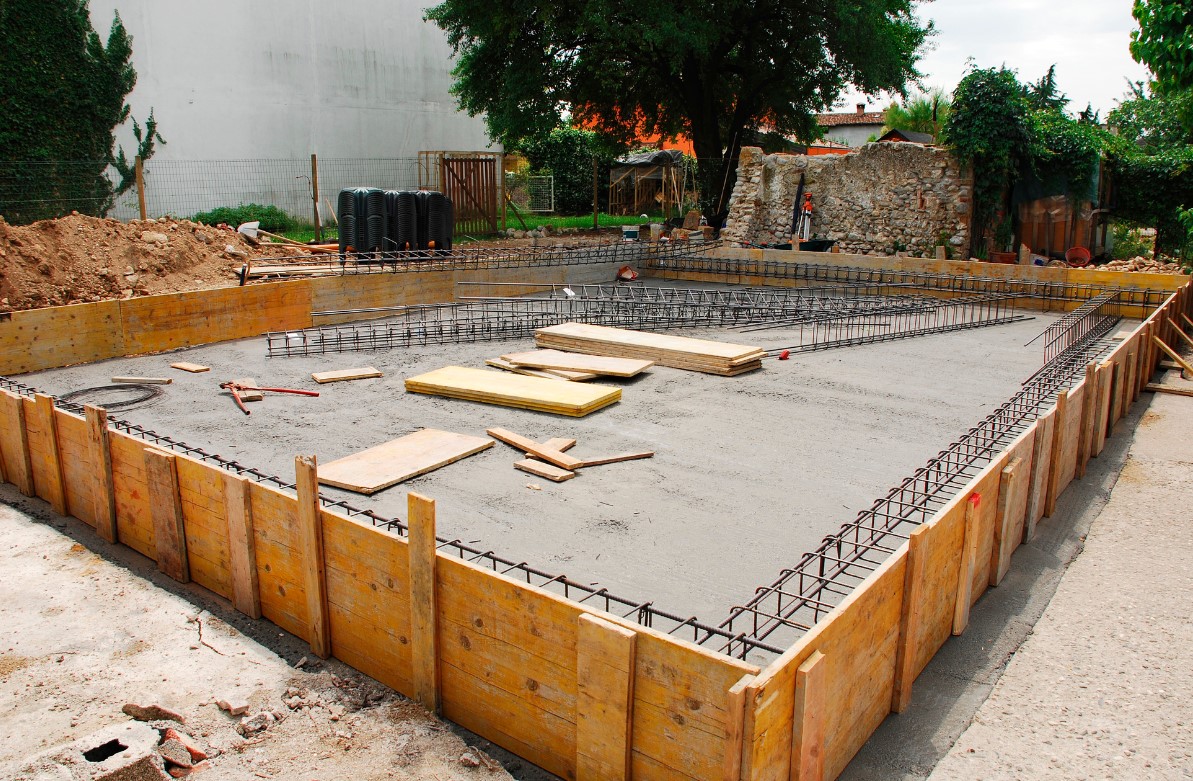 Are you thinking about purchasing a home in the near future? Or, are you thinking about building one? If so, you must think carefully about the foundation of the home. It is responsible for supporting the rest of the structure, so you need to find the right foundation to meet your needs. What are a few of the top options available?