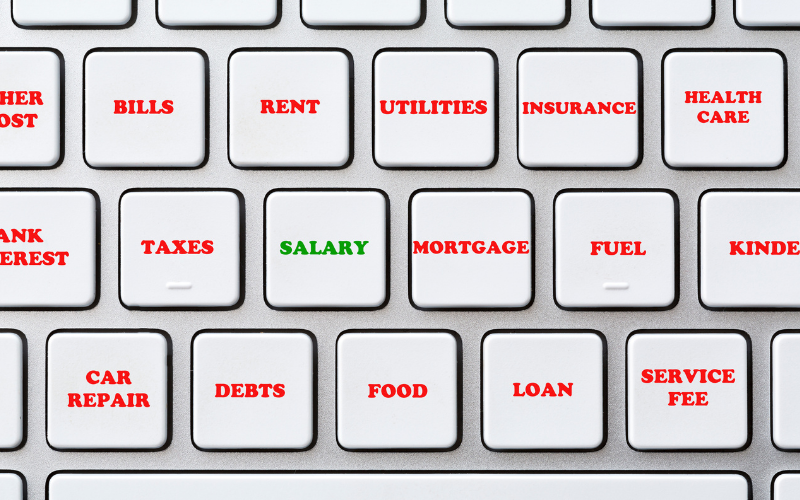
 Even though a lot of people have two incomes they can use to purchase a house (theirs and their partner’s), this is not necessarily required. There are lots of people who want to take advantage of current interest rates to purchase a house, and some people are trying to do it on their own. Even though it can be a challenge to buy a house with only one income, it is certainly not impossible. There are several tips that can make it easier for everyone to afford a house with just a single income.
Always Check Your Credit Score
If you want to buy a house on a single income, make sure you check your credit score first. Your credit score is a reflection of your financial health. The higher your credit score is, the better your chances of having your loan application approved. You can check your credit score for free once per year from any of the major credit bureaus. You need to know what your credit score is and you need to correct any inaccuracies on your credit report before you apply for a home loan.
Explore Government Loan Programs
Next, if you are buying a home for the first time, you should explore government loan programs. For example, you might be able to apply for an FHA loan, which could allow you to purchase a home for as little as 3.5 percent down. That way, you do not necessarily need to save up a 20 percent down payment to buy a house. Depending on your location, there could be other government loan programs that can make it easier for you to buy a house.
Ask For a Co-Signer To Help
Even if you plan on paying for the mortgage yourself, you may find it easier to buy a house if you have someone who can co-sign for your loan. This is particularly helpful if your credit score isn’t quite high enough to qualify for a loan. As long as your co-signer has a solid credit score, they might make it easier for you to get your loan application approved. Furthermore, you might be rewarded with a lower interest rate than you could otherwise get on your own.
 Many people who rent sign a 12-month lease. With many people’s contracts up for renewal during the next few months, people may be surprised to see just how much their rent might be going up in the next year. Just as gas prices, car prices, and prices at the grocery store continue to increase, rent is going up as well. It is important to take a closer look at the reasons why, and what people can do to make their housing costs more affordable.
  Purchasing a house is expensive. Not everyone has the money to put down 20 percent. One of the ways to make it easier to afford a house is to live in a home with multiple generations. Some people decide to move back in with their parents because they might have a difficult time affording a mortgage and student loans. Some parents move in with their children because they have health-related issues that need to be addressed. Now, multi-generational homes are becoming more common.
 Buying a house is an exciting time, but homeowners also need to make the best financial decision to meet their needs. One of the biggest decisions potential homeowners will face is how much money to put down.
 A monthly mortgage can seem like enough of a financial responsibility on its own, but there are many factors involved in home ownership that affect its fiscal feasibility. If you’re in the market for a house and are wondering how your income will stack up against the rest of your expenses, here’s how to determine a home cost that’s reasonable for you.
 Many people are looking for a way to diversify their investments, and real estate investing is a popular option. Some people might be interested in short-term rental properties. What is a short-term rental property, and what are the responsibilities of property owners? Learn more about short-term rental properties to figure out if this is a solid option.
  There is so much to know when it comes to homeownership that even wading into all of the information can seem overwhelming, but if there’s one thing you need when the time comes to purchasing a home, it’s to be prepared. Here are a few ways that you can ensure you’re ready for what a mortgage entails so that buying your dream home will be a positive experience you won’t regret.
 With all the expenses that go into monthly living and the temptations that come along with life, saving money for the down payment on your new home can be quite a struggle for many people. If you’re having a hard time saving and are wondering what you can do to ensure a higher bank balance next month, here are a few things that may pose a risk to getting the home of your dreams.
 There are a number of significant advantages that come with homeownership, and one of the biggest advantages is the ability to take out a home equity loan. As homeowners pay off the mortgage, the amount of equity in the house increases. Homeowners can borrow against the equity in their house to fund other projects. For example, homeowners could borrow against home equity to complete a home renovation, pay medical expenses, or pay down student loans. The most common home equity loans include cash-out refinances, a traditional home equity loan, and a home equity line of credit. Which is the best option?
  The vast majority of people will need to go through a mortgage lender when purchasing a home. One of the last steps in the purchase process is the home appraisal. The lender wants to make sure they are not lending more money than the house is worth. If the appraisal value comes in above what the buyer is paying, then the buyer is happy because they might be getting a great deal. On the other hand, if the appraisal comes in below what the buyer is paying, this can be frustrating. What is the appraisal gap, and how does it work?