 If you’re moving from a large home into a smaller house or condo, you’re probably looking forward to enjoying a lower utility bill and not having to do as much cleaning. But before you move, you’ll want to take certain precautions to ensure that you’re not overwhelmed.
A smaller home won’t have as much room for your belongings, which means you may need to get creative. Here’s how you can downsize without losing your mind.
Decide What You’re Going To Keep
Before you do anything else, choose which of your belongings are coming with you. Unless you’ve habitually been getting rid of things you no longer need over the years, chances are you have a large stash of things you’ll never use again. That’s the kind of clutter you’ll need to eliminate before moving into a smaller home.
The obvious exceptions would be anything of significant sentimental or monetary value, but you’ll want to get rid of lots of your everyday objects – for instance, there’s no reason why you need three soup ladles. Having trouble deciding what to throw out? Here’s a simple rule of thumb: If you can’t remember the last time you used it, you probably don’t need it.
Have Anything In Storage? Find A Storage Solution Now
Most homeowners nowadays have the luxury of large storage spaces like basements or attics – but if you’re moving into a condo or a small starter home, storage will be at a premium. And that means anything stored in your basement, garage, or attic will probably need to find a new home. You’ll want to look for a storage solution earlier rather than later.
Perhaps you could rent a storage locker in your neighborhood, or let children or relatives hold onto your belongings until you decide what to do with them.
On Your Moving Day: Move Large Items First, And Put Away Stored Items Before Anything Else
When the day comes for you to move into your new home, you’ll want to try to find the best configuration for the space right away – before your new home is filled with boxes stacked six feet high. Before you do anything else, move your furniture and other large items into the space first, and get them set up so they’re out of the way.
Once all of your boxes are in your new home, put storage items away before anything else – it’ll help you avoid unnecessary stress and sorting later.
Downsizing can be stressful, but with a solid plan and a great real estate agent, you can find a smaller home and move in without issues.
 When people are looking for a home, they are often looking for something that is move-in ready. While this might make the process easier, this can also make the home much more expensive. It is still possible to find a dream home even if the house requires a bit of renovation. This is also a great opportunity for homeowners to customize the home to meet their needs. What do potential homeowners need to know about taking out a mortgage to renovate a fixer-upper when compared to a conventional home loan? Take a look at some helpful information below.
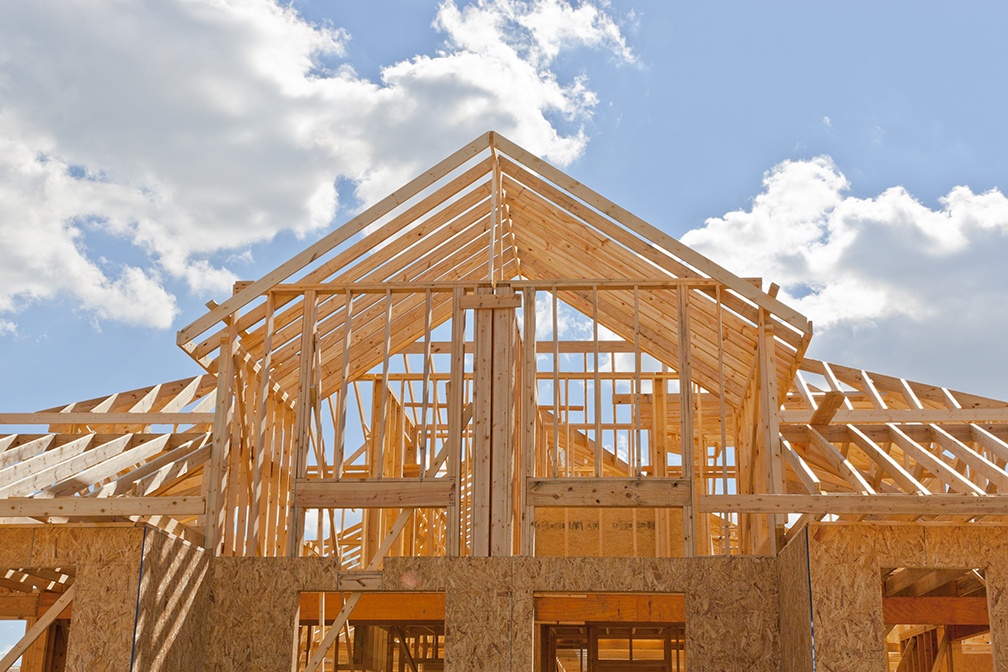 Because the housing market is so competitive right now, many buyers are looking at alternative options. Instead of looking for a resale home, some buyers are considering a new home. What is the process of taking out a loan on a new construction home? There are several factors buyers should consider.
 There are many factors that buyers need to consider when they are evaluating a potential property. Sometimes, buyers run across properties that have to deal with something called a Homeowners’ Association, or HOA.
 Property values are a moving target. They are important to buyers and sellers because everyone wants to get the best deal possible. Sellers want to get as much money for their investment while buyers do not want to overpay for a home. There are a lot of factors that play a role in property values including the economy, the number of people looking for homes, new home construction, schools, the job market, and more. How do real estate agents estimate the value of a home?
 The process of buying a home can be exciting and stressful, with one important task being the home inspection. All real estate professionals will likely recommend a home inspection. This is usually a condition of making an offer on a home. While not all prospective buyers will ask the seller to make repairs based on the inspection report, it is important for buyers to know what they might have to do to repair the home.
 There are many homeowners who are looking for ways to reduce their monthly expenses. One way to do that is to target energy bills and expenditures. Homeowners might be able to make a few changes and upgrades to their homes, which could reduce utility bills and improve energy efficiency. What are a few ways to do exactly that?
 The current housing demand is unparalleled and because of this demand, home prices are skyrocketing. Nonetheless, people continue to shop for homes. Low interest rates and high demand combined with supply chain issues are stunting the homebuilding industry, creating a perfect storm for an unprecedented housing market. In addition, there are many millennials who are looking for homes right now as well. Why is this the case?
 There are many people who are currently looking to purchase a home while interest rates are relatively low; however, there are many homeowners who feel like they do not have a strong level of financial understanding when it comes to the process of purchasing a home.
 There are two broad categories of mortgages. The first is government mortgages, which include USDA, FHA, and VA loans. These loans are backed and insured by the United States government. The other category is conventional mortgages. These are mortgages that are insured by private lenders, such as banks and credit unions. What are the differences between these two loan options?