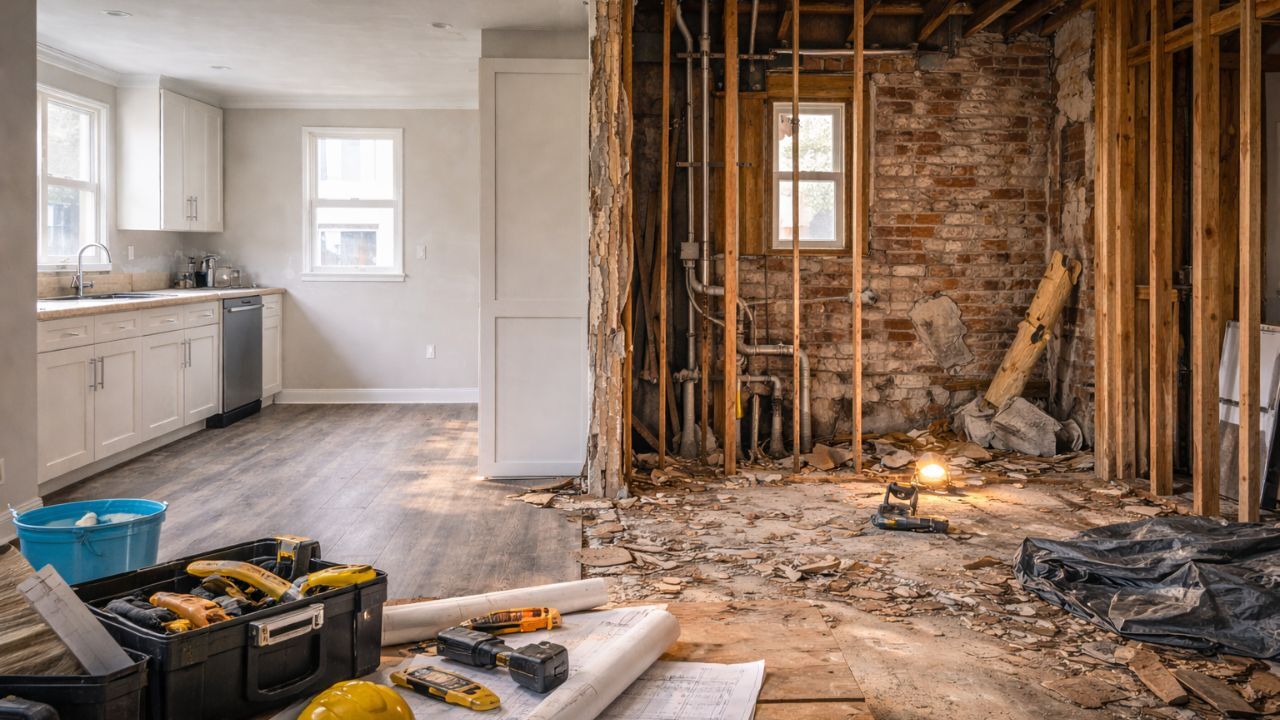
 Fixer uppers attract buyers looking for value, personalization, and long term upside. The idea of transforming a property into something uniquely yours is compelling. However, not all renovation opportunities are created equal. The real skill in buying a fixer upper is distinguishing between manageable cosmetic upgrades and deeper structural or functional limitations that can quietly erode your budget and timeline.
Cosmetic Versus Structural Changes
Paint, flooring, light fixtures, cabinet hardware, and landscaping are typically manageable improvements. These updates are visible, measurable, and easier to estimate financially. Structural modifications such as moving load bearing walls, relocating plumbing lines, replacing subflooring, or altering rooflines introduce complexity and risk. Once walls are opened, surprises often follow. Understanding where a project falls on this spectrum protects both your budget and your expectations.
Layout Efficiency Matters More Than Finishes
Even a dated home can function beautifully if the layout flows logically. Room placement, natural light exposure, storage access, and traffic patterns influence daily comfort more than surface materials. Awkward transitions between rooms, narrow hallways, or poorly positioned kitchens may require significant redesign to correct. Before focusing on finishes, evaluate whether the core layout aligns with modern living patterns and your personal lifestyle.
Mechanical Systems Tell the Real Story
Cosmetic flaws are visible. Mechanical issues are not. Roof condition, heating systems, plumbing integrity, electrical capacity, and foundation stability carry significant financial weight. A newly painted wall cannot compensate for outdated wiring or aging pipes. Inspections are critical when evaluating a fixer upper. Replacing major systems can quickly shift a promising deal into an expensive commitment.
The Energy Investment Factor
Renovation requires more than money. It requires emotional bandwidth. Decision fatigue, contractor coordination, permit timelines, and material delays can test even patient buyers. Some homeowners thrive on projects and transformation. Others find the process draining. Be honest about your tolerance for disruption before committing to a property that demands ongoing oversight.
A smart fixer upper purchase focuses on fundamentals first and finishes second. When structure, layout, and systems are solid, cosmetic updates become opportunity rather than risk. The best renovation projects start with strong bones and realistic expectations.
 Buying a fixer-upper can be a smart way to build equity, customize a home, and stay within budget in a competitive market. The challenge is knowing the difference between a great investment and a true money pit. As real estate professionals, we guide buyers through this decision every day. With the right preparation and the right expectations, you can choose a home with potential instead of one that drains your savings and your sanity.
 Searching for the perfect home can be frustrating when nothing seems to check all your boxes. Whether it is location, price, size, or style, the market may not always have exactly what you want at the moment. The good news is there are creative strategies you can explore to find a home that works for you, even if it is not exactly what you initially imagined.
 Are you in the market for a new home? Have you considered the allure of a fixer-upper? While the idea of purchasing a home that needs a bit of TLC might seem daunting at first, numerous benefits come with this type of investment. We will plunge into the exciting world of fixer-uppers and uncover why they might just be the perfect choice for you.
 If you enjoy history and fixing things, then it may be hard to drive by historic homes for sale without feeling the urge to buy one and fix it up.
  In your imagination it seems like a great idea – you purchase an older run-down property and you have the chance to fix it up and turn it into the home of your dreams.
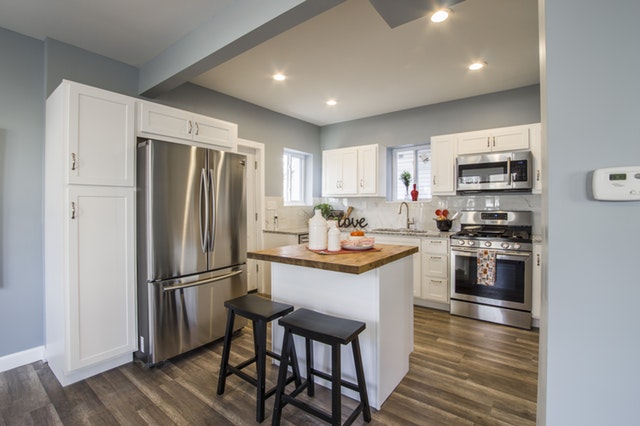 There’s a lot to be said for buying a move-in ready home. All you have to do is put your things away and start living your life. On the other hand, buying a fixer upper has its advantages, too. You can get a great bargain on a fixer upper home. So which one should you choose?
 “Move-in ready” homes are desirable — there’s no doubt about it! But sometimes it makes better financial sense to opt for a house with dated decor and a less than trendy kitchen or master bath.
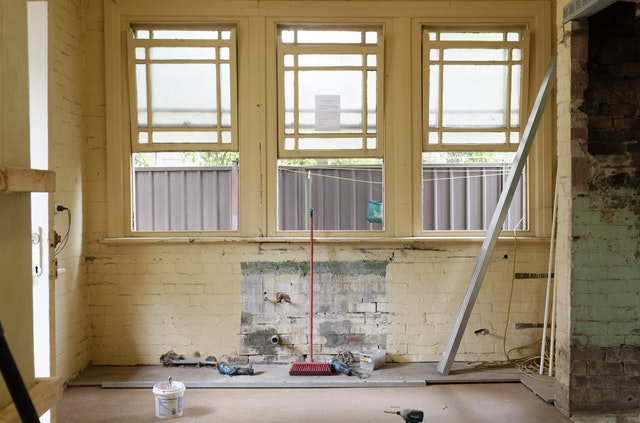 Popular TV shows like Fixer Upper and Property Brothers have brought the charms of owning a fixer upper to light. A fixer-upper can be a great option if you are prepared for the experience of owning a house that needs work and time.