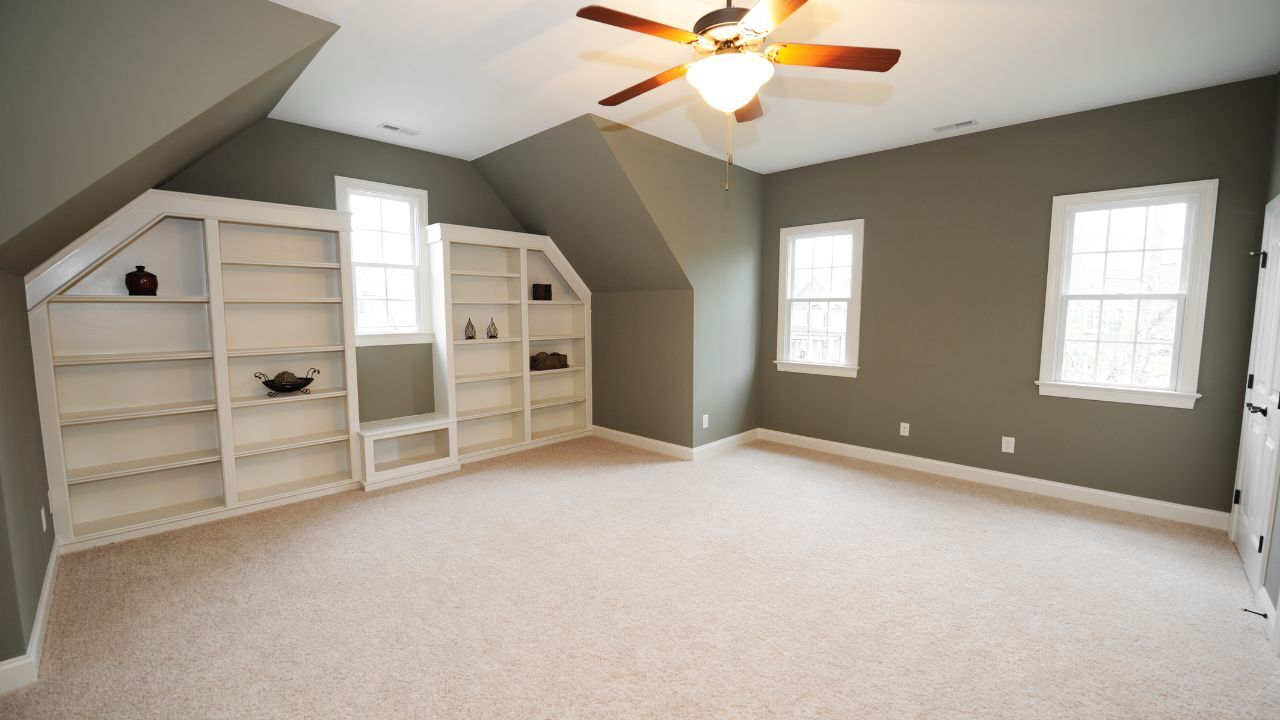
 When you are searching for a home, it is easy to get excited about dramatic features like built-in home theaters. They look impressive, they photograph well, and they feel luxurious during a showing. But as real estate professionals, we see something different in day-to-day living.
Most buyers end up valuing flexible bonus rooms far more than dedicated home theaters. A bonus room can adapt to your changing lifestyle, while a home theater often serves one purpose and one purpose only. Understanding the difference helps you choose a home that supports how you actually live.
Bonus Rooms Adapt as Your Life Changes
The biggest advantage of a flexible bonus room is its ability to grow with you. Today it might be a home office, tomorrow it could be a nursery, guest room, gym, or craft space. As your needs shift, the room shifts with you. Home theaters, on the other hand, are designed for single use. They often require dark rooms, built-in seating, and specialized wiring, which limits how easily you can repurpose the space later.
Buyers Want Multi-Use Spaces, Not Just Entertainment
Most buyers tell us they want space that makes their life easier, not space they only use on weekends. With so many people working remotely or running side businesses, bonus rooms quickly become one of the most valuable parts of a home. They offer flexibility for work, hobbies, or extra storage. Home theaters are fun, but they rarely make the top of the must-have list for practical buyers who prioritize everyday functionality.
Home Theaters Can Be Expensive to Update or Remove
A dedicated theater room sometimes requires upgrades, repairs, or removal to make it functional for another purpose. The built-in risers, heavy wiring, dark paint, and specialty lighting can be costly to undo. Buyers often see them as projects instead of perks. A bonus room, however, is a blank canvas. With neutral flooring and standard electrical layouts, it can be transformed quickly without major renovation costs.
Flexible Rooms Improve Your Home’s Resale Appeal
Because bonus rooms work for almost any lifestyle, they appeal to a much wider range of buyers. A family may want a playroom, a couple may want a gym, and a remote worker may want an office. A single-purpose home theater only appeals to a small percentage of buyers. When a room can meet multiple needs, it adds real value and increases your home’s marketability when you decide to sell.
Bonus Rooms Support Everyday Living
At the end of the day, your home needs to work for your daily routine. Flexible rooms create space for the things that matter most. Whether you need a quiet work area, a spot for kids to play, or a peaceful place to unwind, a bonus room gives you long-term freedom. Home theaters offer entertainment, but bonus rooms offer convenience and comfort every single day.
Choosing a home with a flexible bonus room gives you more versatility, more value, and more long-term usefulness than a dedicated home theater. It is the kind of space that adapts with your life, supports your routine, and makes your home feel truly functional.
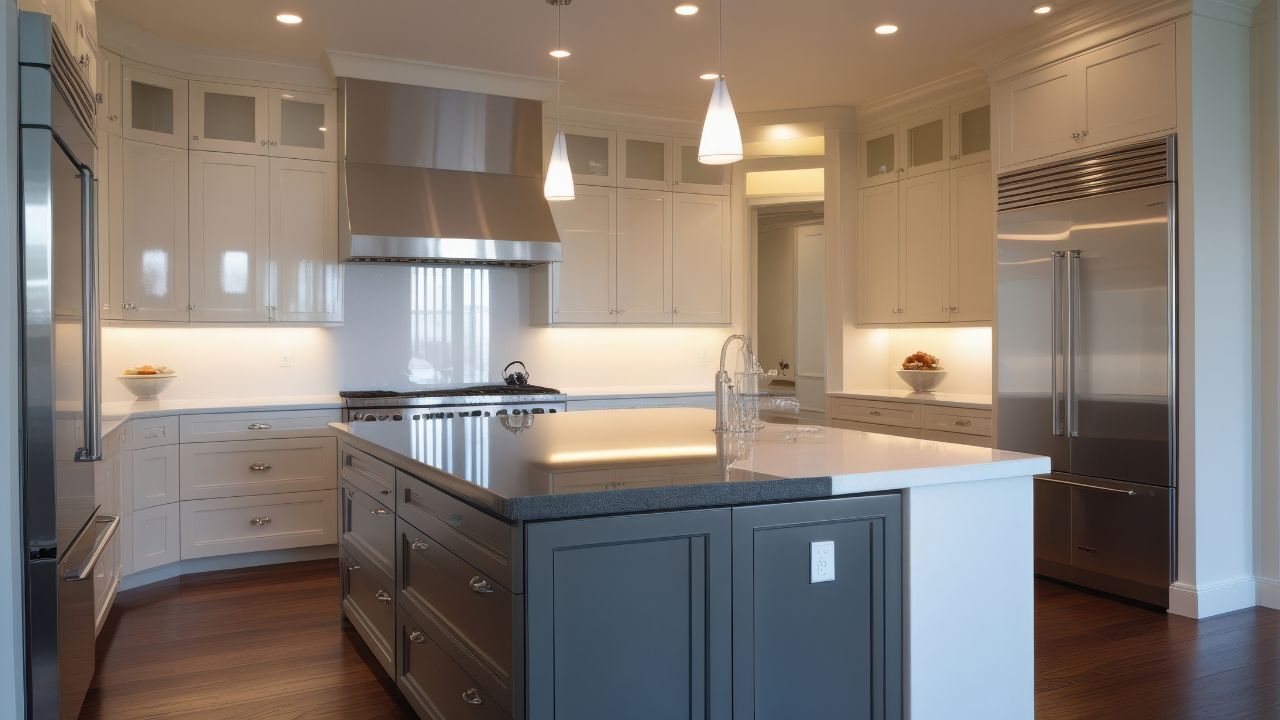 When you are shopping for a home, it is easy to be distracted by features that look impressive during a showing but do not add much value to your everyday life. As real estate professionals, we see buyers fall in love with flashy upgrades that end up unused while overlooking practical features that make a home truly comfortable. Knowing which features are overrated and which ones buyers genuinely rely on can help you choose a home that fits your lifestyle instead of one that simply looks good online.
 When you start shopping for a home, location becomes one of the most important factors in the decision-making process. One choice buyers often overlook is whether the home is located next to commercial property. At first glance, living near shops, restaurants, or offices may seem convenient. But as real estate professionals, we know that commercial neighbors can bring long-term benefits as well as long-term challenges. Understanding the full impact helps you decide whether the location supports your lifestyle and your investment.
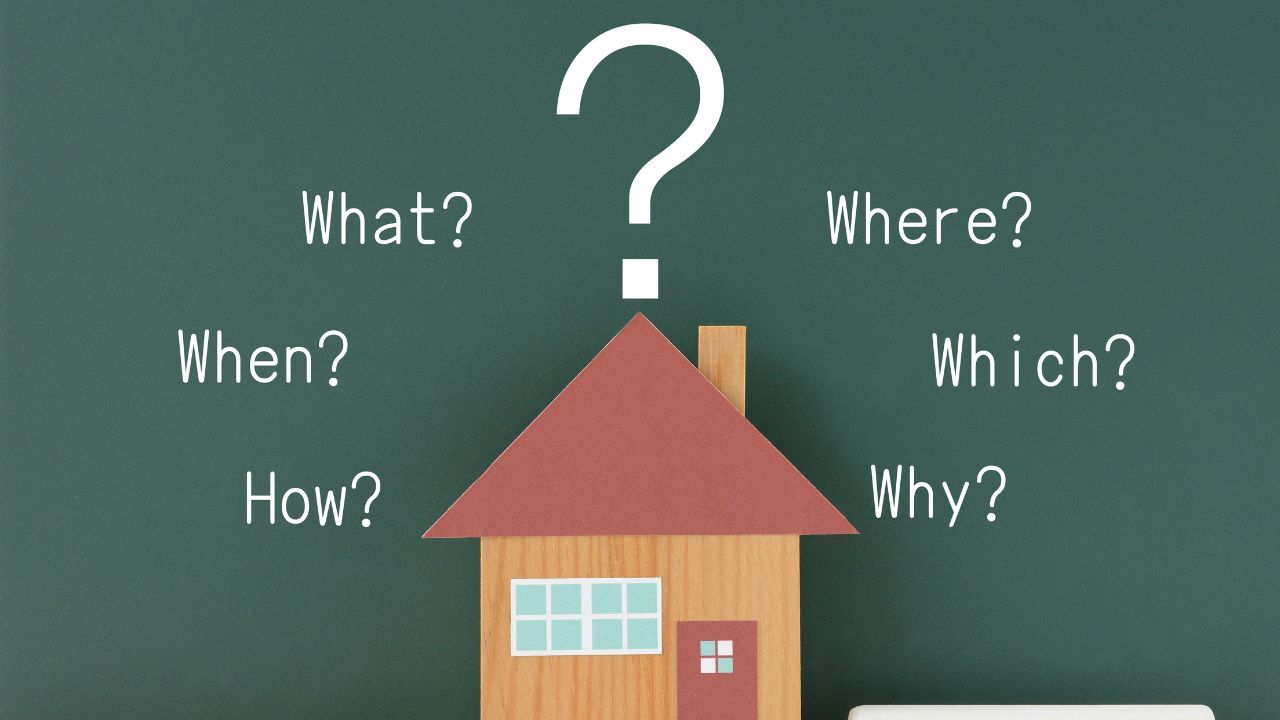 When you find a home you love, it is easy to get swept up in the excitement. But before you picture furniture placement or favorite paint colors, it is important to understand what the insurance landscape looks like for the property. Homeowners insurance is not only required by most lenders, it also protects your investment, your finances, and your peace of mind. As real estate professionals, we advise buyers to ask key insurance questions early so they avoid surprises and choose a home that fits their long-term budget.
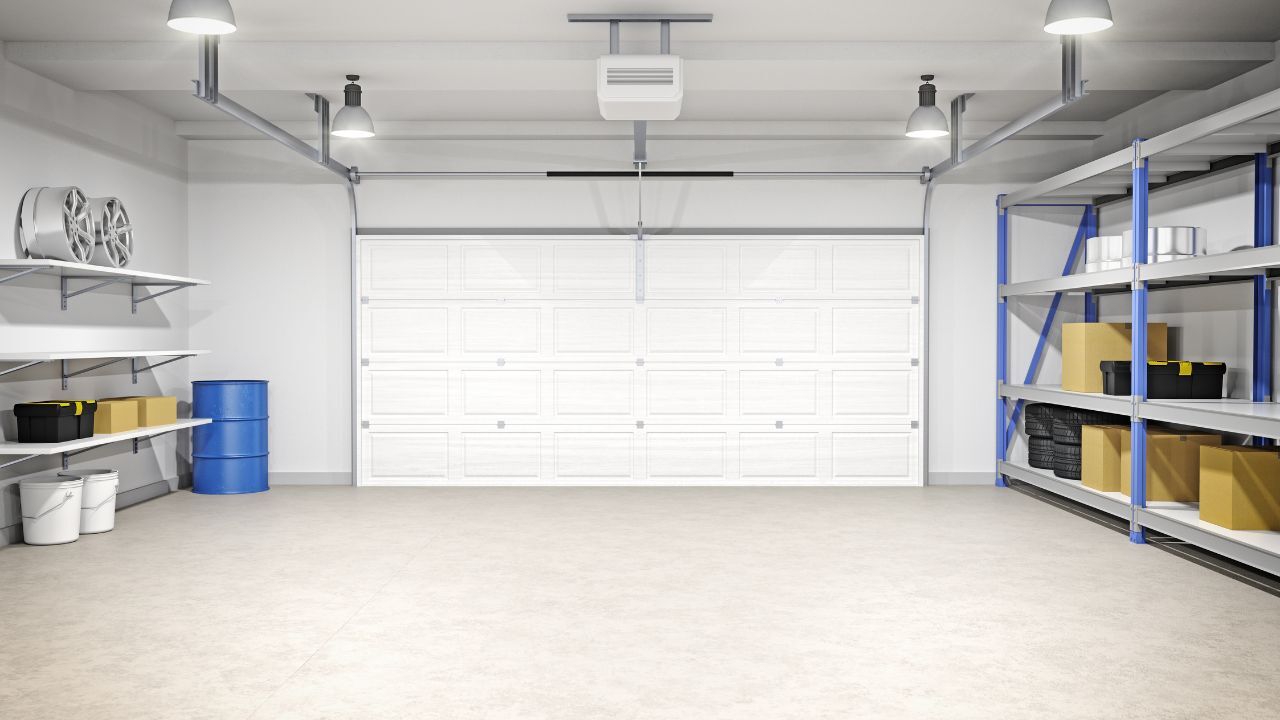 When buyers tour a home, the garage is often an afterthought, but it plays a much larger role in property value than many people realize. Garage size affects storage, functionality, lifestyle, and the overall appeal of a home. As real estate professionals, we often see buyers choose one home over another simply because the garage better fits their needs. Whether you plan to use the garage for parking, projects, or storage, its size can significantly influence long-term value and buyer interest.
 Finding a home with a low price can feel exciting, especially in a competitive market. However, the lowest priced home on the block is not always the best value. While it may seem like a smart way to save money, the true cost often becomes clear only after you look deeper. Understanding the risks and hidden factors can help you avoid a purchase that may cost more in the long run.
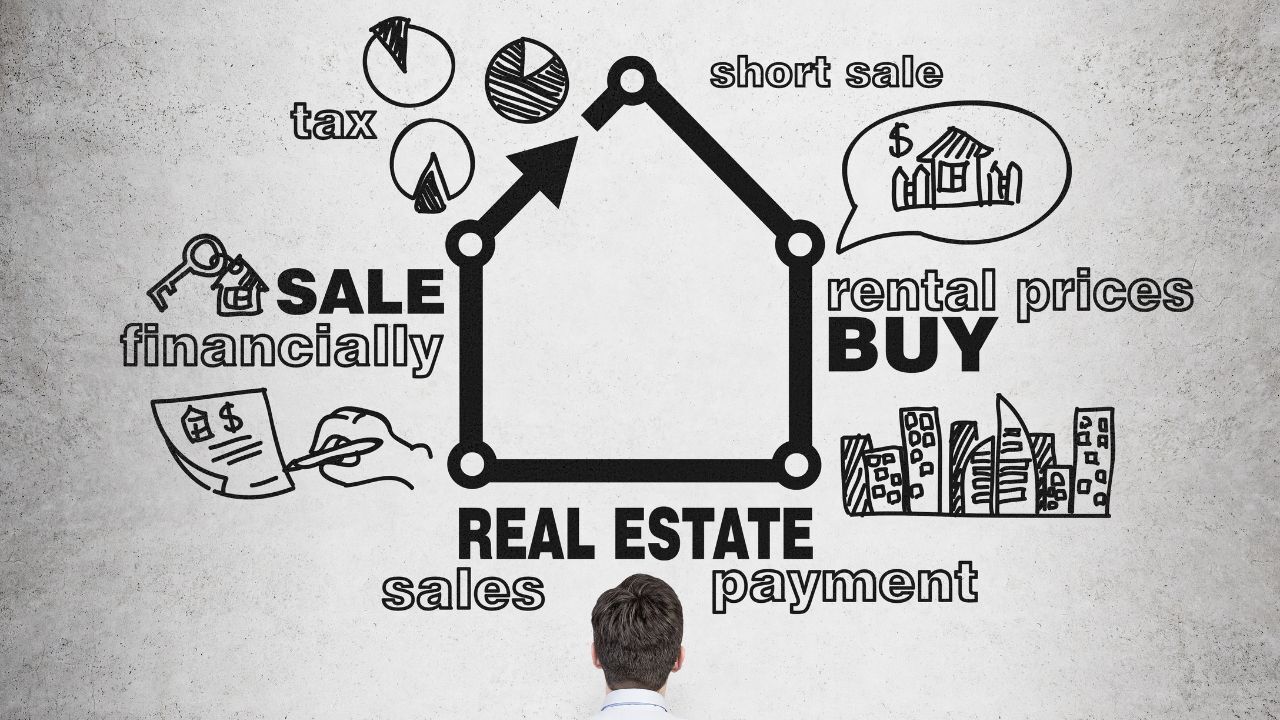 Buying a home is exciting, but the language of real estate can feel overwhelming if you are new to the process. Many buyers hear unfamiliar terms at showings, in listings, or during conversations with lenders. Understanding this language gives you more confidence and helps you make informed decisions as you move through your home search.
 Buying a home is one of the biggest financial decisions you’ll ever make, and you want to make sure you’re as prepared as possible. Whether you’re just starting to browse homes or are ready to put in an offer, one of the most important steps you can take is getting preapproved for a mortgage. Not only does it streamline the home-buying process, but it also puts you in the best position to make a successful offer. Here’s why getting preapproved now, before you start your house hunt, can make all the difference.
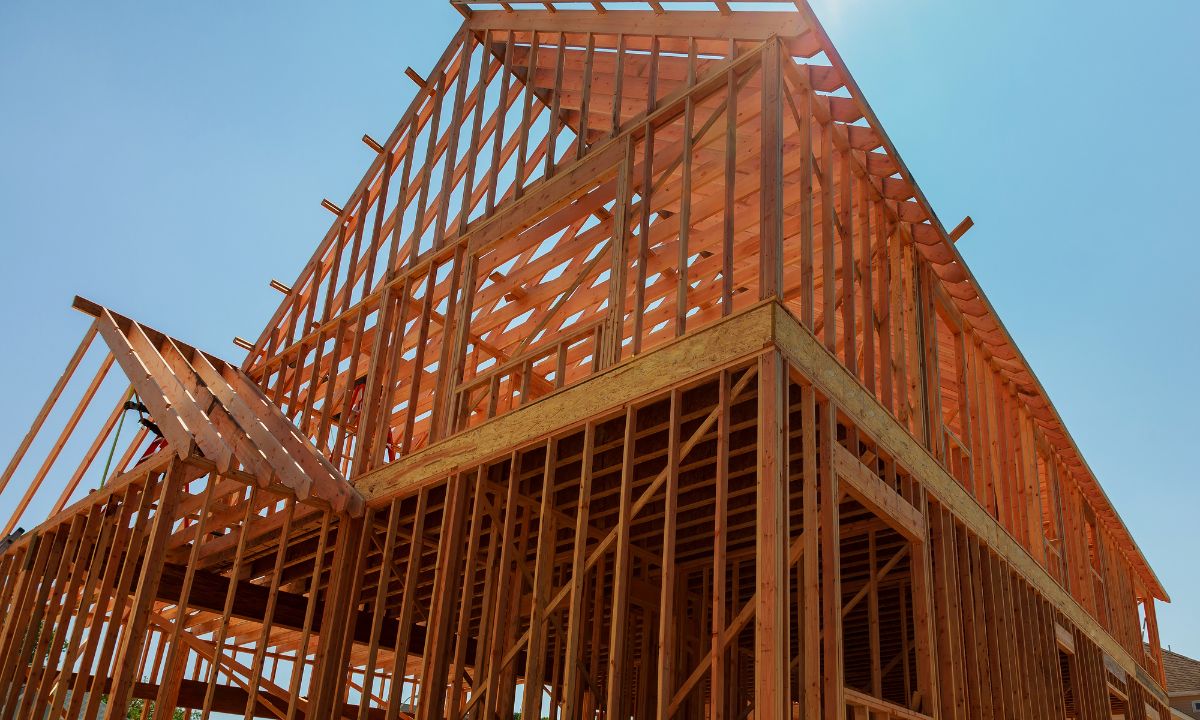 Purchasing a home is a major life decision, and for many homebuyers, the ideal property may not always come fully finished. An unfinished home offers a unique opportunity to create a space that suits your family’s needs while potentially saving money upfront. Whether you’re looking to save on your initial purchase or enjoy the flexibility of customizing your home, buying an unfinished house could be a great option.
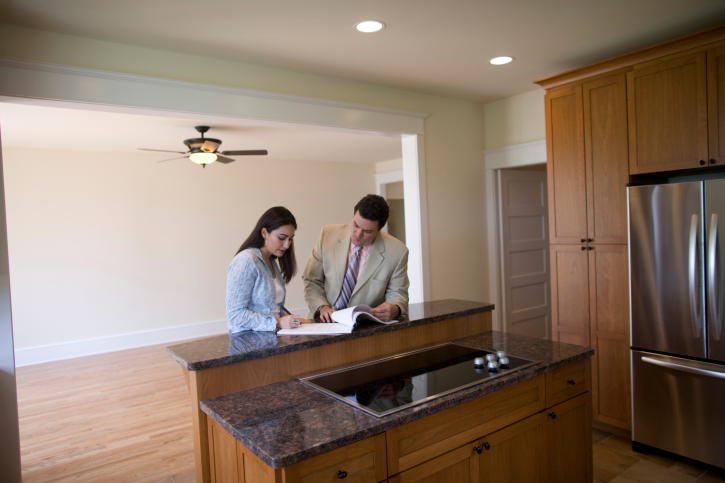 The purchase agreement is a vitally important document that outlines the provisions, terms and conditions for the transfer of property.