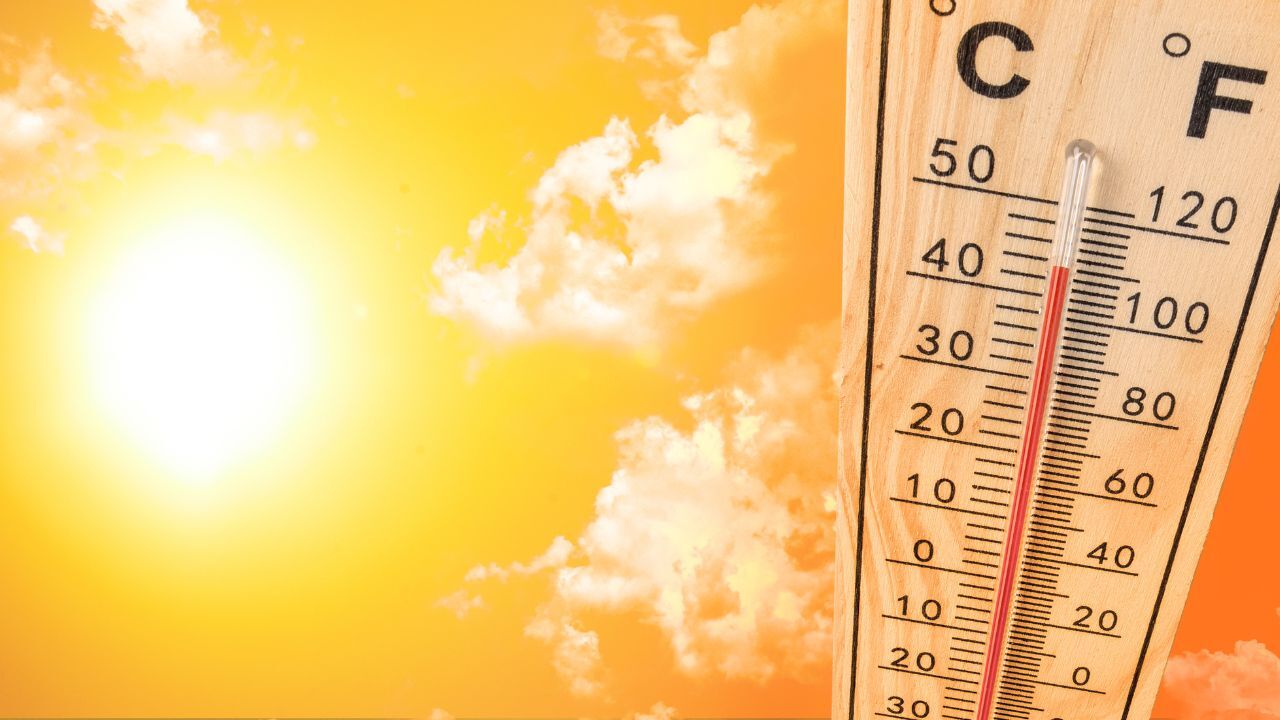
 Buying a home in an area with extreme heat comes with unique challenges that many buyers do not think about until after they move in. Hot climates can affect energy costs, home maintenance, long-term comfort, and even property value. As real estate professionals, we help buyers understand what to look for and how to choose a home that stays comfortable, safe, and cost-efficient in hotter regions. With the right preparation, you can make a smart purchase that supports your lifestyle and protects your investment.
Evaluate the Home’s Cooling System
The cooling system is one of the most important features in an area with extreme heat. Look for a well-maintained HVAC unit, proper insulation, and updated ductwork. Ask about the age of the system, its maintenance history, and the expected remaining lifespan. Older systems can lead to higher energy bills and expensive repairs. Choosing a home with an efficient cooling system can save you money and keep your home comfortable during heat waves.
Check the Home’s Insulation and Energy Efficiency
Insulation is not only for cold climates. In hot areas, proper insulation helps keep cool air inside and hot air outside. Check attic insulation, window quality, and weather stripping around doors. Features such as double-pane windows, energy-efficient roofs, and insulated garages add value and reduce cooling costs. These upgrades also help stabilize indoor temperatures, which is essential for long-term comfort.
Consider How Sun Exposure Impacts the Home
The direction a home faces can influence how much heat it absorbs. West-facing homes often receive intense afternoon sun, which can make certain rooms hotter and increase cooling costs. Look at how the home is positioned, check for shade structures, and consider whether the backyard becomes overly hot during peak temperatures. A home’s exposure can affect everything from utility bills to outdoor enjoyment.
Review Landscaping and Exterior Features
Landscaping can significantly impact heat management. Mature trees, covered patios, and shaded outdoor areas provide natural cooling and reduce heat buildup. Certain exterior materials, such as lighter roof colors or reflective coatings, also help keep a home cooler. These features improve comfort, reduce energy usage, and enhance the property’s long-term value in hot climates. Homes with thoughtful landscaping tend to perform better against extreme heat.
Understanding the Long-Term Maintenance Needs
Extreme heat can accelerate wear and tear on roofs, exterior paint, windows, and HVAC systems. When evaluating a home, consider the long-term maintenance costs associated with the climate. Routine roof inspections, regular HVAC tune-ups, and timely exterior maintenance are essential to prevent heat-related damage. Planning for these costs helps you avoid surprises and keeps your home in strong condition year after year.
Choosing a home in an area with extreme heat requires careful evaluation and smart planning. By focusing on energy efficiency, cooling systems, sun exposure, and long-term maintenance, you can make a confident real estate decision and enjoy a comfortable home that performs well in even the hottest seasons.
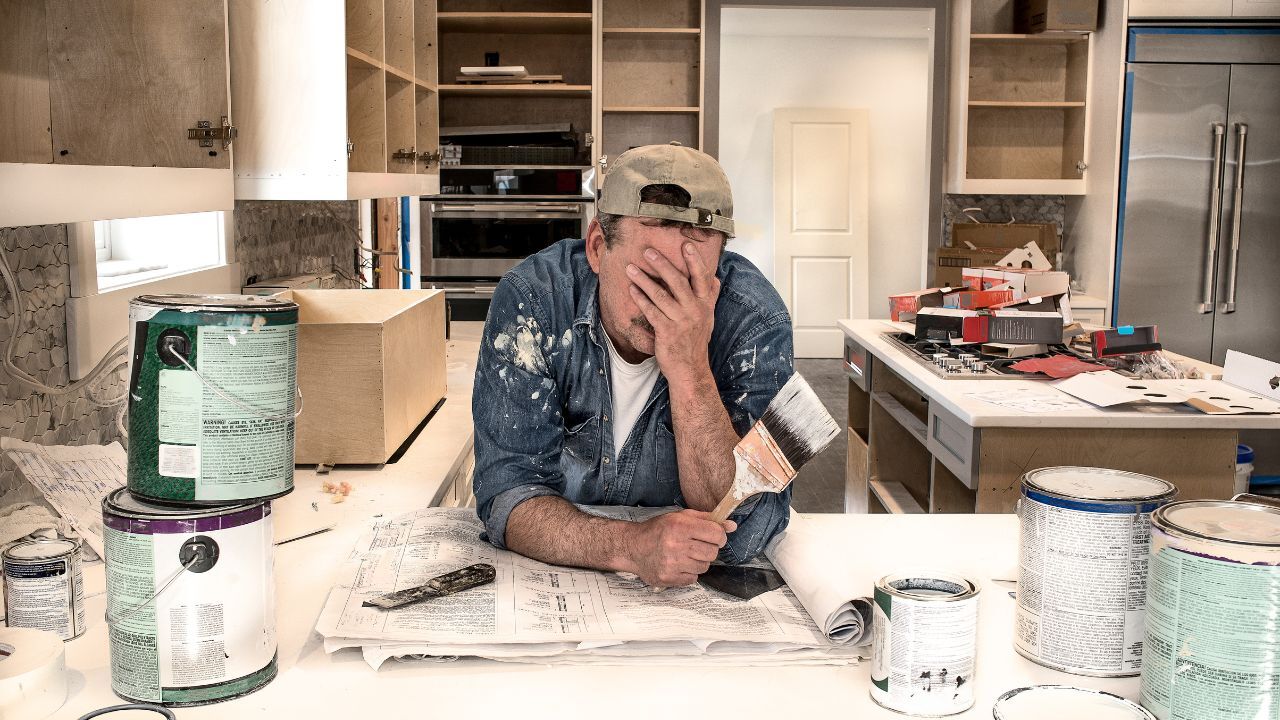 Buying a fixer-upper can be a smart way to build equity, customize a home, and stay within budget in a competitive market. The challenge is knowing the difference between a great investment and a true money pit. As real estate professionals, we guide buyers through this decision every day. With the right preparation and the right expectations, you can choose a home with potential instead of one that drains your savings and your sanity.
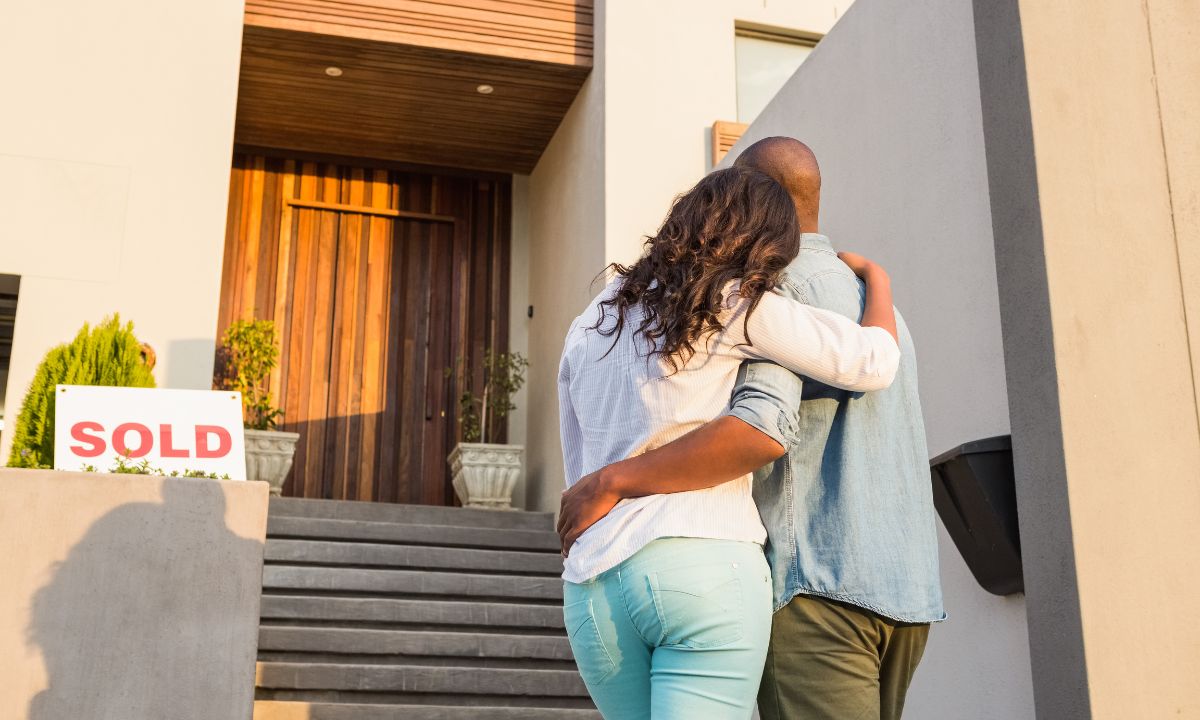 The home-buying journey is thrilling but can take longer than expected, especially if you need to restart after a purchase falls through. So, how long should you plan for? Generally, you can expect the process to take around four months, divided into three main phases: the search, the offer, and financing.