When you walk through a home, the little details can reveal more than you might expect. Peeling paint and sticky doors may look like small cosmetic issues, but they can signal deeper problems that should not be ignored. As real estate professionals, we encourage buyers to pay close attention to these signs during showings and inspections. Understanding what these issues may be telling you helps protect your investment and gives you a clearer picture of the home’s true condition.
Peeling Paint May Signal Moisture Issues
Peeling or bubbling paint is often caused by moisture trapped behind the surface. While it can happen from humidity or improper paint application, it is sometimes a sign of water leaks, plumbing problems, or poor ventilation. Pay close attention to peeling paint in bathrooms, kitchens, basements, or near windows. Moisture-related paint damage should always be evaluated carefully because it can indicate mold, wood rot, or hidden water intrusion.
Sticky Doors May Indicate Foundation Shifts
Doors that stick, drag on the floor, or do not close properly might seem like minor annoyances, but they can indicate foundation settlement. Homes naturally shift over time, but excessive movement can affect doorframes, windows, and flooring. Sticky doors on multiple levels of the home or paired with visible cracks in walls can be signs of structural changes. A professional inspection can determine whether the issue is normal settling or a more serious problem.
Peeling Paint Near Windows May Point to Drafts or Aging Materials
If paint is peeling near window frames or sills, it can indicate drafts or wood deterioration. Older windows may allow moisture to seep in, which causes paint to separate. This can lead to reduced energy efficiency, higher utility bills, and potential long-term damage. Buyers should check whether the windows need repair or replacement. Updated, energy-efficient windows add value and prevent future maintenance issues.
Sticky Interior Doors Could Signal High Humidity
Not all sticky doors are related to foundation issues. In some cases, they are caused by interior humidity levels, especially in homes without proper ventilation or inconsistent climate control. Wood expands when exposed to moisture, which can make doors swell and stick. While this issue is less serious, it can still indicate the need for better ventilation or HVAC adjustments.
Use These Clues to Ask the Right Questions
Every home has quirks, but peeling paint and sticky doors are clues worth investigating. Bring these concerns to your real estate professional and home inspector. They can help you determine whether the issue is cosmetic, easily fixable, or a sign of something larger. Asking the right questions early helps you make an informed, confident decision and avoid unexpected repair costs.
Small details can reveal big insights. By paying attention to peeling paint, sticky doors, and other subtle signs, you can better understand a homeís condition and choose a property that supports your safety, comfort, and long-term value.
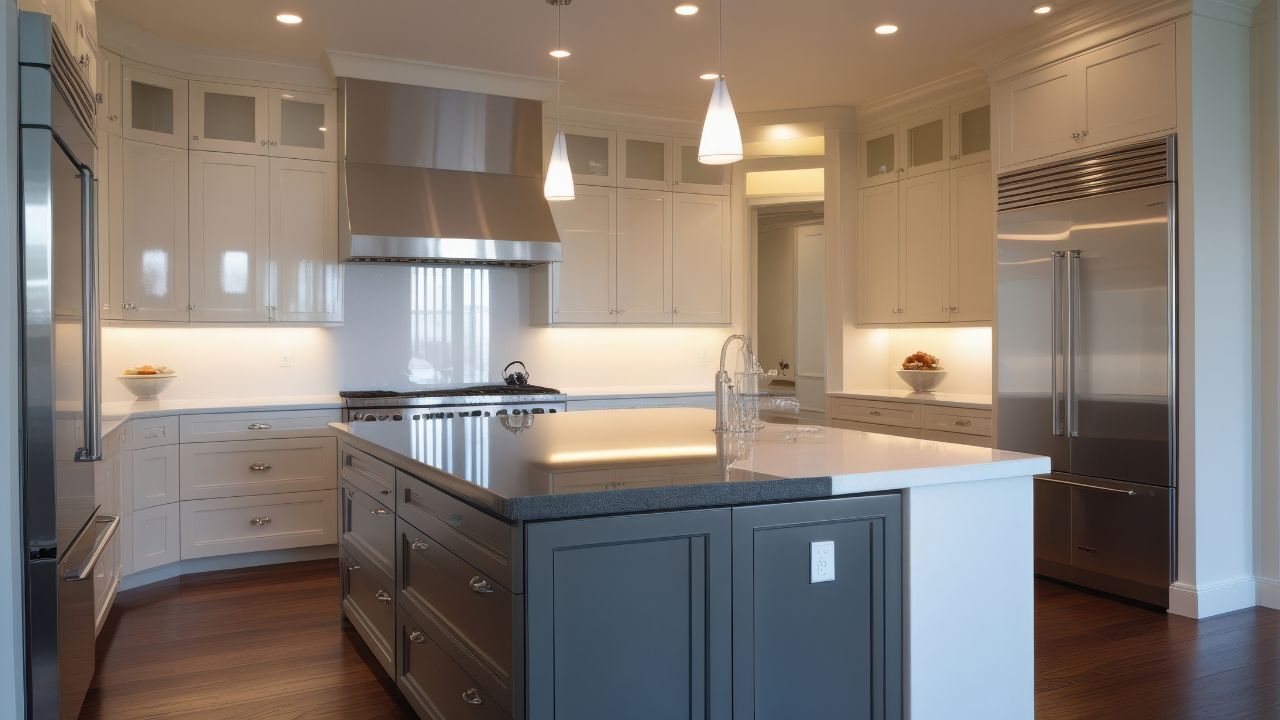 When you are shopping for a home, it is easy to be distracted by features that look impressive during a showing but do not add much value to your everyday life. As real estate professionals, we see buyers fall in love with flashy upgrades that end up unused while overlooking practical features that make a home truly comfortable. Knowing which features are overrated and which ones buyers genuinely rely on can help you choose a home that fits your lifestyle instead of one that simply looks good online.
 When you start shopping for a home, location becomes one of the most important factors in the decision-making process. One choice buyers often overlook is whether the home is located next to commercial property. At first glance, living near shops, restaurants, or offices may seem convenient. But as real estate professionals, we know that commercial neighbors can bring long-term benefits as well as long-term challenges. Understanding the full impact helps you decide whether the location supports your lifestyle and your investment.
 Virtual tours have become one of the most valuable tools in real estate. They give buyers the chance to explore a home from anywhere, view the layout at their own pace, and get a better sense of how the space flows. But virtual tours are not perfect. They can reveal things that standard listing photos cannot, and they can also hide details if you do not know what to look for. As real estate professionals, we help buyers understand how to use virtual tours wisely so they can make informed decisions before seeing a home in person.
 When you walk into a home, the smell is one of the first things you notice, even before you fully take in the layout or the finishes. Most buyers do not realize how much odors can reveal about a home’s condition. As real estate professionals, we encourage buyers to pay close attention to unusual smells, because even small odors can signal bigger problems hiding beneath the surface. Knowing which smells to take seriously can save you time, money, and future headaches.
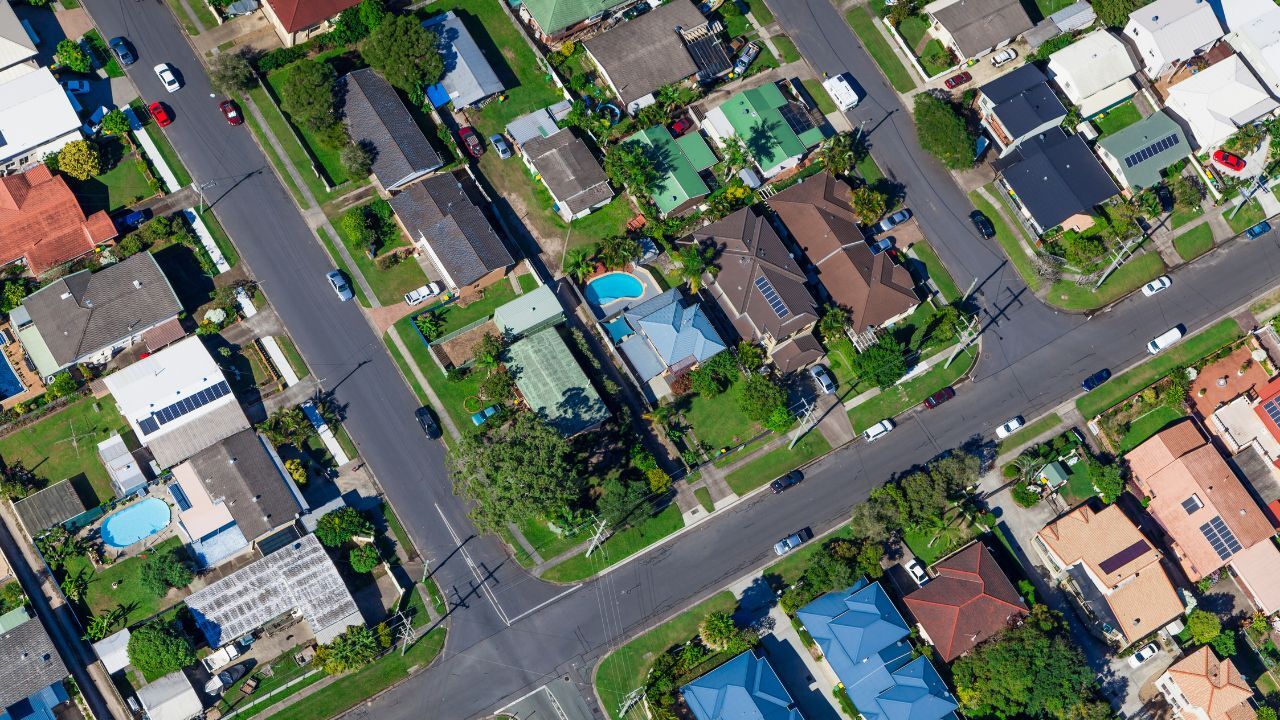 Finding a home with a low price can feel exciting, especially in a competitive market. However, the lowest priced home on the block is not always the best value. While it may seem like a smart way to save money, the true cost often becomes clear only after you look deeper. Understanding the risks and hidden factors can help you avoid a purchase that may cost more in the long run.
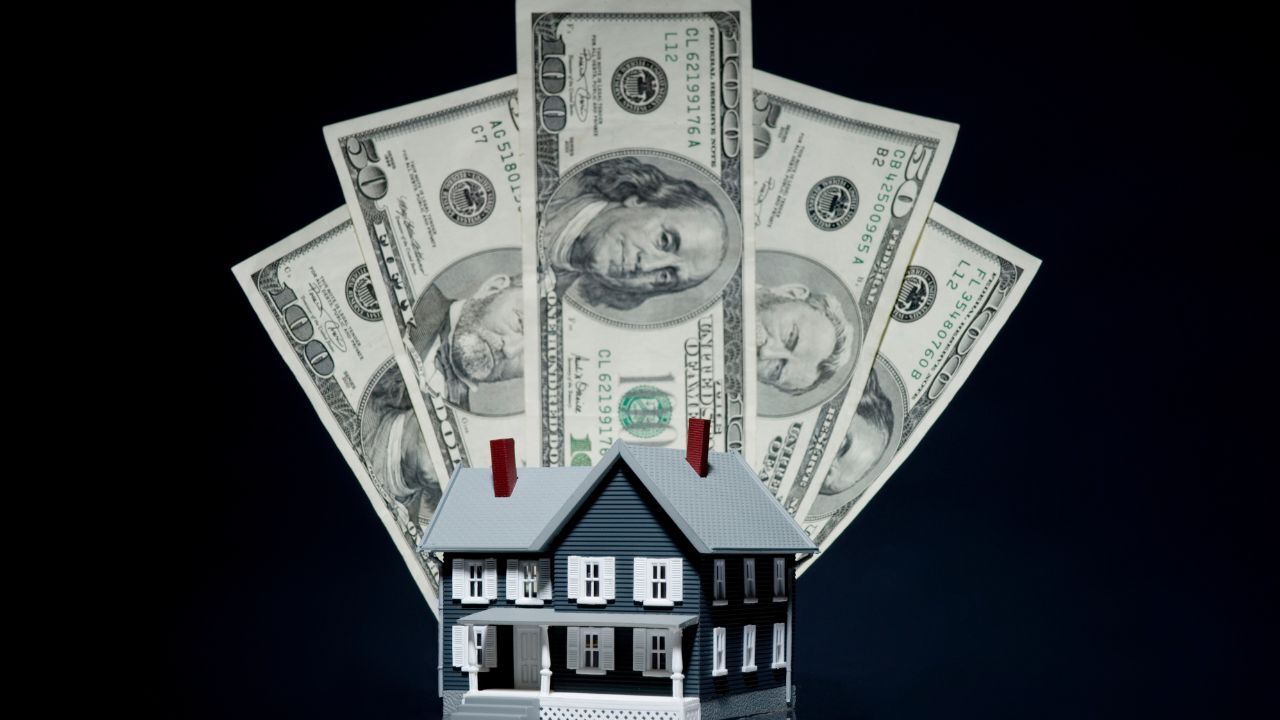 Buying a home is often the largest financial decision in a personís life, but there are strategies that can help buyers save significant amounts of money. By understanding the process, planning carefully, and leveraging expert advice, buyers can make smarter decisions and reduce costs without sacrificing quality or location.
 Selling a home can feel straightforward, but many homeowners are surprised by the hidden costs that can affect their bottom line. Beyond the agentís commission and mortgage payoff, a variety of expenses can accumulate during the selling process. Understanding these costs ahead of time ensures you are financially prepared and helps avoid surprises at closing.
 Buying a home is one of the most significant financial and emotional decisions many people will make. While excitement can sometimes cloud judgment, careful planning and informed decision-making can help you purchase a home you truly love and avoid regrets. Understanding what matters most, balancing emotions with logic, and working with trusted professionals are key steps in the process.
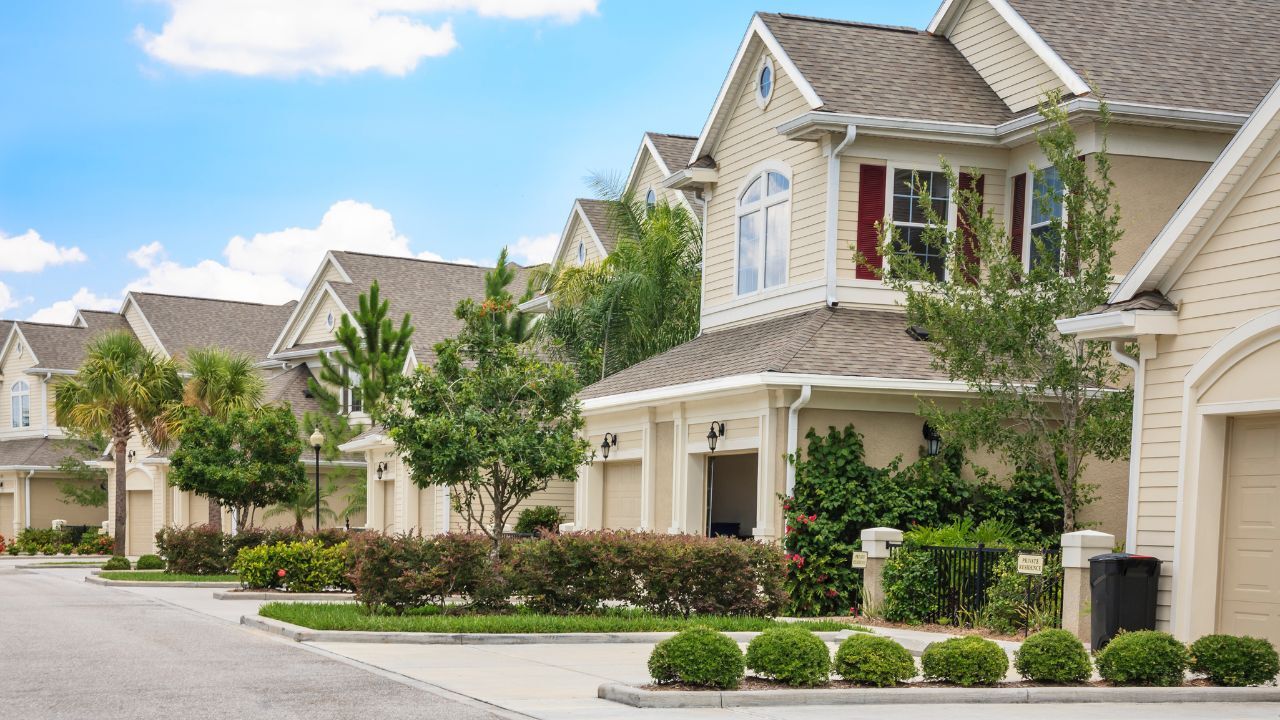 When buying a home, it is natural to focus on the property itself, from layout to finishes and outdoor space. However, many real estate experts agree that the neighborhood can be just as important, if not more so, in determining your long-term happiness, property value, and lifestyle. Understanding the interplay between the home and its surroundings can help buyers make informed decisions that balance both priorities.