
• Texas Real Estate Commission Consumer Protection Notice
  • Texas Real Estate Information About Brokerage Services

Navy Fellas Realty Group

Real Estate, Residential sales and purchase

  • Home
  • About Us
    • About James
    • About Ashley
    • About Our Team
    • Accessibility Statement
  • Property Search
  • Resources
    • Home Buyer Tips
    • Home Seller Tips
  • Video Walkthroughs
    • Saratoga Homes (Plantation Lakes -Katy, Tx.)
    • David Weekly Home (Towne Lake)
    • Taylor Morrison Home (Alder Trails)
    • Ashton Woods (Towne Lake)
  • Blog
  • Contact

How Automation and Technology are Changing Real Estate

January 16, 2026 by James Scott

In the rapidly evolving landscape of real estate, smart homes are emerging as a transformative force, reshaping the way we live and interact with our living spaces. Automation and technology have become integral components of modern homes, offering unprecedented levels of convenience, efficiency, and sustainability. This article delves into the burgeoning realm of smart homes, exploring the impact of automation and technology on the real estate industry and the future trends that promise to redefine our concept of home.

The Rise of Smart Home Technology

The past decade has witnessed an explosion in smart home technology, with devices ranging from smart thermostats and lighting systems to security cameras and virtual assistants. These innovations are designed to enhance comfort, security, and energy efficiency, providing homeowners with greater control over their living environments.

Integration and Connectivity

One of the key trends driving the future of smart homes is the increasing integration and connectivity of devices. The advent of the Internet of Things (IoT) has enabled seamless communication between various smart devices, creating a unified and interconnected home ecosystem. This connectivity allows homeowners to control and monitor their homes remotely, leading to increased efficiency and peace of mind.

Home Automation and Artificial Intelligence

Automation and artificial intelligence (AI) are at the forefront of the smart home revolution. Intelligent systems can learn from user behavior and adapt to preferences, automating routine tasks and creating personalized living experiences. From adjusting the thermostat to optimizing energy consumption, AI-driven automation is set to become an integral part of future smart homes.

Energy Efficiency and Sustainability

The future of smart homes is intrinsically linked to sustainability. Smart technologies play a crucial role in optimizing energy usage, reducing waste, and promoting eco-friendly practices. Energy-efficient appliances, smart HVAC systems, and solar-powered solutions contribute to both environmental sustainability and cost savings for homeowners.

Enhanced Security Features

Security is a top priority for homeowners, and smart home technology is revolutionizing the way we approach safety. Advanced security systems, including smart locks, video doorbells, and AI-powered surveillance, provide real-time monitoring and alerts. These features not only enhance home security but also offer a sense of control and peace of mind.

The Impact on Real Estate Values

As smart home technology becomes more prevalent, it is influencing property values. Homes equipped with the latest automation features tend to be more attractive to buyers and can command higher prices. Real estate developers are increasingly incorporating smart home features into new constructions, recognizing the growing demand for technologically advanced living spaces.

Challenges and Considerations

While the future of smart homes is promising, some challenges need to be addressed, such as data security and privacy concerns. As homes become more interconnected, the need for robust cybersecurity measures becomes paramount to safeguard sensitive information and protect residents from potential threats.

Redefining the Home Experience

The future of smart homes is marked by the seamless integration of automation and technology, fundamentally transforming the real estate landscape. Homebuyers and homeowners alike are seeking innovative solutions that enhance comfort, security, and sustainability.

As technology continues to advance, the smart home revolution is poised to redefine our concept of home, creating living spaces that are not only intelligent but also responsive to the evolving needs and preferences of residents.

Filed Under: Mortgage Tips Tagged With: Automation, Mortgage, Technology

A Comprehensive Guide to Explaining Escrow Accounts

January 14, 2026 by James Scott

Whether you’re a first-time homebuyer or a seasoned homeowner considering a refinance, the term “escrow account” often looms as a source of confusion. Yet, understanding the ins and outs of escrow accounts is crucial for managing your homeownership responsibilities effectively. In this article, we’ll address some common questions and concerns regarding escrow accounts to shed light on their importance and functionality.

What is an Escrow Account?

Escrow accounts, sometimes referred to as “impound” accounts, serve as a financial mechanism to facilitate the payment of property taxes and homeowner’s insurance. Typically, lenders require homeowners to contribute a portion of these expenses upfront, which is then deposited into the escrow account for disbursement.

Who Controls Escrow Accounts?

Lenders maintain complete control over escrow accounts. However, homeowners are entitled to receive an annual statement detailing their escrow balance. Should there be fluctuations in insurance premiums or tax assessments, homeowners can request a review of the escrow account to adjust payment amounts accordingly.

Is Interest Paid on Escrow Accounts?

Federal regulations do not mandate the payment of interest on escrow accounts. When refinancing a home, the funds allocated for taxes and insurance are factored into the overall mortgage payment, with the portion designated for these expenses placed in escrow.

What Happens During a Home Sale or Refinance?

Upon selling or refinancing a home, the escrow account is credited at closing. Homeowners may opt to apply the credited amount towards reducing out-of-pocket expenses or receive it as a direct payment.

Managing Shortfalls and Overages

In cases where the escrow account falls short of anticipated expenses, the lender may request additional payments from the homeowner to cover the deficit. Conversely, if there’s an overage in the escrow account, lenders have the discretion to refund the excess amount directly to the homeowner. Generally, shortfalls or overages of $50 or less are deemed negligible.

The Benefits of Escrow Accounts

For homeowners, escrow accounts offer a streamlined approach to managing recurring expenses associated with homeownership. By spreading out payments for taxes and insurance throughout the year, escrow accounts alleviate the burden of lump-sum payments, ensuring financial stability and peace of mind.

While escrow accounts may initially seem complex, they play a pivotal role in simplifying the financial aspects of homeownership. By understanding how escrow accounts function and their benefits, homeowners can navigate the process with confidence and clarity. Whether mandated by lenders or chosen for convenience, escrow accounts serve as a practical tool for effectively managing homeownership expenses. If you have questions or concerns regarding escrow accounts, don’t hesitate to consult with your lender or financial advisor for personalized guidance.

Filed Under: Homebuyer Tips Tagged With: Escrow, Mortgage, Real Esate

15-Year vs. 30-Year Loans Compared

March 15, 2024 by James Scott

Choosing the right mortgage term is a critical decision when purchasing a home. The two most common options are 15-year and 30-year mortgage terms. Let’s compare the advantages and disadvantages of each to help you make an informed decision:

15-Year Mortgage Advantages:

Interest Savings: The most significant advantage of a 15-year mortgage is the amount of interest you can save over the life of the loan. With a shorter term, you pay less interest because the loan is repaid more quickly.

Faster Equity Building: Monthly payments for a 15-year mortgage are higher, but a larger portion of each payment goes toward the principal. This results in faster equity buildup, which can be beneficial if you plan to sell or refinance in the future.

Lower Interest Rate: Generally, 15-year mortgages come with lower interest rates compared to 30-year mortgages. This can contribute to overall interest savings.

15-Year Mortgage Disadvantages:

Higher Monthly Payments: The main drawback of a 15-year mortgage is the higher monthly payments. This option may strain your monthly budget as compared to a longer-term loan.

Reduced Flexibility: Higher monthly payments can limit your financial flexibility. If unexpected expenses arise, you may find it challenging to meet the higher mortgage payment.

30-Year Mortgage Advantages:

Lower Monthly Payments: The primary advantage of a 30-year mortgage is the lower monthly payments, making it more manageable for many homebuyers. This can free up cash for other investments or expenses.

Greater Flexibility: Lower monthly payments provide greater financial flexibility. You can allocate extra funds towards investments, emergency savings, or other financial goals.

Tax Deductibility: Mortgage interest is often tax-deductible, and with a 30-year mortgage, you may have higher interest payments, potentially resulting in a larger tax deduction.

30-Year Mortgage Disadvantages:

Higher Total Interest Paid: While monthly payments are lower, the total interest paid over the life of the loan is higher compared to a 15-year mortgage. This means you’ll pay more for your home in the long run.

Slower Equity Buildup: With lower monthly payments, a smaller portion of each payment goes toward the principal. This leads to slower equity buildup compared to a 15-year mortgage.

Considerations:

Financial Goals: Consider your financial goals and priorities. If you prioritize long-term savings and can comfortably afford higher monthly payments, a 15-year mortgage might be suitable.

Budget and Cash Flow: Evaluate your monthly budget and cash flow. If you need more flexibility and want to keep monthly payments lower, a 30-year mortgage may be a better fit.

Long-Term Plans: Consider your long-term plans. If you plan to stay in the home for a significant period, a 30-year mortgage may offer more financial flexibility.

Ultimately, the choice between a 15-year and a 30-year mortgage depends on your individual financial situation, goals, and preferences. It’s advisable to consult with a financial advisor or mortgage professional to make the best decision based on your unique circumstances.

Filed Under: Real Estate Tagged With: 15-Year, Loan Options, Mortgage

You Ask, We Answer: What Are the Pros and Cons of Private Mortgage Insurance?

December 20, 2023 by James Scott

It’s easy to get Private Mortgage Insurance (PMI) confused with homeowners’ insurance, but PMI is an entirely different thing that may or may not be necessary when it comes to your home purchase. If you’re going to be investing in a home in the near future and are wondering what PMI may mean for you, here are some things to consider regarding this type of insurance.
Your Down Payment Amount

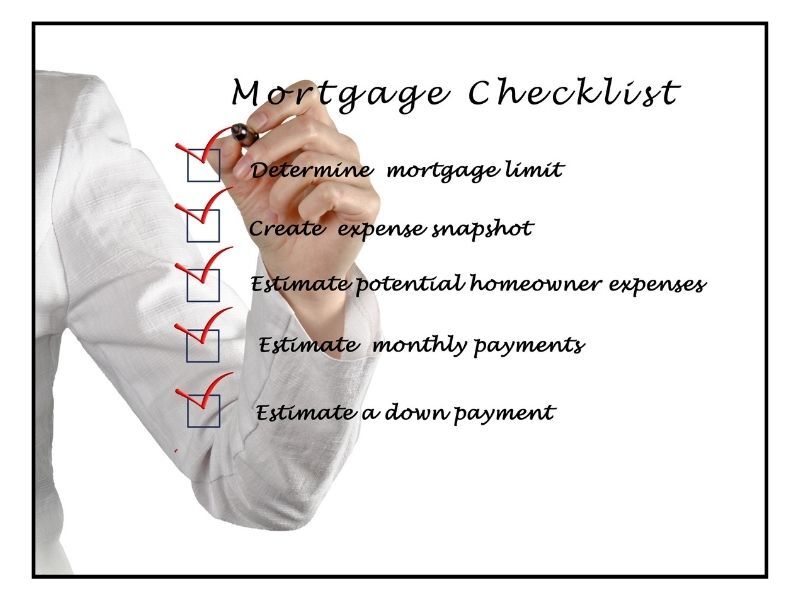
If you’ve been perusing the housing market for a while, you’ve probably heard that 20% is the ideal amount to put down when investing in a home; however, you might not realize why. The truth is that 20% down is the suggested amount because this will enable you to avoid having to pay PMI on the purchase of your home. In this regard, PMI is a protective measure for lenders since they may be taking on more financial risk with those who have less equity built up in their homes.

Getting Into The Market

For those who want to get into the real estate market right away and only have 10-15% to put down, PMI can be a means of being able to invest before mortgage rates increase. While buying a home when you want can certainly be a benefit, it’s also worth realizing that PMI is an additional fee and will impact the total cost of your home loan. It may be a risk worth taking if you want to buy now, but if it’s the total cost you’re considering, it may be better to save more before buying.

Getting Money Back

Whether you’re a homeowner or not, most people don’t look forward to tax time no matter how much money they get back. However, if you have PMI for your home, you’ll not only be able to get a variety of tax deductions, but you will also be able to get back some of the money that you invested into your private mortgage insurance. It may not be enough of a deduction to compete with saving up, but if you’ve found the perfect home the deductions can serve as an added incentive.

While you’ll only be required to pay PMI if you put down less than 20%, it can be a benefit if you’re looking to purchase a home right away. If you’re currently pursuing your options on the real estate market, reach out to one of our mortgage professionals for more information.

Filed Under: Home Mortgage Tips Tagged With: Home Mortgage Tips, Mortgage, Mortgage Insurance

Speed Your Mortgage Approval up by Following This Checklist

November 30, 2023 by James Scott

Have you finally found your dream home after months of searching, and then you are told that the seller has received other offers? No buyer wants to find themselves in a bidding war against another buyer as it is a stressful situation. Being unprepared and not having your finances in order will make it even more stressful. Here are a few quick ways if you’re looking to speed up your mortgage approval process, here’s a checklist to help you prepare:
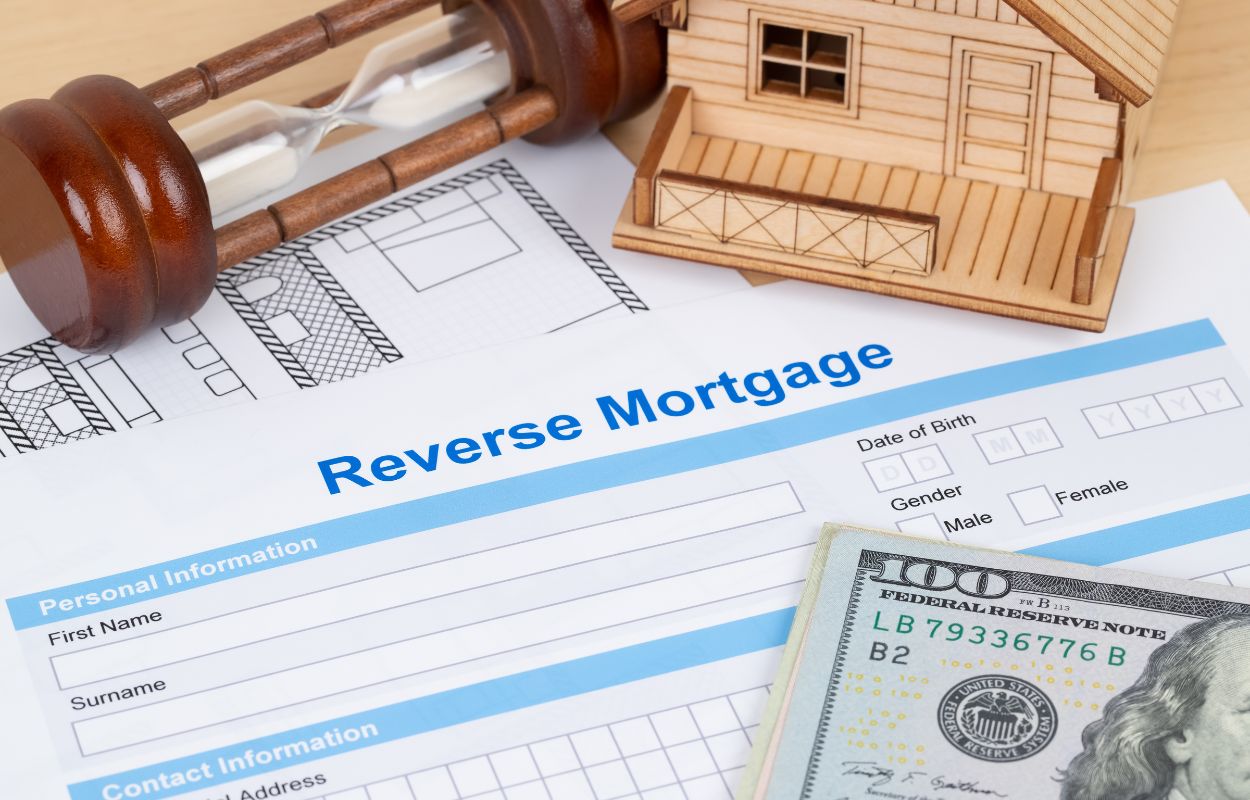
·        Review your credit report: Maintain a good credit score by paying bills on time, reducing existing debt, and avoiding new credit inquiries. Check your credit report for errors and make sure your credit score is in good shape. A good credit score can positively impact the approval and interest rate you receive.

·        Gather financial documents: Gather all necessary paperwork beforehand, including pay stubs, tax returns, bank statements, and any other financial documentation. Having these readily available will expedite the application process.

·        Save for a down payment: A larger down payment can reduce the risk for lenders, making them more inclined to approve your loan faster. It can also decrease the time needed for certain approval processes.

·        Stay at your job: It’s best to avoid changing jobs during the mortgage approval process.

·        Avoid new credit: Don’t apply for new credit or take on new debt during the approval process.

·        Don’t make big purchases: Avoid making large purchases, such as a car, during the approval process.

·        Respond promptly to requests: Once you’ve applied for a mortgage, respond promptly to any requests from your lender. Delays often occur when there’s a lack of communication or slow responses to queries or requests for additional information.

·        Work with a reputable lender: Choose a lender with a good reputation and experience in the mortgage industry.

·        Get pre-approved: Consider getting pre-approved for a mortgage before house hunting to speed up the approval process.

Stay informed about the process and ask questions if you’re unsure about any step. Following this checklist can help speed up your mortgage approval process and make the process smoother and less stressful.  Good communication with your lender is key to ensuring a smooth and expedited process.

Filed Under: Home Buyer Tips, Homebuyer Tips Tagged With: Credit Score, Mortgage, Mortgage Approval

Three Reasons Why You Might Consider a Reverse Mortgage When Nearing Retirement

November 29, 2023 by James Scott

As retirement approaches, many individuals find themselves faced with financial challenges and uncertainties. One option that is often overlooked but can be incredibly beneficial is the reverse mortgage. A reverse mortgage is a financial tool that allows homeowners aged 62 and older to convert a portion of their home equity into tax-free funds. Here are three compelling reasons why you might consider a reverse mortgage when nearing retirement:

Supplement Your Retirement Income:

One of the most common concerns for retirees is whether they will have enough income to maintain their desired lifestyle throughout their golden years. Social Security and retirement savings may not always be sufficient to cover all expenses, and this is where a reverse mortgage can come to the rescue.

With a reverse mortgage, you receive monthly payments, a lump sum, or a line of credit based on the equity in your home. The funds you receive are not considered taxable income, and they can be used to supplement your retirement income, pay off existing mortgage debt, or cover unexpected medical expenses.

Eliminate Monthly Mortgage Payments:

A significant advantage of a reverse mortgage is that it allows you to eliminate monthly mortgage payments. By converting your home equity into a reverse mortgage, you can live in your home without the burden of monthly payments. This can free up a substantial portion of your income for other expenses, improving your financial security and reducing your financial stress.

Maintain Ownership of Your Home:

Some people worry that a reverse mortgage will require them to give up ownership of their home. However, this is not the case. With a reverse mortgage, you retain ownership of your home as long as you continue to live in it and maintain it. The loan is repaid when you or your heirs sell the property or when you no longer live in the home.

It’s important to note that a reverse mortgage is not suitable for everyone, and there are eligibility requirements and responsibilities associated with it. Before considering a reverse mortgage, it’s advisable to consult with a financial advisor or mortgage specialist to understand the terms, implications, and potential risks involved.

A reverse mortgage can be a valuable tool for retirees facing financial challenges or seeking to enhance their retirement lifestyle. When nearing retirement, it’s essential to explore all your financial options to make informed decisions that best align with your specific needs and goals. A reverse mortgage may be the right choice for you to enjoy a more comfortable and financially secure retirement.

Filed Under: Mortgage Tips Tagged With: Mortgage, Retirement, Reverse Mortgage

Comparing Temporary and Permanent Mortgage Buydowns

November 28, 2023 by James Scott

When it comes to mortgages, a “buydown” generally refers to paying an extra fee upfront to reduce the interest rate over a specific period. There are typically two types: temporary buydowns and permanent buydowns.
Permanent Buydown:
With a permanent buydown, the borrower pays extra fees at the beginning of the loan to permanently reduce the interest rate over the entire life of the loan. This differs from a temporary buydown because the reduced rate remains constant for the entire loan term, potentially resulting in lower overall interest payments.

Temporary Buydowns

A temporary buydown is a type of mortgage financing in which the borrower pays an upfront fee to temporarily reduce the interest rate on the mortgage for a specific period of time. During this period, the borrower enjoys lower monthly mortgage payments, which can help make homeownership more affordable.

The temporary buydown typically lasts for the first few years of the mortgage, usually 1 to 3 years. The borrower pays a one-time fee at closing, which is used to fund the temporary reduction in the interest rate. The fee can either be paid in cash or financed into the loan amount.

During the buydown period, the borrower’s interest rate is lower than the fully indexed rate. For example, if the fully indexed rate on a 30-year fixed mortgage is 4%, a temporary buydown might reduce the interest rate to 2% in the first year, 3% in the second year, and 4% in the third year, after which it would revert to the fully indexed rate for the remainder of the loan term.

The lower interest rate during the buydown period results in lower monthly mortgage payments for the borrower, which can make homeownership more affordable in the early years of the loan. This can be particularly beneficial for borrowers who anticipate lower income during the early years of homeownership but expect to earn more in the future.

It’s important to note that while a temporary buydown can lower monthly payments during the buydown period, it does not reduce the total amount of interest paid over the life of the loan. In fact, the total interest paid over the life of the loan may be higher due to the upfront fee paid to fund the buydown.

Better to do a Temporary Buydown or buy the rate down forever?

Deciding whether to do a temporary buydown or buy the rate down permanently depends on your specific financial situation and goals.

If you plan to stay in the home for a long time and have the financial means to pay the upfront fee, buying the rate down permanently may be a better option. This will result in a lower interest rate and lower monthly payments for the entire term of the loan, which can save you money in the long run.

On the other hand, if you plan to sell the home or refinance the mortgage before the buydown period ends, a temporary buydown may be a better option. The lower payments during the buydown period can help make homeownership more affordable in the short term, without committing to a higher interest rate for the life of the loan.

In general, it’s important to carefully consider your financial goals and circumstances when deciding whether to do a temporary buydown or buy the rate down permanently. You may want to consult with a financial advisor or mortgage professional to help you make the best decision for your individual needs.

Filed Under: Homeowner Tips, Mortgage Tips Tagged With: Mortgage, Mortgage Buydowns, Mortgage Options

What Are The Pros And Cons Of ‘No-Deposit’ Mortgage Deals For First-Time Buyers?

November 8, 2023 by James Scott

“No-deposit” mortgage deals for first-time buyers refer to mortgage options that allow buyers to purchase a home without having to put down a deposit or a down payment. Here are the pros and cons of such deals:

Pros:

Lower upfront costs: The most significant advantage of a no-deposit mortgage is that it eliminates the need for a substantial upfront deposit. This can be beneficial for first-time buyers who may struggle to save a large sum of money for a deposit.

Increased affordability: With a no-deposit mortgage, first-time buyers can purchase a home with a smaller amount of savings.

Potential investment opportunities: By utilizing a no-deposit mortgage, first-time buyers can allocate their savings toward other investments or use the funds for home improvements.

Cons:

Higher borrowing costs: No-deposit mortgages typically involve higher borrowing costs, including interest rates and fees. Lenders often consider these deals riskier, so they may offset the risk by charging higher interest rates or requiring additional insurance or guarantees.

Limited mortgage options: No-deposit mortgage deals are not as widely available as traditional mortgages. Lenders may have specific eligibility criteria or restrict the types of properties that qualify for these deals.

Negative equity risk: By not providing a deposit, buyers immediately start with little or no equity in their property. If property prices decrease, there is a higher risk of falling into negative equity. Negative equity occurs when the outstanding mortgage balance exceeds the value of the property.

Stricter eligibility criteria: Lenders offering no-deposit mortgages may impose stricter eligibility criteria. They may require a higher credit score, proof of stable income, or additional financial commitments. First-time buyers with a limited credit history or irregular income may find it more difficult to qualify for these deals.

Long-term financial implications: Opting for a no-deposit mortgage means taking on a higher level of debt. Buyers must carefully consider their long-term financial situation and ensure they can comfortably afford the mortgage repayments.

It is essential for first-time buyers to thoroughly research and assess their individual circumstances before committing to a no-deposit mortgage. Consulting with a mortgage advisor or financial professional can provide further guidance and help make an informed decision.

Filed Under: Real Estate Tagged With: First Time Home Buyer, Home Purchase Tips, Mortgage, No Deposit

On Time, Every Time: How Being Late on Monthly Payments Can Affect Your Mortgage

October 4, 2023 by James Scott

On Time, Every Time: How Being Late on Monthly Payments Can Affect Your MortgageAre you the type of person that struggles with remembering to pay their bills on time? You’re not alone. People across the country regularly submit late monthly payments, inflicting terrible damage to their credit. Let’s take a quick look at how paying your loan or other monthly payments late can have a negative impact on your mortgage.

Your Credit Score Is At Risk

As you already know, almost all banks, credit cards, mortgage companies and other lenders rely on your credit score to help assess the risk of lending money to you. Paying any of your payments late – even something as small as your mobile phone bill or a department store credit card – can result in negative marks showing up on your credit report. If you are late enough times or fail to repay the late payment in full, then your score will start to drop.

Refinancing Can Be Affected

If you already have a mortgage, then a lower credit score can be a problem when you try to refinance. The process of refinancing involves taking out a new mortgage, in which your lender will reassess your risk using your credit score as one of the indicators. If you have been making late payments, you might end up having to settle for a higher interest rate or you may even be declined for the new mortgage.

Making A Late Payment? Contact Your Lender

If you are caught in a bind and have to make a late payment, it is best to get a call in to your lender as soon as possible. First, there may be a grace period in which you can be a few days late without any penalty. If that little bit of breathing room is all you need to get caught up, you’re set. If not, you can let them know your circumstances and discuss what options you have.

It is essential to pay your monthly payments on time, even if it means making some small sacrifices in other areas. The better your credit score looks, the more opportunities you will have to make positive financial moves in the future. To learn more about monthly mortgage payments or to take out a mortgage on a new home, contact us today. Our team of mortgage professionals is here to help you find a mortgage to buy the home of your dreams.

Filed Under: Home Buying Tips Tagged With: Home Mortgage Tips, Mortgage, Real Estate Tips

On Time, Every Time: How Being Late on Monthly Payments Can Affect Your Mortgage

October 4, 2023 by James Scott

On Time, Every Time: How Being Late on Monthly Payments Can Affect Your MortgageAre you the type of person that struggles with remembering to pay their bills on time? You’re not alone. People across the country regularly submit late monthly payments, inflicting terrible damage to their credit. Let’s take a quick look at how paying your loan or other monthly payments late can have a negative impact on your mortgage.

Your Credit Score Is At Risk

As you already know, almost all banks, credit cards, mortgage companies and other lenders rely on your credit score to help assess the risk of lending money to you. Paying any of your payments late – even something as small as your mobile phone bill or a department store credit card – can result in negative marks showing up on your credit report. If you are late enough times or fail to repay the late payment in full, then your score will start to drop.

Refinancing Can Be Affected

If you already have a mortgage, then a lower credit score can be a problem when you try to refinance. The process of refinancing involves taking out a new mortgage, in which your lender will reassess your risk using your credit score as one of the indicators. If you have been making late payments, you might end up having to settle for a higher interest rate or you may even be declined for the new mortgage.

Making A Late Payment? Contact Your Lender

If you are caught in a bind and have to make a late payment, it is best to get a call in to your lender as soon as possible. First, there may be a grace period in which you can be a few days late without any penalty. If that little bit of breathing room is all you need to get caught up, you’re set. If not, you can let them know your circumstances and discuss what options you have.

It is essential to pay your monthly payments on time, even if it means making some small sacrifices in other areas. The better your credit score looks, the more opportunities you will have to make positive financial moves in the future. To learn more about monthly mortgage payments or to take out a mortgage on a new home, contact us today. Our team of mortgage professionals is here to help you find a mortgage to buy the home of your dreams.

Filed Under: Home Buying Tips Tagged With: Home Mortgage Tips, Mortgage, Real Estate Tips

  • 1
  • 2
  • 3
  • …
  • 20
  • Next Page »

Connect with Me!

SEARCH FOR HOMES 
What’s my home worth? 

Return to top of page

Copyright © 2026 Navy Fellas Realty Group. All rights reserved.   Log In