
• Texas Real Estate Commission Consumer Protection Notice
  • Texas Real Estate Information About Brokerage Services

Navy Fellas Realty Group

Real Estate, Residential sales and purchase

  • Home
  • About Us
    • About James
    • About Ashley
    • About Our Team
    • Accessibility Statement
  • Property Search
  • Resources
    • Home Buyer Tips
    • Home Seller Tips
  • Video Walkthroughs
    • Saratoga Homes (Plantation Lakes -Katy, Tx.)
    • David Weekly Home (Towne Lake)
    • Taylor Morrison Home (Alder Trails)
    • Ashton Woods (Towne Lake)
  • Blog
  • Contact

Understanding Appraisals and What to Do If Your Home Doesn’t Appraise for Its Purchase Price

October 20, 2016 by James Scott

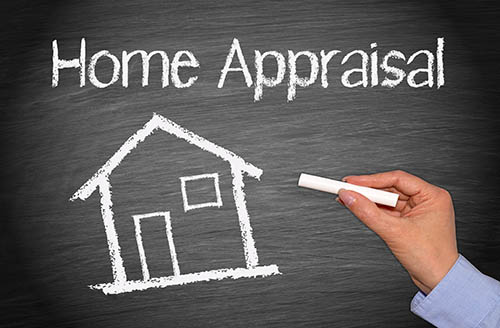
Understanding Appraisals and What to Do If Your Home Doesn't Appraise for Its Purchase PriceIt can be a bit of a surprise if your home turns out to be valued at less than the purchase price offered, but this is the type of thing that can occur in an appraisal situation. While this can change everything from your contract to the amount of your down payment if your home has been appraised at less than you envisioned, here are some options you may want to consider.

Review The Appraisal Contingency Clause

If an appraisal contingency clause is built into the terms of your contract, this means that the terms of your contract can be re-evaluated and re-negotiated if an appraisal happens to come up short. While this is meant primarily to protect the homebuyer against a lower appraisal, it doesn’t mean that the terms of a new deal can’t be met for the good of both parties.

Get A Second Appraisal

It’s entirely possible that the initial appraisal is accurate, but it doesn’t necessarily hurt to get a second opinion in the event that the first appraisal seems too low. While you can work in conjunction with your lender to get a second appraisal, you may need to pay for it the second time around in order to get your initial purchasing price. Whether it happens to be good news or bad news, it can be worth the peace of mind to know how to proceed.

Consider A Lower Price

It’s less than ideal when your home is appraised for less than the purchase price, but this doesn’t have to be a deal breaker when it comes to selling it. While you may be able to get away with a higher price for your home in a hot real estate market, if things have cooled off, this can be an important time to re-negotiate the deal you’ve got. If a potential buyer likes your home and has already made an offer, they may be happy to decide on new contract terms.

It can be quite disappointing if your home is appraised at a value that is less than the offer you’ve received, but this doesn’t necessarily mean that you’ll have to put your home back on the market. Whether you and the potential buyer decide to re-negotiate or get a second opinion, there are options that can be beneficial for both parties. If you’re currently going through the appraisal process, you may want to contact your local real estate professional for more information.
Filed Under: Home Mortgage Tips Tagged With: Appraisals, Home Mortgage Tips, Mortgage

Buy Your Home Today: Understanding Why It’s a Bad Idea to Try and Time the Mortgage Market

October 18, 2016 by James Scott

Buy Your Home Today: Understanding Why It's a Bad Idea to Try and Time the Mortgage MarketIt’s often the case that people will opt to postpone home ownership until the best rates are available or it’s a more stable investment, but in an ever-shifting market it may not be the best decision to put such a sizeable investment off. If you’re wondering whether or not you should put off investing in a home, here are some reasons you may want to start putting your time into searching for a home.

Interest Rates Always Fluctuate

While interest rates are constantly changing and have certainly risen since the economic recession of 2008, they still remain relatively low and this can make investing in a home an even better financial decision. There are no certainties that market rates will remain low, but given a lower monthly payment and the easier qualifications nowadays to acquire a loan, the present may be the best time to start investing in your own place.

Investing Early Reaps Financial Rewards

It’s easy enough to wait for a lower home price or even improved interest rates, but there is no guarantee that the market will shift down. In the meantime, you may be spending at lot of your monthly paychecks on rent. If home ownership is one of your goals in life and you’re living month to month with a high rental payment, investing money into a home is a sure way to gaining equity for the future, even in the event that the market shifts up.

It’s A Good Time To Buy

When it comes to the market, there may always be a time coming when you’ll get a better deal, but the fact remains that homes tend to remain on the market a lot longer these days and it’s largely a buyer’s market. There are no guarantees that you’ll be able to find the house you want at the price you can afford, but there are a lot of good deals to be found these days and investing sooner is an opportunity to reap financial rewards down the road.

Many people hold off on home ownership because they are waiting for prices to come down or interest rates to change, but the sooner you invest in a home, the more you can benefit from investing into something that is entirely your own. If you’re currently perusing the market for a home at a price you can afford, contact your local real esatate professional for more information.

Filed Under: Home Mortgage Tips Tagged With: Home Mortgage Tips, Mortgage, Real Estate Tips

Planning to Get a Mortgage in 2017? 4 Reasons Why It’s Time to Start Paying Down Other Debts Now

October 7, 2016 by James Scott

Getting a Mortgage in 2017? 4 Reasons Why It's Time to Start Paying Down Other Debts NowBuying a home is an ideal investment for many people because not only is it a place that belongs to them, it can also be very beneficial financially. While you may be strongly considering buying a home for these reasons, it’s also important to be in good financial health so that your ideal home purchase is within reach. If you’re currently perusing the market for prospects, here are some reasons you should pay down debt before taking the leap into home ownership.

Good Credit History

The amount of your debt load and whether or not you’re paying off your minimum monthly payments has a considerable impact on your mortgage approval, so ensuring that you have good credit history going into the process is important. If you’ve had hiccups with your credit, make sure you go through your credit report prior to submitting your application to determine where you’re at.

Lowering Your Debt-to-Income Ratio

Whether or not you’ve heard the term, your debt-to-income ratio (DTI) has a significant impact on how much house you can afford. Made up of the amount of your monthly debt payment and current house payment, your DTI should be below a certain percentage as this will enable you to afford a higher home payment each month.

Shifting Interest Rates

Getting a mortgage is one thing, but interest rates add more to the monthly amount you’ll owe. A fixed-rate mortgage can seem like a good idea, but if interest rates are low you may end up paying more than you would on a variable rate, which can be hard to predict. As interest rates are a part of home ownership, having lower debt will enable you to deal with these additional costs.

Finding The Right Home

Putting your money into a home can be one of the best purchases you’ll make, but if you’re unable to afford the home you love, it can be a disappointing fact to face. While there are no assurances that paying down debt will enable you to afford your dream home, it can go a long way towards giving you more options that will fit your budget.

Buying a home can be a money saver in the long run, but if you’re struggling to keep up with your debt payments buying into the market can be more of a burden than anything else. If you’re currently paying down debt and considering a home purchase, contact your local real estate professional for more information.

Filed Under: Home Mortgage Tips Tagged With: Home Mortgage Tips, Mortgage, Mortgages and Credit

Investing in a Vacation Property? Learn What You’ll Need to Have to Get A Mortgage Approved

September 29, 2016 by James Scott

Investing in a Vacation Property? Learn What You'll Need to Have to Get A Mortgage ApprovedWith approximately one million people having purchased vacation homes in the last year, this type of residence is gaining popularity for those who are interested in a home in a beach setting or a vacation hot spot. However, while a second home can seem like a great purchase and solid investment opportunity, there are different requirements that go into this type of purchase. If you’re considering a vacation home, you may want to be aware of the following financial factors.

The Down Payment Amount

If you currently have a primary residence, you may be aware that you don’t need to put down 20% or even 10% in order to make a home purchase, but things are different when it comes to a vacation home. Because you will be taking on an additional mortgage, there is greater risk involved, and this means you will likely have to put in at least 10 percent. Because of this, many homebuyers utilize the equity they have in their first home to make up the down payment.

About The Credit Score

Most people that have a credit score of more than 500 have the ability to use a mortgage product and purchase a home, but if you’re buying a second property, you’ll need a higher credit score in order to facilitate the purchase. Because there is more risk involved, lenders will want to make sure you’re a good bet. In addition, if you do have a lower credit score, lenders like Fannie Mae may also expect you to put more down to decrease the risk involved for them.

The Income Required

Since you’ve been through the mortgage process for your first home, you’re probably aware that you debt-to-income (DTI) ratio needs to be a certain amount in order to qualify for a mortgage. While your DTI for a primary residence may be a little bit higher since it’s your only payment, this ratio will be lower for your vacation home since it’s higher risk. This means you’ll require a slightly higher income than for your primary residence in order to get approved.

Deciding to purchase a vacation home can be a very exciting concept for many people, but there are a number of different financial requirements that go along with buying another residence. If you’re in the market for a vacation property and are curious about what’s involved, contact your local real estate professional for more information.

Filed Under: Home Mortgage Tips Tagged With: Home Mortgage Tips, Investment Properties, Mortgage

Understanding ‘Disposable Income’ and How This Will Impact Your Mortgage Approval

September 27, 2016 by James Scott

Understanding 'Disposable Income' and How This Will Impact Your Mortgage ApprovalThere are few things more exciting than finding your ideal home, but with the rising cost of housing, a person’s dream home can often come with a very high purchase price. If you’re wondering how much home you can truly afford and how your cost of living will fare for your mortgage approval, here are some of the details on what you can expect when it comes to finding a home at an affordable price.

What Is Your Debt-to-Income Ratio?

Before deciding if a home is right for you, it’s important to calculate what your debt-to-income (DTI) ratio is to determine how much house you can afford. The debt amount will include any credit cards, existing mortgages and other loan payments that you pay down each month. To determine your maximum monthly payment, multiply your gross income by 0.36 and divide it by 12. This will give you the expenditure of debt, including your housing payment, that you should not exceed each month.

Determining Your Down Payment

There’s a lot of talk around the ideal amount you should put forward for a down payment, but this percentage can directly impact the amount of the house you can afford. If you are able to put down 20% of the purchase price of your home, this means your monthly mortgage payments will be minimized and this will decrease your DTI ratio. While a home may be out of your reach if you can only put 10 or 15% down, 20% down will ensure a higher amount of disposable income on a monthly basis, making your application more feasible.

Determine Your Lifestyle

While a lender may not reject your application outright if your debt-to-income ratio is higher than suggested, it’s important to know what kind of spending choices make sense for you so that you can make your monthly payments. If you have limited expenses above your mortgage and enjoy a Spartan lifestyle, it’s entirely possible that you’ll be able to manage a higher monthly amount. However, if you don’t have stable employment and are struggling each month, it may be a good idea to consider a less expensive property.

The monthly mortgage payment for your dream home may look like it’s manageable on the surface, but if your DTI ratio exceeds what is suggested, there may be issues with acceptance of your application. If you’re currently in the market for a new home, contact your local real estate professionals for more information.

Filed Under: Home Mortgage Tips Tagged With: Home Mortgage Tips, Mortgage, Mortgage Applications

Can You Use a Reverse Mortgage to Buy Your Next Home? Yes, and Here’s How

September 9, 2016 by James Scott

Can You Use a Reverse Mortgage to Buy Your Next Home? Yes, and Here's HowMost people who have been on the market for a home are familiar with what the term ‘mortgage’ means, but many have not heard of a reverse mortgage and aren’t aware of how this product can benefit them. If you’re nearing retirement and are contemplating a new home or even relocation to another community, here are the details on a reverse mortgage and how this option may benefit you.

What Is A Reverse Mortgage?

While many homeowners may not have the net worth to be able to buy another home without selling their current one, a reverse mortgage enables the buyer to borrow money against the value of their home. Created in 2009 as the Home Equity Conversion Mortgage for Purchase (HECM), this type of mortgage can enable those older than 62 to relocate to a new house or move closer to their family without having to sacrifice the money they’ve saved or their fixed monthly income.

What Are The Requirements?

Beyond the minimum age requirement of 62 years of age, those who would like to utilize a reverse mortgage must either own the current property they are living in or have a high amount of equity in the property. They must be able to pay all of the costs associated with ownership of the home and the property they are purchasing must be able to pass the standards held by the Federal House Administration (FHA). In addition, applicants will have to go through a financial assessment to ensure they can make insurance and property tax payments.

The Benefits And Drawbacks Of Reverse Mortgages

A reverse mortgage can be a great benefit in that it enables those who are in their senior years to purchase a new home without having to utilize a portion of their fixed monthly income. However, because a reverse mortgage includes this benefit, it also comes in tandem with a higher loan balance and this higher balance means that interest will accrue more quickly. Dependent on this amount, this can actually diminish the equity in the home.

While the opportunity for a reverse mortgage has been around for a number of years, this alternative for purchasing a home has not been utilized by many homeowners since its inception in 2009. If you’re approaching your senior years and are considering the benefits of purchasing a new home, you may want to contact your local real estate professional for more information.

Filed Under: Home Mortgage Tips Tagged With: Home Mortgage Tips, Mortgage, Reverse Mortgages

Thinking about Refinancing? 3 Ways That You Can Boost Your Home’s Assessed Value First

August 24, 2016 by James Scott

Thinking about Refinancing? 3 Ways That You Can Boost Your Home's Assessed Value FirstIn an effort to boost the value of their property, many homeowners invest in renovations that will help them sell at a higher price. However, with all of the renovation options, it can be hard to know what kind of fix-ups are really worth investing time and money into. If you’re looking at all of your options for home improvements, here are some surefire fixes that won’t stress the bank and will probably bump up the offering price.

Add In Stainless Steel

The look and functionality of the kitchen is one of the deciding factors for many homebuyers, and this means that if you have old appliances or an outdated look, you should definitely spend some money on a little upgrading. Since kitchen renovations can be a significant expense when it comes to knocking out walls and adding an island, you may want to stick with smaller stuff like a stainless steel appliance replacement or even renovating your cabinets for a more up-to-date look.

Increase Energy Efficiency

With the push towards reducing overall housing costs and being environmentally sustainable, making your home more energy efficient can be a huge selling feature for the kind of buyers who will be able to save money as a result of renos. While there are many financially taxing overhauls that can seriously bust the bank, try simple fixes like adding extra insulation where drafts exist, and installing LED lights for lowered energy costs and longer light bulb expectancy.

Prep For Paint

It may require a little bit of work to get the job done, but re-painting your home can be one of the best, and most economical, means for upping the value of your home. While painting can still be an economical option even with professional painters, a shiny new coat can take years off the look of your house and instantly improve its appearance. You just need to make sure you choose a neutral color and a high-quality paint for maximum effect.

While taking on home renovations will require a bit of spending, it can be a great idea if you’re re-financing your home and are looking to boost its value. The only thing to keep in mind is making sure you choose the kind of fixes that will be inexpensive and popular on the market. Contact your trusted real estate professional for more information.

Filed Under: Home Mortgage Tips Tagged With: Home Mortgage Tips, Mortgage, Mortgage Refinancing

3 Different Types of Loan That Will Negatively Impact Your Ability to Get a Mortgage

August 17, 2016 by James Scott

3 Different Types of Loan That Will Negatively Impact Your Ability to Get a MortgageA good credit rating is built on a number of financial factors including paying your bills on time and the length of your credit history, but loans can also be a source of bolstering your credit score in a positive way. While this means that loans can actually be a good thing, there are also the kinds of loans that can have a damaging impact on acquiring a mortgage. If you’ll soon be pursuing your own home purchase, here are some loans that may have a negative impact.

Borrowing For Education

When you are young, student loans are an ideal means of paying down your debt and developing a positive credit history. However, if these loans are left to linger they can have a marked effect on your chances of a mortgage approval. Since paying back your student loans will be one of the first times in your financial life that you’ll be able to prove your reliability, you should ensure you pay them on a consistent basis in order to lower your overall debt-to-income ratio.

Credit Card Debt

Many people don’t think of the purchases that go on their credit card as loans, but the money on your credit card does not really belong to you until it’s paid off. While credit cards can be a great boon for establishing your credit in the early days, if you rack up a lot of credit card debt and do not pay your minimum payments by the due date, it will cause a considerable dip in your credit score. In addition, taking on too many cards can be a negative signal to lenders.

Payday Loans

In recent years, payday loans have sometimes been broken out separately from other loans on a person’s credit report. However, unlike many other types of loans, payday loans can be seen in a bad light by lenders because they can be indicative of someone who’s experienced significant financial setbacks, which would negatively impact their ability to pay a mortgage. While some mortgage lenders will not decline an application due to payday loans, some have already started to take this step.

Acquiring loans can be a good means of developing a credit history, but there are types of loans that may look bad on your mortgage application and won’t be of service if you can’t pay them off consistently. If you’re considering submitting a mortgage application, contact your local real estate professional for more information.

Filed Under: Home Mortgage Tips Tagged With: Home Mortgage Tips, Mortgage, Mortgage Applications

Can You Get a Mortgage after a Chapter 7 Bankruptcy Discharge? Yes – But You’ll Have to Wait

August 16, 2016 by James Scott

Can You Get a Mortgage after a Chapter 7 Bankruptcy Discharge? Yes - But You'll Have to Wait There was a time when it was possible to acquire a mortgage shortly after filing for Chapter 7 bankruptcy, but with the shifts in the financial sector, the timeline on such a mortgage approval has changed in recent years. If you’re currently undergoing a Chapter 7 bankruptcy and are wondering how this will impact home ownership, here are the basics on this type of bankruptcy and what it may mean for you.

What Is Chapter 7?

While a Chapter 13 bankruptcy is the kind of financial situation that requires debt repayment, Chapter 7 is different in that it involves the liquidation of an individual’s personal assets to pay back the debt that is owed. A trustee will be designated to take care of the bankruptcy process, but a Chapter 7 bankruptcy will remain on your credit report for 10 years and have a negative impact on your credit score, which can mean increased interest rates on a mortgage down the road.

Re-Building Your Credit Score

The most important step to obtaining a mortgage following a Chapter 7 bankruptcy is keeping on top of your credit. Because your credit score will be lowered and bankruptcy will remain on your report for a long time, paying all of your bills on time in full and ensuring every aspect of your financial health is in check is of primary importance. Since most lenders will not even consider your application if you’re delinquent with payments, impeccable form is necessary in this case.

The Timeline On A Mortgage

According to the Federal Housing Administration (FHA), anyone applying for a mortgage must wait a minimum of two years after the discharge date of their Chapter 7 bankruptcy, which is the date they are cleared of obligation to their debt. While this is good news for those who want to apply for a mortgage in the near future, it’s important that a good credit history is developed and all FHA requirements are met to ensure approval.

Filing for Chapter 7 bankruptcy can be a hard financial pill to swallow, but by keeping your credit history in check for the duration of the 2-year period, you can be well on your way to a mortgage approval. If you’re planning on being in the market for a home in the near future, contact your trusted real estate professional for more information about opportunities in your community.

Filed Under: Home Mortgage Tips Tagged With: Home Mortgage Tips, Mortgage, Mortgage Debt

On a Variable Mortgage? 3 Signs Your Mortgage Payment Is About To Increase

July 28, 2016 by James Scott

On a Variable Mortgage? 3 Signs Your Mortgage Payment Is About To IncreaseFor many homebuyers who are new to the market, it can be very comforting to be on a fixed rate mortgage where fluctuating interest rates cannot have an impact on your monthly payments. While a variable rate mortgage can sometimes lead to significant savings at the end of the day, there are a few ways you can tell if your monthly payment is on the upswing.

An Increase In Your Home’s Value

A marked increase in a home’s value is ideal for most homeowners who consider their home an important investment. However, the downside of an increase in the price of real estate is that your property taxes will probably be bumped up along with it. According to Josh Moffitt at Silverton Mortgage, “If your home value increases because of market conditions, taxes will follow, and it will cost more to insure the home.” In order to determine if a higher payment is on the horizon, you may want to take a look at the listings in your neighborhood.

A Miscalculation

Most people hope that a re-assessment of the value of their home will lead to a bump in its price, but if your monthly mortgage payments were calculated at a specific time during the transaction, this bump may mean a higher monthly payment for you. If there was some overlap between the assessment and the property transfer, or other fees were included in your payment, your tax professional should be able to advise you on the best course of action you can take come tax time.

Insurance Renewal Is Up

In the event that the homeowner’s insurance on your home is about to expire, there’s a possibility that you’ll be paying a bit more following renewal. Instead of leaving this to chance, ensure that your insurance company is communicating with you and keeping you abreast of changes. After all, while insurance is important to protect your investment, you have the option of looking into other insurance providers who may be able to give you a better rate.

It can be hard to plan for the increase in rates that can go along with a variable rate mortgage, but if your insurance is up for renewal and the value of the homes in your area has increased, a higher monthly payment will likely follow. Contact your trusted real estate professional for more information.

Filed Under: Home Mortgage Tips Tagged With: Home Mortgage Tips, Interest Rates, Mortgage

  • « Previous Page
  • 1
  • …
  • 17
  • 18
  • 19
  • 20
  • Next Page »

Connect with Me!

SEARCH FOR HOMES 
What’s my home worth? 

Return to top of page

Copyright © 2026 Navy Fellas Realty Group. All rights reserved.   Log In