 In 2019 many people expected that the home lending market was going to eventually grow more expensive. Instead, 2020 spent its entire 12 months becoming more affordable when it came to financing a personal home, moving in the opposite direction of what was expected. Not only did the loan cost drop break previous records, but it also presented an additional opportunity for homeowners to reposition and take advantage of lower borrowing costs again.
The General Advantages of a Home Loan Refinance
The refinancing of a mortgage has traditionally been three-fold. First, it is a chance to renegotiate the loan on a home purchase for a lower interest rate, which means more of the borrower’s payment goes to the loan and less to an interest charge. Second, it gives people an option to change the interest rate charged to a shorter payment period, which can also save considerable money. A borrower will pay dozens of thousands less on a 15-year loan versus a 30-year mortgage. Finally, refinancing allows a borrower to tap into home equity to use that cash value to consolidate debt, pay for other big costs, or make renovations to the home without paying out of pocket for them.
Why 2021 Provides a Good Window
By the time 2020 ended, mortgage rates overall were running at all time lows on a conventional 30-year fixed mortgage, an amazing opportunity for the cost of borrowing and probably the lowest possible in 50 years. The dip won’t last forever, as many people have been trying to project, and eventually what goes down also goes back up. Some amount of rising rates is a firm prediction from the National Association of Realtors® for 2021 which has already occurred, and that loan interest rate cost is expected to eventually go somewhat higher by the end of the year if the economy speeds up again. So, the 2021 window for a valuable refinancing opportunity is clearly the beginning half of the year.
Comparing Current Status to “What If”
Obviously, just chasing a mortgage refinance for minimal gain is silly. The amount paid in closing costs can be expensive. However, when the shift can easily be a percentage point difference or more, then it is worth considering. Many people locked in homes at higher rates in the past and are still paying that amount, especially on an adjustable-rate mortgage. Grabbing a fixed mortgage refinance in the current rate environment is definitely worth the work and time, potentially paying for itself in a handful of years or by consolidating higher cost debt into the home loan.
There is no perfect formula that applies to everyone, but 2021 has already shaped up to be the year that the majority of homeowners can definitely benefit from, especially given the need for financial reserves and a bit of personal finance reorganization after 2020. As always, consult with your professional mortgage advisor for details on your personal situation.
 The idea of buying a home is challenging enough as the process requires a lengthy approval validation, paperwork, financing, and the actual move with logistics. However, when one really looks at what typically occurs with relocation, buying versus renting can start to make more sense over time.
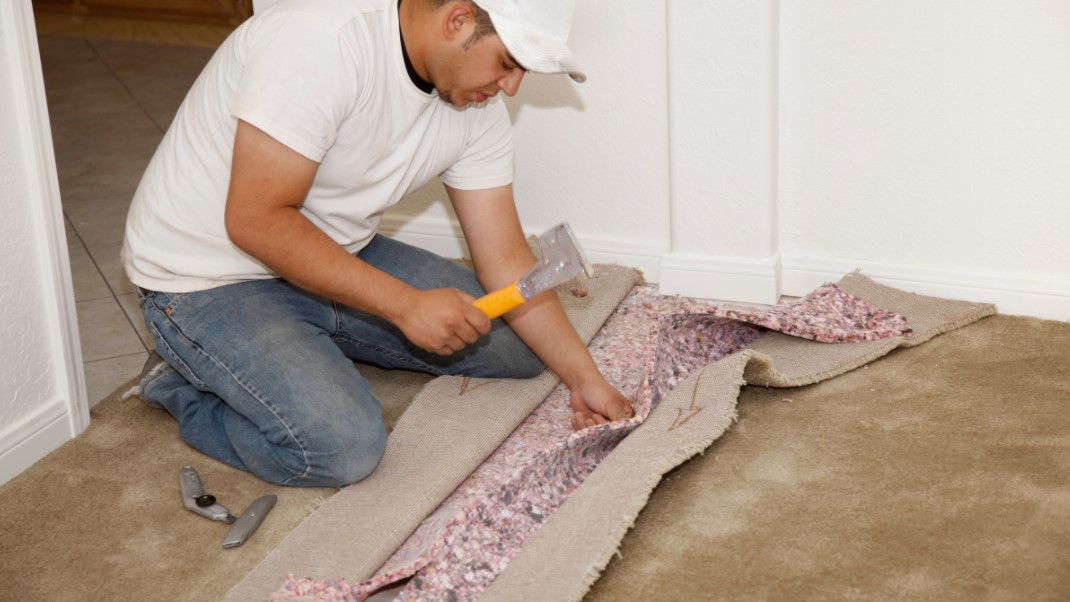 When selling a home, it is rare for folks to see in bold big letters, “new carpet just installed”. However, on a practical level, replacing the carpet in a home just before selling can go a long way to helping the deal close.
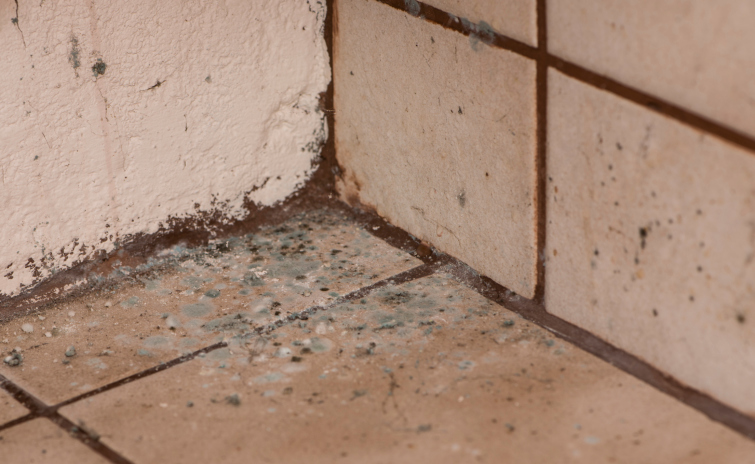 Even the most aesthetically pleasing homes can have mold issues. A type of fungus that thrives on moisture, mold can trigger symptoms such as itching eyes, asthma attacks and bouts of sneezing or coughing.
 This past year has been stressful for everyone involved. A lot of people have had to spend more time in their house than they ever have in the past. When this is combined with trying to conduct work and school from home, it is easy to see why people are so eager to get out of their house.
  It’s exciting to be able to move into a new home. But there are some tricky details to navigate when you already own a home and you’re ready to buy a new one. Should you buy or sell first? Don’t worry. There are viable solutions.
 There are lots of homeowners who fall on rough times from time to time. For example, some people may be in the midst of changing jobs. Other people might be going back to school. When this happens, it can be hard for homeowners to keep up with their mortgage payments. Even though they might be thinking about waiting for the bank to do something, this would be the ultimate mistake.
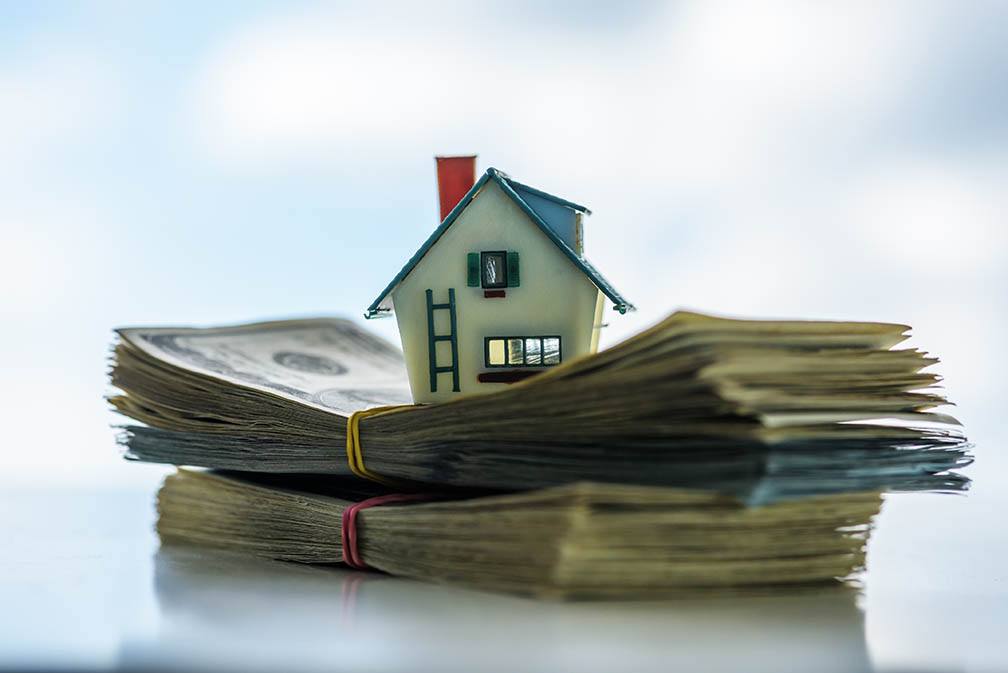 When people take out a home loan, it is important to think carefully about how the home loan works. At first, the majority of the monthly payment is going to go towards interest. For example, it is not unusual for 90 percent of the monthly mortgage payments go toward interest during the first year. Then, during the latter part of the loan, most of the payment is going to go towards paying off the principal.
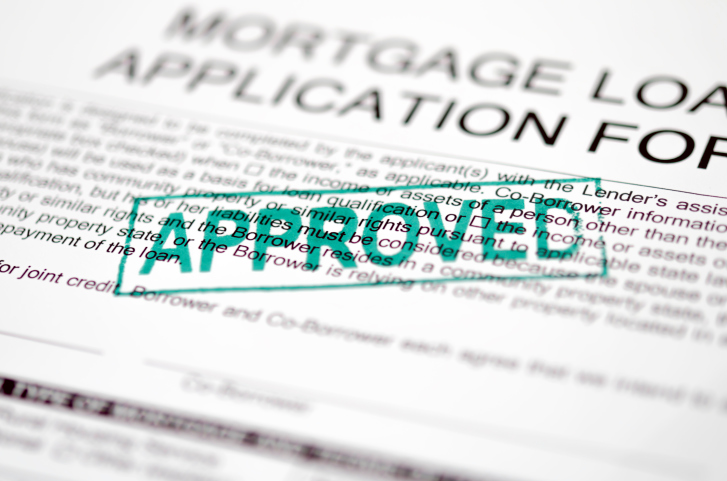 Right now, mortgage rates have fallen to rates that haven’t been seen in years. This opens the door for many people to apply for a mortgage that they previously may not have been able to afford. Sadly, not everyone who applies for a mortgage is going to be approved. There are a few steps that applicants can take to increase their chances of getting their mortgage application approved.
 Many homeowners do not realize that the risk of a flood is a significant factor that plays a role in not only homeownership but also the closing process. Even though flooding is a major risk, many homeowners do not carry enough coverage. Without proper flood insurance, homeowners risk losing millions of dollars. Therefore, it is prudent for those who are looking for a home to factor flood insurance into their home search. This can streamline the closing process down the road.