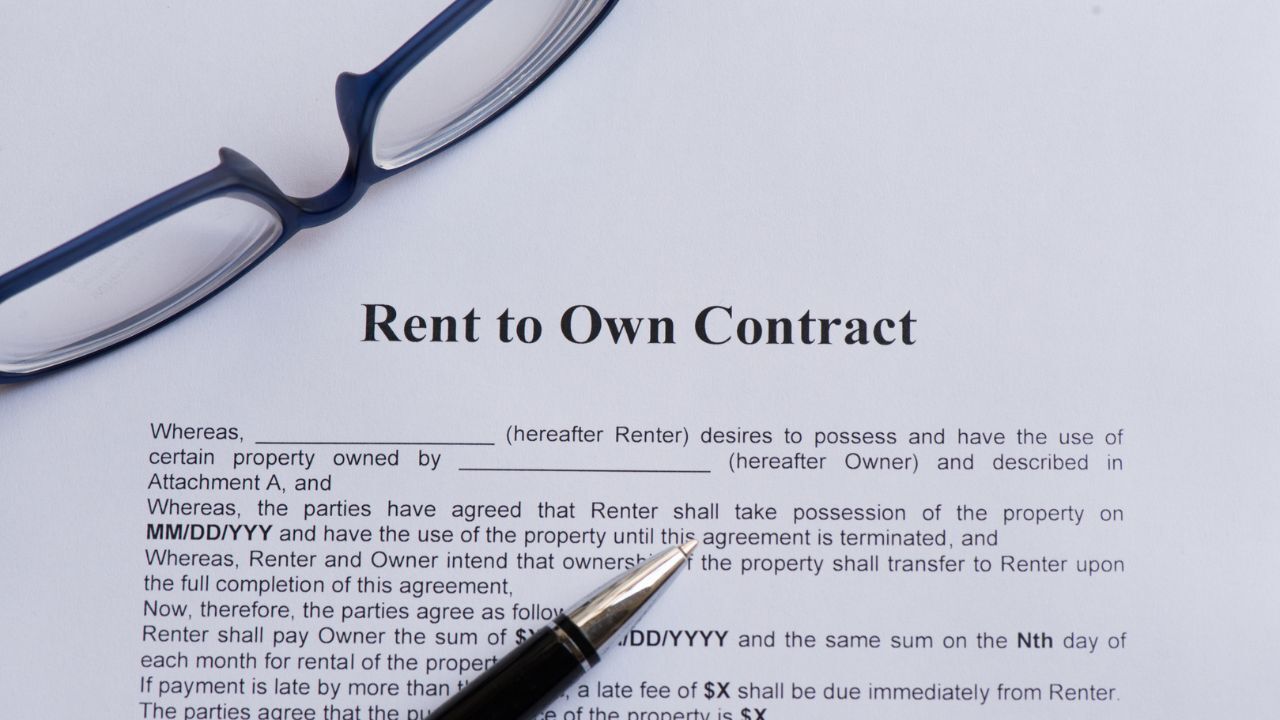
 Selling a home through a rent-to-own agreement can create a flexible path for both sellers and future buyers. This arrangement allows a tenant to live in the home while preparing to purchase it later, giving the seller steady income and a committed future buyer.
What a Rent-to-Own Agreement Is
A rent-to-own agreement allows a tenant to rent the home while also securing the right, or sometimes the obligation, to purchase it at a later date. The agreement usually includes a set purchase price and a timeline for when the buyer can complete the purchase. This gives the tenant time to save, build credit, or prepare for financing.
How the Agreement Is Structured
Most rent-to-own contracts include a lease portion and a purchase portion. The lease outlines the rental amount, the length of the term, and expectations for the use of the home. The purchase portion may include an option fee, which is a one-time payment that gives the tenant the right to buy the home in the future. Some agreements also credit a portion of the monthly rent toward the future down payment.
Benefits for Home Sellers
Sellers benefit from consistent rental income during the lease period. This can be especially helpful if the seller has already moved or is carrying another housing payment. Because the tenant plans to buy the home, that person is often more invested in taking good care of the property. If the tenant decides not to purchase, the seller usually keeps the option fee and any agreed-upon rent credits, depending on the contract.
Responsibilities During the Lease Period
Each agreement outlines who is responsible for repairs, upkeep, property taxes, and insurance during the rental period. Some arrangements keep these responsibilities similar to a standard lease, while others shift more duties to the tenant. Clear written terms protect both parties and help avoid misunderstandings.
How a Real Estate Agent Supports This Process
A real estate agent guides you through determining whether a rent-to-own structure fits your goals. The agent helps you price the home, reviews whether a lease-option or lease-purchase agreement is more suitable, assists in setting the option fee and rent credits, and ensures the contract reflects your expectations clearly. The goal is to protect your interests while creating a fair and workable agreement.
Selling a home through a rent-to-own agreement can provide steady income, attract committed buyers, and create a smooth path to a future sale. With clear terms and good guidance, this option can be a strong fit for a variety of selling situations.
 Selling a home can feel straightforward, but many homeowners are surprised by the hidden costs that can affect their bottom line. Beyond the agentís commission and mortgage payoff, a variety of expenses can accumulate during the selling process. Understanding these costs ahead of time ensures you are financially prepared and helps avoid surprises at closing.
 Selling a home through probate can seem complicated, especially when you’re grieving the loss of a loved one. However, understanding the process can help alleviate some of the stress and ensure the sale goes smoothly. Probate is the legal process through which a deceased person’s estate is administered, and it includes the distribution of assets, including real property. If you’re the executor of an estate or a beneficiary, selling a home through probate requires following certain legal steps and working with the right professionals to ensure everything is handled correctly.
 Have you ever had a conversation with a total stranger where you said something that you regret? If you are placing your house or condo on the market, you’re eventually going to end up having to chat with potential buyers. Yes, your real estate agent is likely to do most of the talking. However, you will still have to deal with buyers who want to grill you about the home’s history, condition, and more.
 For many people, putting their home up for sale is an exciting time. With real estate on the rise, there are plenty of opportunities to see financial gains. Unfortunately, even if you’re selling your home, there are still going to be costs involved before ownership is transferred. If you want to be prepared for what to expect, here are some costs to watch out for.
 Are you thinking about selling your home? If so, you may be weighing the pros and cons of working with a professional real estate agent. Let’s take a quick look at three great reasons why you won’t want to handle the sale yourself.
 Most homeowners are so enthusiastic about putting their home on the market and getting the price they’re hoping for that the expenses involved in selling a home are forgotten. However, it’s often said that one has to spend money to make money, and selling a home is no exception! If you’re wondering what kinds of overlooked expenses will cut into your home sale, here are some costs to consider.
 Whether you know a little bit about the market or you’ve sold a home before, you may be considering pricing your own home to avoid the assistance of a real estate agent. However, there are a number of benefits associated with consulting an agent when selling your home. Before making a final decision, consider the following tips.
 Small backyards are not the detriment that sellers seem to worry about. By putting in some work, any homeowner should be able to turn the smallest backyard into a selling feature by highlighting its assets.
 Are you thinking of listing your home for sale? Whether this is your first sale or you have been through the process a few times, you are probably aware that you will need to host at least one open house. Welcoming strangers in to tour your home can range from delightful to irritating, but it is all part of the selling process. So, should you stick around or disappear when potential buyers are viewing your home? Let’s explore your options.