 If you’re moving from a large home into a smaller house or condo, you’re probably looking forward to enjoying a lower utility bill and not having to do as much cleaning. But before you move, you’ll want to take certain precautions to ensure that you’re not overwhelmed.
A smaller home won’t have as much room for your belongings, which means you may need to get creative. Here’s how you can downsize without losing your mind.
Decide What You’re Going To Keep
Before you do anything else, choose which of your belongings are coming with you. Unless you’ve habitually been getting rid of things you no longer need over the years, chances are you have a large stash of things you’ll never use again. That’s the kind of clutter you’ll need to eliminate before moving into a smaller home.
The obvious exceptions would be anything of significant sentimental or monetary value, but you’ll want to get rid of lots of your everyday objects – for instance, there’s no reason why you need three soup ladles. Having trouble deciding what to throw out? Here’s a simple rule of thumb: If you can’t remember the last time you used it, you probably don’t need it.
Have Anything In Storage? Find A Storage Solution Now
Most homeowners nowadays have the luxury of large storage spaces like basements or attics – but if you’re moving into a condo or a small starter home, storage will be at a premium. And that means anything stored in your basement, garage, or attic will probably need to find a new home. You’ll want to look for a storage solution earlier rather than later.
Perhaps you could rent a storage locker in your neighborhood, or let children or relatives hold onto your belongings until you decide what to do with them.
On Your Moving Day: Move Large Items First, And Put Away Stored Items Before Anything Else
When the day comes for you to move into your new home, you’ll want to try to find the best configuration for the space right away – before your new home is filled with boxes stacked six feet high. Before you do anything else, move your furniture and other large items into the space first, and get them set up so they’re out of the way.
Once all of your boxes are in your new home, put storage items away before anything else – it’ll help you avoid unnecessary stress and sorting later.
Downsizing can be stressful, but with a solid plan and a great real estate agent, you can find a smaller home and move in without issues. Call your trusted real estate professional for more great tips on streamlining the moving process.
 Millennials are finally starting to enter the real estate market, but as is expected with a generation as different as Gen Y, they’re buying homes in a completely different way. Millennial buyers intend to own for shorter periods of time and want to live in metropolitan areas, and they’re also actively interested in real estate as an investment.
 To potential homebuyers, a bedroom is more than just a place to lay your head at night. It’s a place to relax, retreat, and recover, a place where the demands of the busy world are locked out. And with a properly staged bedroom, you can tap into potential buyers’ desire for relaxation and make your home their number one pick.
 If you’re considering selling your home in the near future, you may be tempted to simply cut out the middleman and opt for an FSBO sale. However, selling a home is a major undertaking, and most “For Sale By Owner” home sales run into obstacles.
 Selling a childhood home can be emotionally stressful and even traumatizing. This is more than a house; it is a home where years and even decades of memories have been made and where lives have been lived. While selling a childhood home may be difficult to do, there are a few steps that can be taken to reduce the emotional turmoil that may be felt during this process.
 In an ideal situation, a seller will have ample time to prepare a home to list for sale. This may include time to make necessary repairs, to thoroughly clean the home from top to bottom and to properly stage it. However, in those cases when time is not available to complete all of these steps, there are a few necessary steps that should be followed to get the home in show-ready condition in a very short period of time.
 Curb appeal is important in the home sales process, and this is because it will impact the overall first impression that potential home buyers have about the property. Some homeowners can easily spend a small fortune and a considerable amount of time improving curb appeal, but others may be looking for faster and easier results. The good news is that boosting curb appeal is easy and affordable to do when these three tips are followed.s
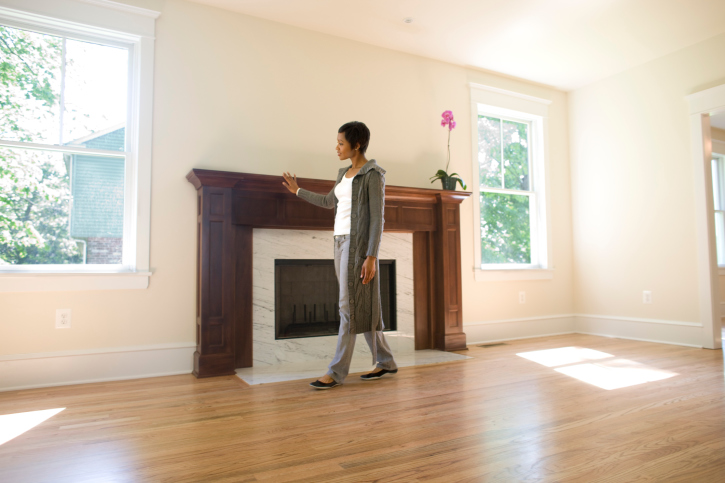 When a homeowner makes the decision to upgrade flooring in one area of the home or throughout the entire space, there are numerous materials that may be considered. While each material option has its unique benefits and advantages, many are drawn to hardwood flooring as an option. This is a material that has the potential to boost home value, and a closer look at its benefits will reveal why this is the case.
 There are numerous steps that must be taken to properly stage a home, and some sellers can easily become overwhelmed by all of the tips and steps they have been told to follow. It may be acceptable to skip over some of the steps to save time or money when staging a home, but there are some mistakes that homeowners can make that can have negative results.
 Young families often look for many different things in a home than older couples with teenagers or those with an empty nest may look at. Many real estate agents will tell their clients to stage a home so that it appeals to those who are most likely going to be interested in buying it. For sellers who have a family home in a safe, kid-friendly community, staging a home to appeal to young families is a great idea and can be accomplished with a few easy steps.