 If you’re trying to buy a new home, few things are more frustrating than a hot real estate market. When home prices are climbing fast it can feel like you’ll never be able to save enough for your down payment. In today’s post we’ll share a few ways that you can get in – even if you’re feeling priced out.
Start Smaller And Upgrade Later
If you’re a single professional or a young couple, it might be wise to start with a smaller starter home. While a townhouse or condo might not feel as large as a detached house, they are more affordable options. Starting small allows you to build equity in your home. This, plus your increased earning power as you work for longer, can open up more home options later.
Another benefit of starting small is that you’ll already have a home. If the local real estate market experiences a quick change, you won’t need to scramble. You can plan to buy a larger home – that ‘perfect’ house – when the time is right.
Bring In Family As Investors
Do you have family members who might be willing to provide a loan or financing? If so, start the conversation with them to see if they are willing to co-invest in your new home.
There are many ways to bring in family as investors when you buy. They can provide a straight loan of funds to increase your down payment. Or if they want to be less involved, they can co-sign your mortgage, which will allow you to borrow a larger amount. In many areas, a family member or investor can also be a legal co-owner of the house or the property it sits on.
Make Use Of Experienced Professionals
Finally, don’t forget to ask the local experts for more advice. Real estate agents and mortgage brokers are in-tune with the local market. They spend each day helping buyers like you with understanding their options. If you’re short on ideas, a real estate professional is a great place to start.
It can be tough to stay positive when you’re feeling priced out of the local real estate market. But with a little ingenuity and planning, you can get out of the rental market and into a great new home.
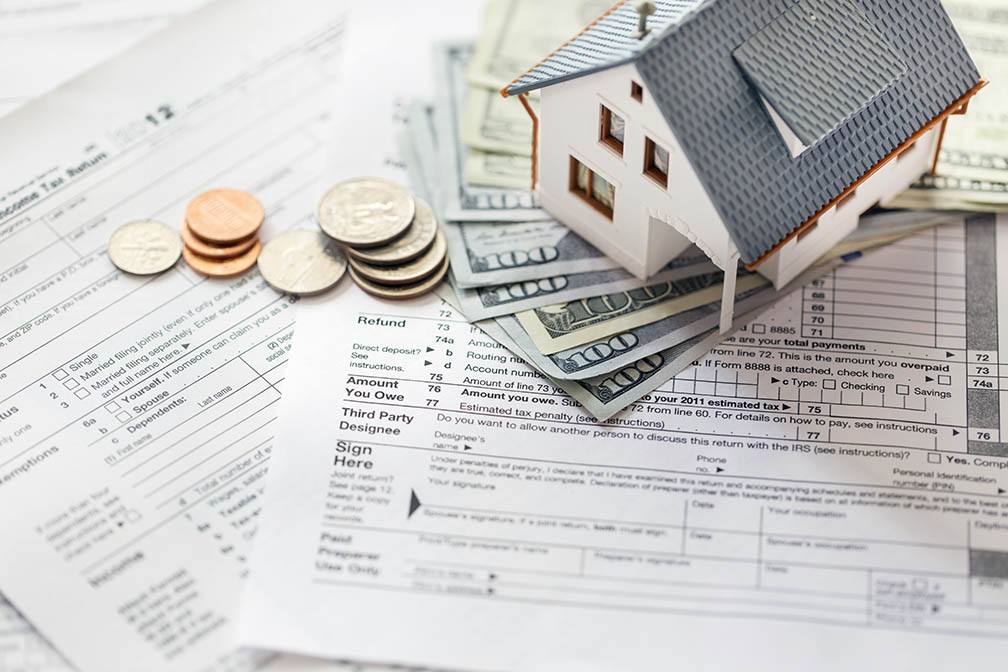 Are you thinking about buying that perfect new home? Whether you’re buying for yourself or a new home for a family, there will be many costs involved. Let’s take a look at 3 budgeting tips that will help make home ownership on a single income easier.
 The idea of purchasing a property and having renters can be an exciting business venture that offers lucrative financial rewards. However, there’s a lot involved in being a successful landlord and it’s important to be aware of what’s required before making the commitment. Whether you’re investing in one rental property or five, here are some questions you should ask yourself before getting involved.
 Are you on the hunt for a more efficient living space? Whether you’re a first-time buyer or downsizing from a larger home, buying small can still mean living big. Let’s explore four positives to living in a smaller, more intimate house or condo.
 It’s great news if you have enough financial capital that you have the option of investing in a rental property, but being able to afford it is only half the battle. Since you’ll need to find and keep the right renters in order to make a profit, here are some ways that you can ensure your property will be a financial benefit.
 The prospect of finding the home you’ve always dreamed of can be such an exciting prospect that it’s easy to forget all about the process of negotiating. However, it’s important to keep a few things to yourself when it comes to the art of making the deal. If you’re currently searching for the right place and are preparing to sign on the dotted line, here are a few phrases it’s best to avoid.
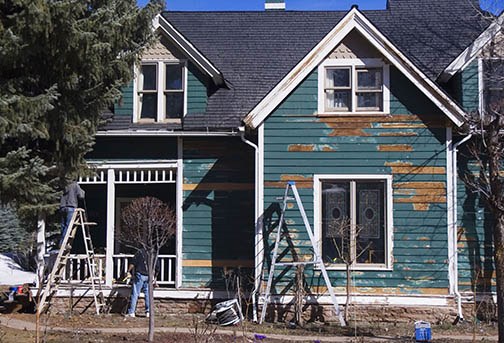 With all of the home renovation and fixer-upper shows on television, the idea of completely renovating and re-doing an old home can seem like an enticing premise. Unfortunately, investing in the wrong fixer-upper can mean an awful lot of expenditure without the added financial rewards. Whether you’re considering investing down the road or are ready to dive in, here are a few things to consider first.
 Once you’re done with debt and you’ve started to save, it’s commonly the case that you’ll start hearing about the risks and rewards of investing in stocks or real estate. Unfortunately, it can be difficult for many people to know what type of investment is going to work better for them down the road. If you’re currently considering what you should put your money into, here are some reasons you may want to turn to real estate.
 There are so many things involved in moving into a new home in a different neighborhood that it can be easy to forget about the proximity of many nearby amenities. However, if you have children, the local schools available can make-or-break the decision on whether or not to invest in a house. If you’re wondering how you can find out more about the local school, let the following tips be your guide.