 With rising utility costs and growing awareness around sustainability, many homeowners are looking for practical ways to improve energy efficiency. One of the most effective first steps is scheduling a home energy audit. A home energy audit is a professional evaluation of how your home uses energy and where improvements can be made to reduce waste, lower costs, and enhance comfort.
Identifying Areas of Energy Loss
A home energy audit provides a detailed look at where your home may be losing energy. Certified auditors assess insulation, heating and cooling systems, windows, appliances, and lighting to determine what areas are contributing to inefficiency. Specialized tools help pinpoint drafts, air leaks, and underperforming systems that may not be obvious during everyday living.
Reducing Monthly Energy Expenses
Once inefficiencies are identified, homeowners can take targeted steps to reduce energy consumption. Improvements such as sealing air leaks, upgrading insulation, or replacing outdated equipment can lead to meaningful savings over time. Even smaller adjustments recommended through an audit can help lower utility bills and improve long-term affordability.
Improving Comfort and Indoor Air Quality
Energy efficiency upgrades often improve more than just cost. A well-sealed and properly insulated home tends to maintain more consistent temperatures throughout the year. Audits can also uncover ventilation concerns, which may impact indoor air quality. Addressing these issues creates a more comfortable and healthier living environment.
Supporting Environmental Sustainability
Reducing energy waste helps lower the demand for electricity and heating fuel, which contributes to decreased greenhouse gas emissions. Homeowners who make energy improvements after an audit are not only saving money, they are also supporting broader environmental conservation efforts through more responsible energy use.
Taking Advantage of Rebates and Incentive Programs
Many utility providers and government programs offer rebates or incentives for energy-efficient home upgrades. A home energy audit can help you understand which improvements may qualify and provide the documentation needed to access financial assistance. These programs can make upgrades more affordable and encourage homeowners to invest in efficiency.
A home energy audit offers valuable insight into your home’s energy performance and provides a clear roadmap for making impactful improvements. By reducing energy costs, enhancing comfort, supporting sustainability, and unlocking potential incentives, an audit can be a smart investment for any homeowner. Prioritizing recommended upgrades based on your budget and potential savings can help you move toward a more efficient, comfortable, and energy-conscious home.
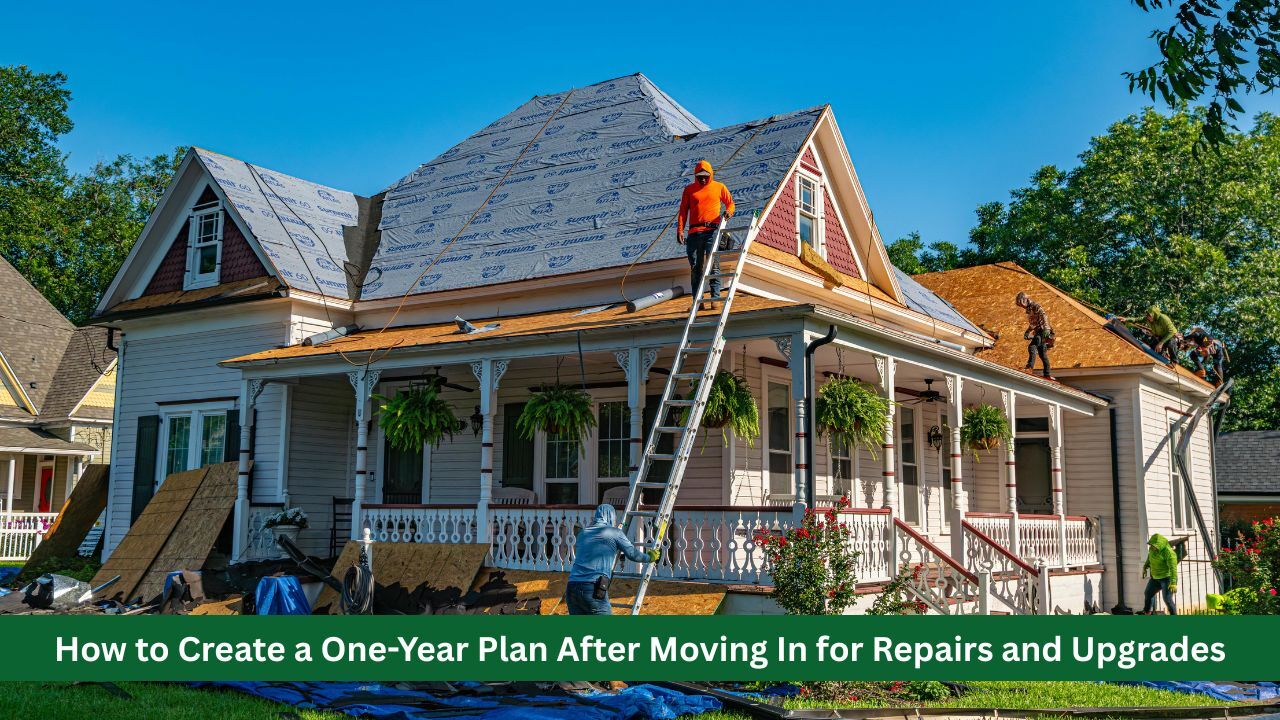 Moving into a new home is exciting, especially when you cannot wait to make improvements that reflect your style and lifestyle. The challenge is knowing where to start. Many new homeowners feel overwhelmed by repairs, upgrades, and projects competing for attention.
 As life changes, your home needs can change as well. Growing families, new hobbies, remote work, or lifestyle shifts often create the question many homeowners eventually face. Should you move into a larger home, or should you stay where you are and renovate? The answer is not always simple, and the right choice depends on your finances, your long-term goals, and how well your current home can adapt. As real estate professionals, we help homeowners evaluate these choices so they can move forward confidently.
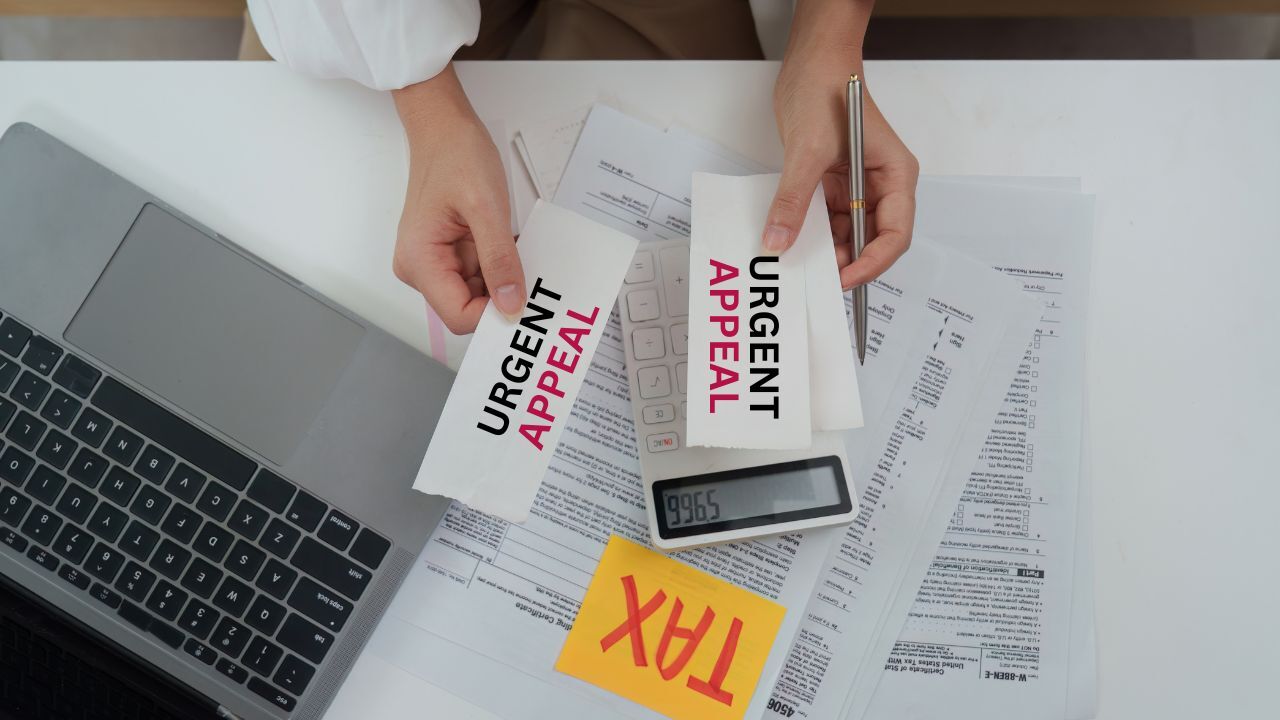 Many homeowners are surprised when they receive their annual property tax bill and notice an increase that feels higher than expected. The good news is that you have the right to appeal your property tax assessment if you believe it does not reflect the true value of your home. Understanding the process can help you protect your budget and ensure that you are being taxed fairly.
 Selling your home can be both exciting and overwhelming. Between preparing for showings, reviewing offers, and planning a move, the process can feel like a full-time job. As real estate agents, we understand that homeowners often struggle to balance it all, especially when they are still living in the property. With the right strategies and mindset, it is possible to stay organized, reduce stress, and make the experience smoother from start to finish.
 What started as a temporary solution during the pandemic has now become a permanent lifestyle for millions of people. Remote work, hybrid schedules, and flexible careers have transformed not just how we work, but how we live. Today’s homebuyers are looking for more than bedrooms and kitchens. They want functional spaces that support productivity, privacy, and comfort. A dedicated home office or flexible space is no longer a luxury, it is a necessity.
 Buying a home is one of the biggest financial investments you’ll ever make, so it’s important to protect that investment in every way possible. One way to provide protection is by purchasing a home warranty. While not required, a home warranty can offer peace of mind by covering the costs of repairing or replacing essential systems and appliances in the home. Understanding the importance of a home warranty can help you decide whether it’s the right choice for you as a homeowner.
 June is National Homeownership Month, a time to celebrate the value of owning a home and to promote opportunities for more Americans to achieve that goal. One of the key players helping make homeownership more accessible, especially for first-time buyers and those with limited financial resources, is the U.S. Department of Housing and Urban Development (HUD).
 Congratulations! You have closed on your new home! After weeks (or even months) of searching, negotiating, and signing paperwork, you finally have the keys in hand. But before you kick back and start decorating, there are a few essential steps to take to protect your investment and make the transition as smooth as possible.