 Selling a home can be a significant undertaking, especially when considering the time, effort, and money often required to prepare a property for the market. However, not every home requires major renovations to attract buyers. In many cases, sellers can list and successfully sell a property by focusing on strategic improvements and presenting the home in the best possible condition. If you are hoping to sell your home with minimal repairs, the following tips can help you do so effectively.
Focus on Cleanliness and Presentation
One of the most impactful steps you can take is to thoroughly clean the home. A clean property gives the impression of being well-maintained, even if no major updates have been made. Pay special attention to kitchens, bathrooms, floors, and windows. Decluttering is equally important. Remove excess furniture, personal items, and anything that makes the space feel crowded. A tidy, neutral space allows buyers to better envision themselves living in the home.
Address Minor Cosmetic Issues
While you may not be taking on major renovations, addressing small cosmetic issues can make a noticeable difference. Consider touching up scuffed walls, replacing burnt-out lightbulbs, fixing loose cabinet hardware, and patching minor holes. These improvements are generally low-cost and help reduce distractions for potential buyers.
Maximize Curb Appeal
First impressions matter, and the exterior of the home is the first thing buyers will see. Simple enhancements such as mowing the lawn, trimming shrubs, cleaning the walkway, and adding fresh mulch or potted plants can significantly increase curb appeal. If the front door or exterior trim is worn, a fresh coat of paint can go a long way in making the home appear more inviting.
Be Honest and Transparent
If there are known issues with the property, it is important to be upfront with buyers. Providing a recent inspection report or disclosing needed repairs in the seller’s disclosure form can help build trust. Many buyers are open to purchasing a home that requires some work, especially if they feel the price reflects those conditions.
Price the Home Appropriately
Pricing is one of the most critical factors in selling a home that has not undergone significant repairs. Work with a real estate professional to analyze comparable properties and determine a fair and competitive listing price. A well-priced home that offers value can attract buyers who are willing to accept a few imperfections in exchange for location or size.
Consider Pre-Listing Inspection or Seller Credits
If you are not planning to make repairs, offering a pre-listing inspection can help reassure buyers about the overall condition of the property. Alternatively, consider offering a credit toward repairs or closing costs. This approach can appeal to buyers by giving them the freedom to make improvements according to their preferences after the sale.
Selling a home without major repairs is entirely possible with the right strategy. By focusing on cleanliness, addressing minor issues, enhancing curb appeal, and pricing the property appropriately, you can attract serious buyers and move forward with confidence. With professional guidance and realistic expectations, your home can sell quickly and successfully, even without full renovation.
 When a home sits on the market longer than expected, the price is often the first thing blamed. While overpricing can be a major factor, it’s far from the only one. One of the most common culprits is poor presentation. Buyers today form opinions within seconds, often based on online photos before they even step foot inside.
 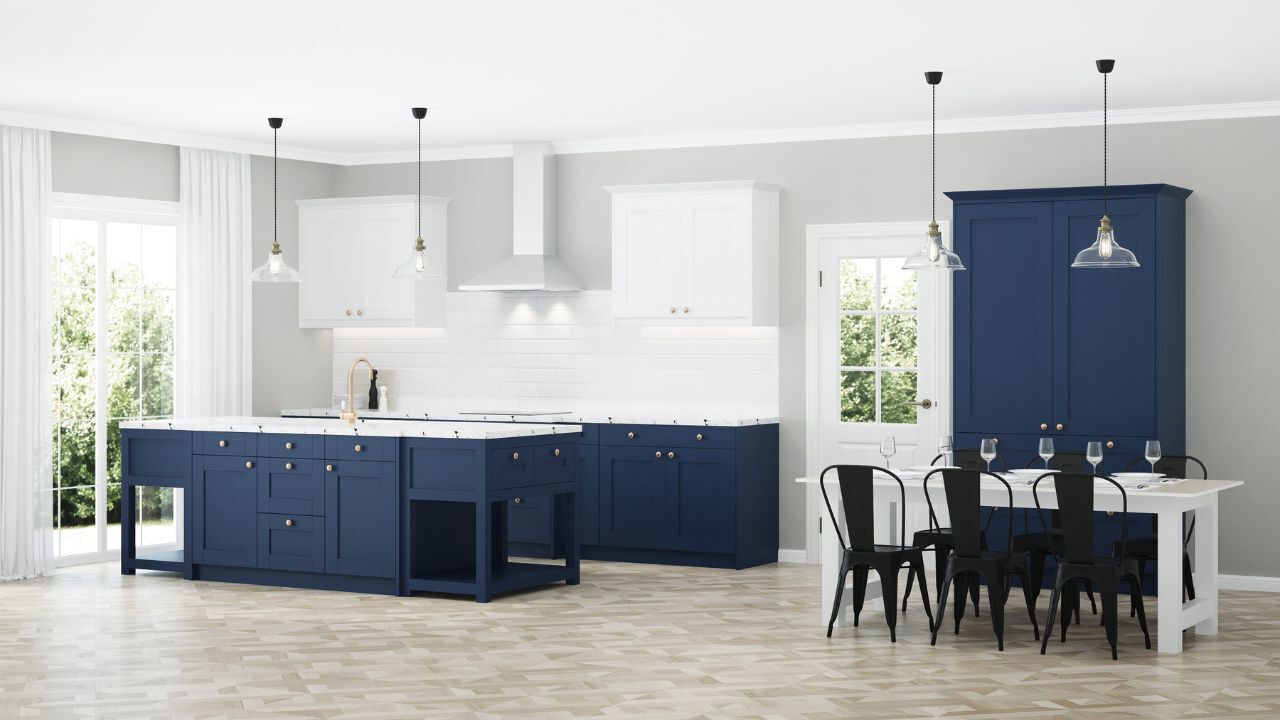 When selling a home, every detail matters—including the colors you choose for walls, decor, and even the front door. Color psychology plays a significant role in how potential buyers perceive a space, influencing their emotions and decision-making. The right color choices can make a home feel warm, inviting, and move-in ready, while the wrong ones can deter buyers. Here’s how color psychology affects home sales and what shades work best to attract buyers.
 When selling your home, even minor repairs can make a big impact on its value and appeal to buyers. Addressing small issues before listing your property can help you stand out in the market and potentially increase your sales price—without needing to spend much. Here are some small but effective repairs that can help you make a lasting impression on buyers.
 Crafting a counter-offer that doesn’t scare away a potential home buyer can be tricky. You want to maximize your sale price while still keeping the deal attractive enough for the buyer to stay engaged. A well-crafted counter-offer strikes a balance between protecting your interests and meeting the buyer’s needs. The key is to approach negotiations strategically, ensuring that your counter doesn’t feel like a rejection but rather a step toward a mutually beneficial agreement. Here are five tips to help you through the process while keeping the buyer interested:
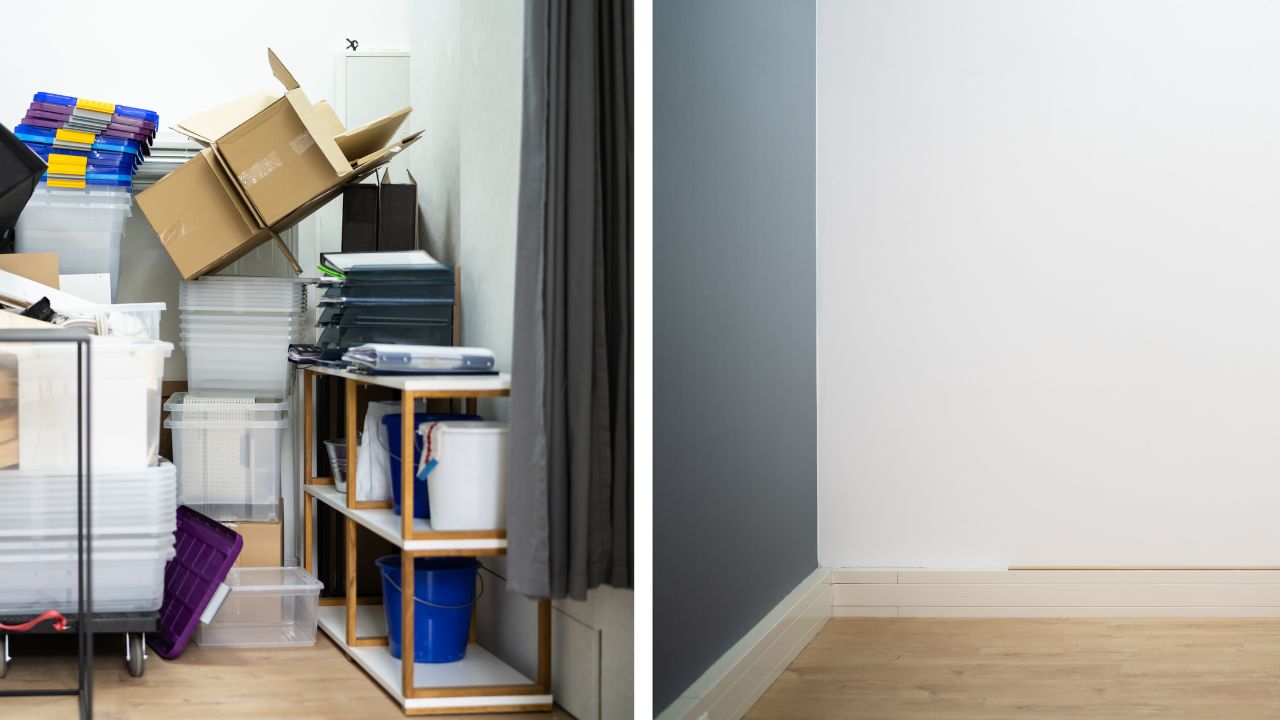 When selling your home, first impressions are everything. A clean, well-organized space allows potential buyers to envision themselves living there and can even increase the perceived value of your property. Cleaning is not just about making your home look good; it’s a strategic move to ensure your home stands out in a competitive market. Here’s how to tackle the cleaning process effectively when preparing your home for sale.
 Selling a home in winter can be just as successful as selling in any other season, with the right strategy. While colder weather may present unique challenges, there are plenty of opportunities to make your home stand out. If you’re ready to list your home during the winter months, follow these valuable tips to increase your chances of success.
 When preparing to sell, many homeowners consider renovations to boost their property’s appeal and value. While updating a home can make it more attractive to buyers, it’s crucial to weigh the potential benefits against the costs. Here’s a look at the pros and cons of renovating before listing to help you make an informed decision.
 When selling your home, even minor repairs can make a big impact on its value and appeal to buyers. Addressing small issues before listing your property can help you stand out in the market and potentially increase your sales price—without needing to spend much. Here are some small but effective repairs that can help you make a lasting impression on buyers.
 Selling your home is an exciting journey, but receiving a lowball offer can feel like a setback. While it might be tempting to reject such offers outright, handling them with patience and strategy can often lead to a better outcome. Here’s how to effectively manage lowball offers on your home.