 When a home sits on the market longer than expected, the price is often the first thing blamed. While overpricing can be a major factor, it’s far from the only one. One of the most common culprits is poor presentation. Buyers today form opinions within seconds, often based on online photos before they even step foot inside.
Homes that are cluttered, outdated, poorly lit, or in need of deep cleaning may leave a negative impression. Listing photos that are dark, grainy, or unprofessional can stop interest before it starts.
Accessibility and Showings
Another big reason homes don’t move quickly is limited accessibility. If a home is difficult to show, whether it’s strict showing hours, last-minute cancellations, or requiring too much advance notice, buyers may simply pass and move on to more available options. The easier it is to schedule and tour, the more likely a home is to be seen, and sold.
Seasonal Timing and Market Conditions
Timing matters. Homes listed during slower real estate seasons, like late fall or the winter holidays, may naturally take longer to sell. That doesn’t necessarily reflect on the home itself, just that fewer buyers are actively shopping. Even great listings can linger if the market is quieter when they hit the MLS.
Condition Compared to Competition
Buyers compare. If your home lacks updates or features that similar homes in the area offer, like renovated kitchens, modern bathrooms, or energy-efficient appliances, it may feel overpriced even if it’s not. Small upgrades like fresh paint, new fixtures, or landscaping improvements can help a home stand out and show value without requiring a full renovation.
Seller Psychology and Flexibility
Emotion plays a role, too. Sellers who are very emotionally attached to their home may struggle to accept feedback from their real estate agent. This might mean resisting price adjustments or refusing to make suggested updates. Unfortunately, a stagnant listing often ends up needing deeper cuts or bigger changes later, ones that could have been avoided by staying flexible early on.
Marketing Reach and Strategy
Lastly, marketing matters. Simply putting a home on the MLS isn’t enough. Homes that aren’t promoted through multiple channels, such as social media, email campaigns, video tours, agent networks, and paid advertising, can easily be missed by qualified buyers. Effective marketing increases visibility and attracts a larger pool of interested, motivated buyers.
In short, price is important, but it’s not the only reason some homes sit. If a property isn’t moving, it’s time to look at the full picture: presentation, accessibility, market timing, local competition, emotional readiness, and marketing strategy. With the right adjustments and an experienced real estate professional guiding the process, homes that linger can often be repositioned for a quicker, more successful sale.
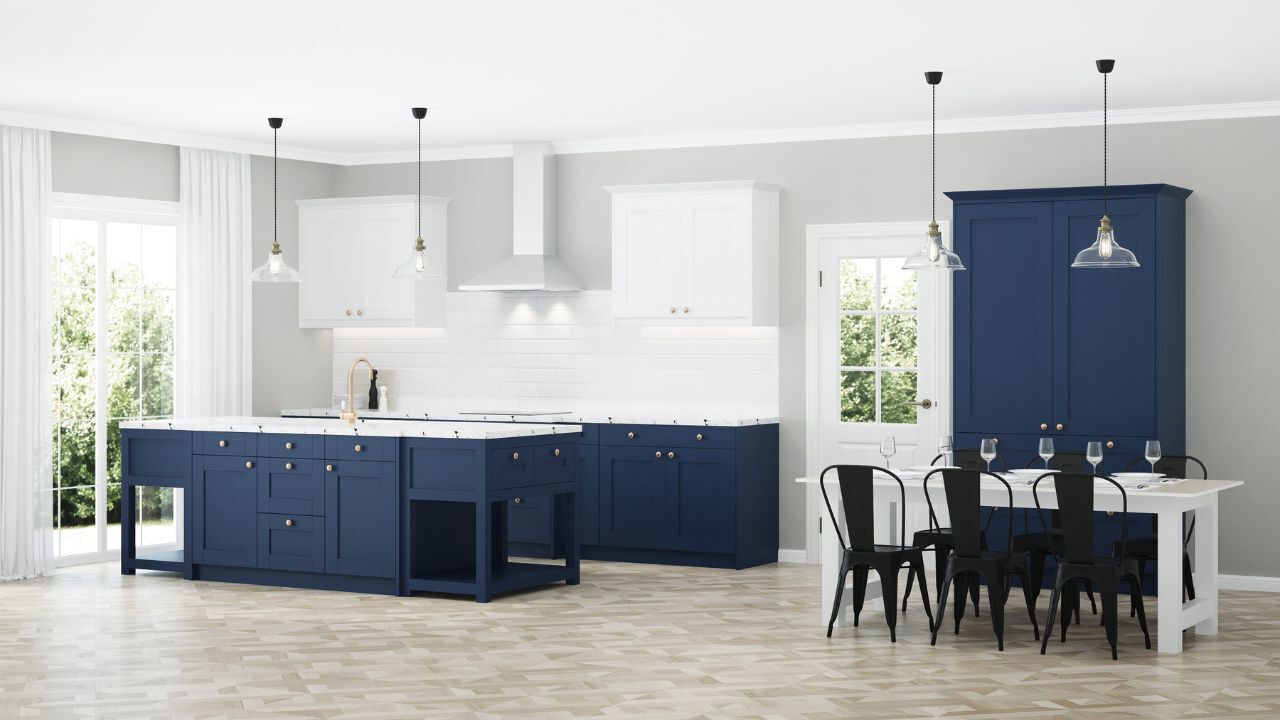 When selling a home, every detail matters—including the colors you choose for walls, decor, and even the front door. Color psychology plays a significant role in how potential buyers perceive a space, influencing their emotions and decision-making. The right color choices can make a home feel warm, inviting, and move-in ready, while the wrong ones can deter buyers. Here’s how color psychology affects home sales and what shades work best to attract buyers.
 When selling your home, even minor repairs can make a big impact on its value and appeal to buyers. Addressing small issues before listing your property can help you stand out in the market and potentially increase your sales price—without needing to spend much. Here are some small but effective repairs that can help you make a lasting impression on buyers.
 Crafting a counter-offer that doesn’t scare away a potential home buyer can be tricky. You want to maximize your sale price while still keeping the deal attractive enough for the buyer to stay engaged. A well-crafted counter-offer strikes a balance between protecting your interests and meeting the buyer’s needs. The key is to approach negotiations strategically, ensuring that your counter doesn’t feel like a rejection but rather a step toward a mutually beneficial agreement. Here are five tips to help you through the process while keeping the buyer interested:
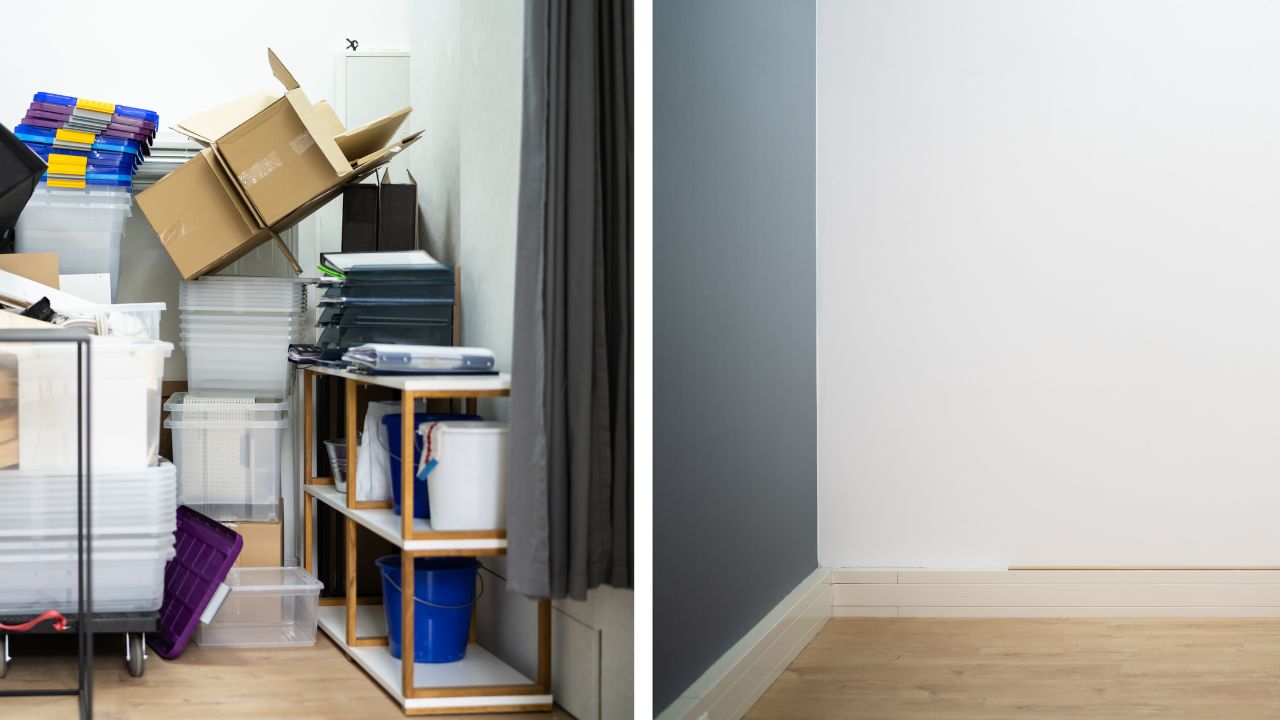 When selling your home, first impressions are everything. A clean, well-organized space allows potential buyers to envision themselves living there and can even increase the perceived value of your property. Cleaning is not just about making your home look good; it’s a strategic move to ensure your home stands out in a competitive market. Here’s how to tackle the cleaning process effectively when preparing your home for sale.
 Selling a home in winter can be just as successful as selling in any other season, with the right strategy. While colder weather may present unique challenges, there are plenty of opportunities to make your home stand out. If you’re ready to list your home during the winter months, follow these valuable tips to increase your chances of success.
 When preparing to sell, many homeowners consider renovations to boost their property’s appeal and value. While updating a home can make it more attractive to buyers, it’s crucial to weigh the potential benefits against the costs. Here’s a look at the pros and cons of renovating before listing to help you make an informed decision.
 When selling your home, even minor repairs can make a big impact on its value and appeal to buyers. Addressing small issues before listing your property can help you stand out in the market and potentially increase your sales price—without needing to spend much. Here are some small but effective repairs that can help you make a lasting impression on buyers.
 Selling your home is an exciting journey, but receiving a lowball offer can feel like a setback. While it might be tempting to reject such offers outright, handling them with patience and strategy can often lead to a better outcome. Here’s how to effectively manage lowball offers on your home.
 When it comes to selling a house, homeowners have different options available to them. One approach that some sellers consider is selling their house “as-is.” This means selling the property in its current condition without making any repairs or renovations.